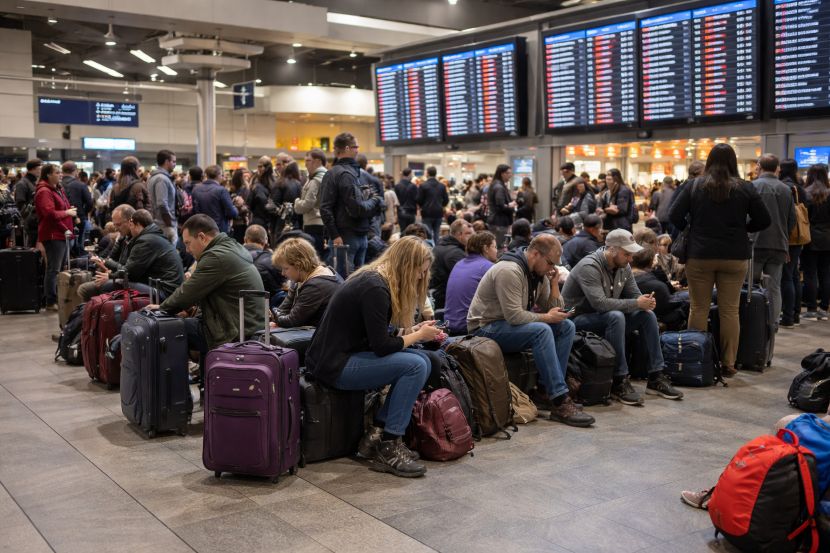
Massive Flight Disruptions Strand Calgary Airport Travelers Nationwide
A day of significant air travel turmoil unfolded at Calgary International Airport (YYC), leaving passengers stranded and plans in tatters. A cascade of operational issues led to a staggering 165 flight delays and 12 cancellations, primarily impacting Canada’s two largest carriers, WestJet, its regional partner WestJet Encore, and Air Canada. The widespread disruptions created a domino effect, severely hampering travel to and from major hubs like Toronto, Vancouver, and Montreal, and underscoring the fragility of domestic air networks during peak travel periods.
A Perfect Storm of Delays and Cancellations Grips YYC
Travelers arriving at Calgary International Airport on this fateful day were met with a scene of growing frustration. Departure boards flashed a sea of red “Delayed” and “Cancelled” notifications as the scale of the disruption became apparent. The issues were not isolated to a single airline but formed a system-wide challenge, with both WestJet and Air Canada bearing the brunt.
The disruptions created a logistical nightmare, with ripple effects felt across the country. Key routes connecting Calgary to Canada’s most populous cities were among the hardest hit:
The concentration of problems at a major western hub like Calgary meant that the impact was truly nationwide, disrupting travel plans for thousands.
Unpacking the Causes: What Grounded Canada’s Skies?
While airport authorities and airlines were quick to acknowledge the situation, pinpointing a single cause proved complex. Industry analysts and statements from the involved parties suggest a confluence of factors created a “perfect storm” that overwhelmed operations.
Severe Weather and Air Traffic Constraints
In the days leading up to the major disruption, adverse weather in other parts of Canada and the northern United States played a significant role. Thunderstorms, high winds, and low visibility in key airspaces led to air traffic management (ATM) flow restrictions. These restrictions, designed for safety, create a bottleneck effect. When aircraft and crews are out of position due to earlier weather delays, the entire schedule becomes vulnerable to collapse from any subsequent issue.
Resource Strain and Operational Pressures
The post-pandemic travel surge has placed immense pressure on airline resources. Like the global industry, Canadian carriers have faced challenges in rebuilding staffing levels to match demand. On a day with multiple disruptions, these strains are magnified. A shortage of available flight crews, gate agents, or ground operations staff can slow recovery efforts to a crawl. Furthermore, aircraft scheduled for tight “turnarounds” between flights have little buffer for delay, meaning one late arrival can disrupt several subsequent departures.
Aircraft Availability and Technical Issues
While not cited as the primary cause in this event, unscheduled maintenance or technical faults with aircraft can immediately take a plane out of service. With fleets operating at high utilization rates, a spare aircraft may not be readily available in Calgary to cover a cancellation, leading to prolonged wait times for the next available flight, which could be hours or even days later.
Passenger Plight: Stranded, Stressed, and Seeking Solutions
For the travelers caught in the chaos, the day shifted from routine travel to a stressful test of patience. Social media filled with accounts of passengers sleeping on terminal floors, facing hours-long lines at service counters, and receiving limited communication about their options.
Passengers on canceled flights found themselves scrambling. With many routes operating at near capacity, rebooking on the next available flight was not always possible, leading to multi-day waits for some. The situation highlighted the critical importance of understanding passenger rights. Under the Air Passenger Protection Regulations (APPR), travelers are entitled to certain standards of treatment and compensation for disruptions within an airline’s control.
Navigating the Fallout: Advice for Affected Travelers
If you find yourself caught in a similar widespread disruption, proactive steps can help mitigate the stress and protect your rights.
Immediate Actions at the Airport
Do not leave the secure zone until you have a confirmed plan. First, check the airline’s mobile app for automated rebooking options and updates, as these can be faster than the customer service queue. If you must join a line, do so immediately. Simultaneously, call the airline’s customer service line; you may get through on the phone before reaching the front of the physical line. Be polite but firm with agents, as they are dealing with hundreds of similarly frustrated passengers.
Understanding Your Rights and Next Steps
Document everything. Keep all boarding passes, take screenshots of departure boards showing your flight status, and note the names of any airline representatives you speak with. If expenses are incurred for meals or hotels due to an overnight delay, keep all receipts for later reimbursement claims. Familiarize yourself with the APPR guidelines on the Canadian Transportation Agency’s website to understand what you are legally entitled to.
Planning for Future Resilience
This event serves as a stark reminder for all travelers to build resilience into their plans. When booking, especially for critical trips, consider the following:
Looking Ahead: Building a More Resilient Air System
The large-scale disruption at Calgary International Airport is more than an isolated bad day; it is a symptom of a system under stress. For the industry and regulators, it raises pressing questions about capacity, consumer protection, and communication. Airlines must continue to invest in robust operational planning and staffing. Air traffic management systems require modernization to handle increasing volume efficiently. Most importantly, transparent and timely communication with passengers during crises is not a courtesy—it is a necessity.
For now, travelers are advised to remain vigilant, know their rights, and plan with the understanding that while modern air travel is remarkably safe and efficient, its complexity makes it susceptible to cascading failures that can leave thousands, as seen in Calgary, waiting for the skies to clear.