
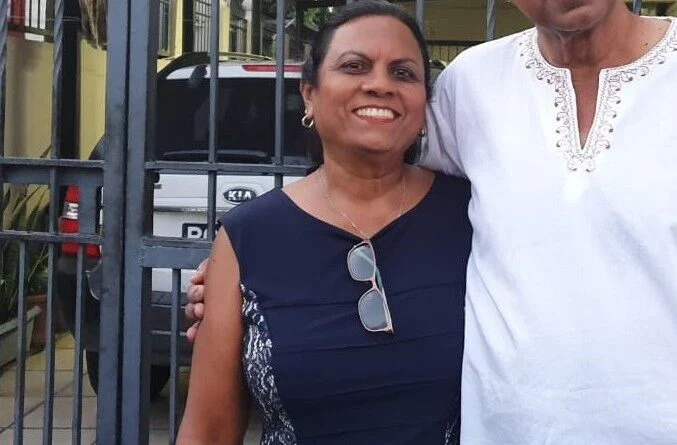
Daring Sea Rescue Saves Kidnapped Trinidadian Woman in Hours
In a heart-stopping operation that played out on the open waters between Trinidad and Venezuela, a Trinidadian woman was dramatically rescued just hours after being kidnapped from her home. The swift, coordinated response by regional security forces turned a potential tragedy into a testament to international cooperation and rapid intervention.
A Terrifying Ordeal Begins on Shore
The nightmare began not at sea, but on land. According to initial reports, the victim was forcibly taken from her residence in Trinidad. Her abductors, aiming to flee jurisdictional reach, quickly transferred her to a waiting vessel and set a course for Venezuelan waters. This tactic is often employed by criminal gangs seeking to exploit the challenges of maritime law enforcement and cross-border coordination.
The woman’s family, acting with commendable speed, alerted the Trinidad and Tobago Police Service (TTPS) immediately. Recognizing the critical time-sensitivity of a maritime kidnapping, the TTPS did not hesitate to escalate the matter beyond national borders.
The Clock Ticks: Launching a Cross-Border Response
Time is the ultimate enemy in kidnapping cases. With every passing minute, the trail grows colder and the risks to the victim escalate exponentially. Understanding this, Trinidadian authorities immediately activated established security protocols with their Venezuelan counterparts.
This crucial step involved:
- Sharing real-time intelligence on the suspected vessel’s description and likely route.
- Formally requesting assistance from the Bolivarian National Armed Forces of Venezuela.
- Coordinating a joint search grid across the maritime border region.
The seamless communication between the two nations’ forces was the foundational element that made the subsequent rescue possible. It underscored a shared commitment to combating transnational crime, regardless of diplomatic complexities on land.
The Daring Rescue Operation on the High Seas
Acting on the intelligence provided, Venezuelan naval and air units scrambled to locate the fleeing vessel. In a remarkable display of efficiency, they successfully intercepted the boat in Venezuelan territorial waters. The details of the interception remain largely operational, but such maneuvers typically involve a show of force, a demand to heave to, and the safe boarding of the suspect vessel by armed personnel.
The kidnappers, confronted by a coordinated military response, were reportedly apprehended without a violent struggle. Most importantly, the kidnapped Trinidadian woman was found physically unharmed. The entire ordeal, from her abduction on land to her liberation at sea, lasted only a matter of hours—a critical factor in her well-being.
After the Rescue: Recovery and Ongoing Investigations
Following her rescue, the woman received immediate medical and psychological attention from Venezuelan authorities as a standard precaution. She was then safely repatriated to Trinidad, where she was reunited with her relieved family. The TTPS has since launched a full investigation into the kidnapping’s motives, which are suspected to be linked to ransom or other criminal enterprises.
The Venezuelan government, for its part, has custody of the alleged kidnappers and will likely pursue legal proceedings against them under Venezuelan law. The success of this operation is expected to lead to further intelligence sharing, potentially unraveling wider kidnapping or trafficking networks operating in the Gulf of Paria.
Analysis: Why This Rescue Was a Success
This incident stands in stark contrast to many kidnapping cases that end tragically or remain unresolved for weeks. Several key factors converged to enable this positive outcome:
1. The Speed of the Initial Report:
The family’s immediate action in contacting police gave authorities the best possible head start. There was no dangerous delay.
2. Pre-Existing Cross-Border Protocols:
The TTPS and Venezuelan forces did not have to build a relationship from scratch during the crisis. Existing, albeit often low-profile, security channels were in place and ready to be activated.
3. The Maritime Environment:
While kidnappers use the sea to hide, it also works against them. A vessel is far more visible to aerial and naval surveillance than a car on a network of roads. Once a general location is known, it becomes a contained search area.
4. Lack of a Prolonged Ransom Negotiation Phase:
The rapid military response likely occurred before the kidnappers could even establish firm communication for ransom demands, disrupting their plan entirely.
A Stark Reminder of Regional Security Challenges
While this story has a happy ending, it casts a bright light on the persistent security challenges in the Caribbean region, particularly its maritime spaces. The Gulf of Paria, a narrow stretch of water between Trinidad and Venezuela, is a known conduit for various illicit activities, including:
- Human Trafficking and Smuggling
- Drug Trafficking
- Illegal Arms Trade
- Kidnapping for Ransom
This incident proves that criminal elements are bold enough to kidnap individuals from their homes with the intent of spiriting them across international borders. It highlights the necessity for citizens to remain vigilant and for regional security partnerships to be strengthened continuously.
Looking Forward: Implications for Regional Security
The successful rescue is more than just a single good news story; it serves as a powerful case study for regional security cooperation. It demonstrates that even with limited resources, effective communication and swift joint action can produce decisive results. This operation will likely be cited in future discussions to:
- Advocate for increased funding and resources for maritime patrol assets.
- Encourage more frequent joint training exercises between Caribbean and Latin American coast guards and navies.
- Strengthen real-time intelligence-sharing frameworks across the region.
For the people of Trinidad and Tobago and the wider Caribbean, it is a reassuring sign that cross-border criminality can be countered effectively. It sends a clear message to would-be kidnappers that the maritime domain is not a lawless space and that regional forces are capable of rapid, collaborative action.
The courageous woman at the center of this ordeal can now begin her journey of recovery, supported by the knowledge that multiple nations worked in unison to bring her to safety. Her story is ultimately one of resilience, timely action, and the undeniable power of international cooperation in the face of crime.

