
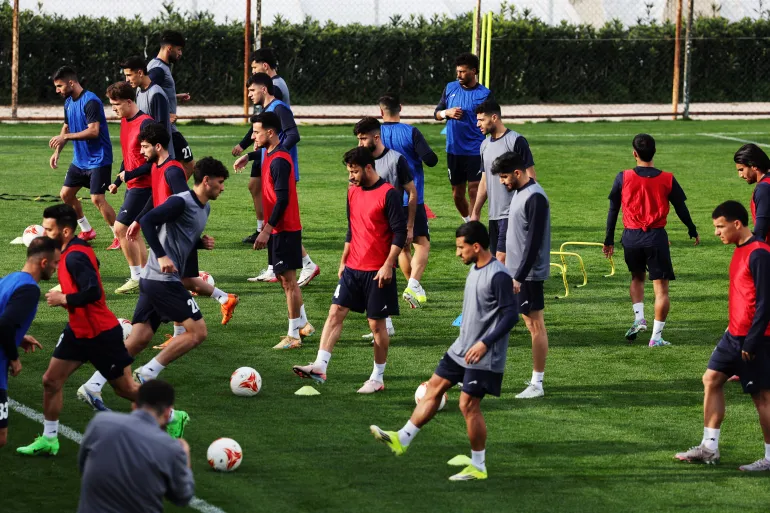
Iran Bans National Sports Teams From Competing in Hostile Nations
In a move that intertwines geopolitics with global athletics, Iranian authorities have issued a sweeping ban prohibiting the country’s national sports teams from traveling to nations it deems “hostile.” This directive, confirmed by the Iranian Ministry of Sports, effectively sidelines Iranian athletes from international competitions hosted by countries like Israel and the United States, raising profound questions about the future of sports diplomacy and the autonomy of athletes caught in the crossfire of international tensions.
The Decree: Sports as an Extension of Foreign Policy
The announcement was made by Iran’s Deputy Minister of Sports, Maryam Kazemipour, who stated that the policy is a direct response to the actions of “hostile countries.” While not naming every nation on the list, it is widely understood to include Israel, a long-standing adversary, and the United States, with whom relations have been severely strained for decades.
The core of the policy is clear: Iranian national teams will not be permitted to participate in any qualifying events, world championships, or friendly matches held within the borders of these designated states. This decision is not a recommendation but a mandatory decree from the highest levels of the Iranian government, reflecting a hardening stance where sports are leveraged as an instrument of state policy rather than a neutral arena for cultural exchange.
Immediate Impact on Athletes and Competitions
The immediate consequences of this ban are stark and disruptive for Iranian athletes who have trained for years for specific events.
- Olympic Qualifications at Risk: With numerous world championships and qualifying tournaments for the 2024 Paris Olympics and beyond scheduled globally, Iranian teams in sports like wrestling, weightlifting, and volleyball could be forced to forfeit crucial opportunities. Missing these events doesn’t just mean a lost chance at a medal; it can mean an athlete’s Olympic dream ends before it even begins.
- Forced Withdrawals and Sanctions: International sports federations have strict rules regarding participation. Unauthorized withdrawals can lead to fines, loss of funding, or even suspension from future events. Iranian athletes now face the grim reality of choosing between their national directive and their international sporting careers.
- Isolation from Key Competitions: Many premier events in sports like judo, basketball, and swimming are routinely held in the U.S. and Europe. A sustained ban would systematically isolate Iranian sports, diminishing their competitive edge and global standing.
The Broader Context: A History of Political Sports Bans
Iran’s policy, while severe, is not without precedent in the complex history where politics intrudes upon the playing field.
- The Israeli Factor: Iran has maintained a long-standing policy of boycotting competitions against Israeli athletes, often forfeiting matches to avoid any semblance of normalization. This new travel ban extends that principle from individual matchups to entire territories.
- Global Precedents: The world has seen similar actions, such as the international sporting bans against South Africa during the apartheid era or the current restrictions on Russian and Belarusian athletes following the invasion of Ukraine. Iran’s move is a self-imposed version of this isolation.
- Internal Political Calculus: Analysts suggest the ban also serves domestic political purposes. By taking a hardline stance against “hostile” nations, the government reinforces its revolutionary ideology and positions itself as defiant against Western pressure, particularly amid ongoing nuclear negotiations and widespread domestic protests.
Reactions: Outrage, Concern, and Resignation
The reaction from the global sports community and within Iran has been a mixture of frustration and dismay.
International sports federations are now faced with a logistical and ethical dilemma. Do they relocate events to accommodate Iran’s political stance, or do they uphold the principle of sport being open to all, potentially excluding a nation of talented athletes? Many have criticized the move as a punishment inflicted on innocent athletes for political grievances they have no control over.
Within Iran, the response is more muted but no less significant. Coaches and athletes have expressed deep concern and heartbreak anonymously, fearing reprisals for public criticism. Their lifetime of dedication is now subject to the whims of geopolitical strife. Sports journalists and advocates in Iran argue that this decision ultimately harms the very people it claims to protect, robbing them of glory, experience, and the chance to represent their country on the world’s biggest stages.
The Future of Iranian Sports on the World Stage
This travel ban creates an uncertain and challenging path forward for Iranian athletics. Several potential scenarios could unfold:
- Increased Isolation: The most likely outcome is a gradual decline in Iran’s competitiveness. Without access to top-tier competitions, training camps, and exposure in major host countries, athletic performance will inevitably suffer.
- Search for Neutral Ground: There may be increased pressure on international federations to host events deemed critical for qualifications in “neutral” third countries. This places an additional burden on global sports bodies and may not be a sustainable solution for every sport.
- Erosion of Athletic Morale: The psychological impact on a generation of Iranian athletes could be devastating. The fear that any career milestone could be canceled due to its location may deter young talent from pursuing sports at an elite level.
- Potential for Policy Shifts: As with all policies, this ban could be revised or relaxed depending on changes in the international political climate, though such a shift seems unlikely in the near term.
A Sad Day for Sportsmanship
At its heart, the Iranian government’s ban is a stark reminder that the ideal of sports existing as a separate, apolitical world is often just that—an ideal. When governments weaponize athletic participation, it is the athletes who pay the highest price. They become pawns in a larger game, their personal sacrifices and dreams secondary to political messaging.
The world has often looked to sports as a rare bridge between divided nations—a concept known as “ping-pong diplomacy.” Iran’s current trajectory moves in the opposite direction, building walls instead of bridges. As the sporting calendar marches on, the absence of Iranian teams from venues in “hostile” nations will be a silent testament to a conflict that has spilled far beyond the diplomatic arena, leaving some of the nation’s finest ambassadors—its athletes—stranded on the sidelines.

