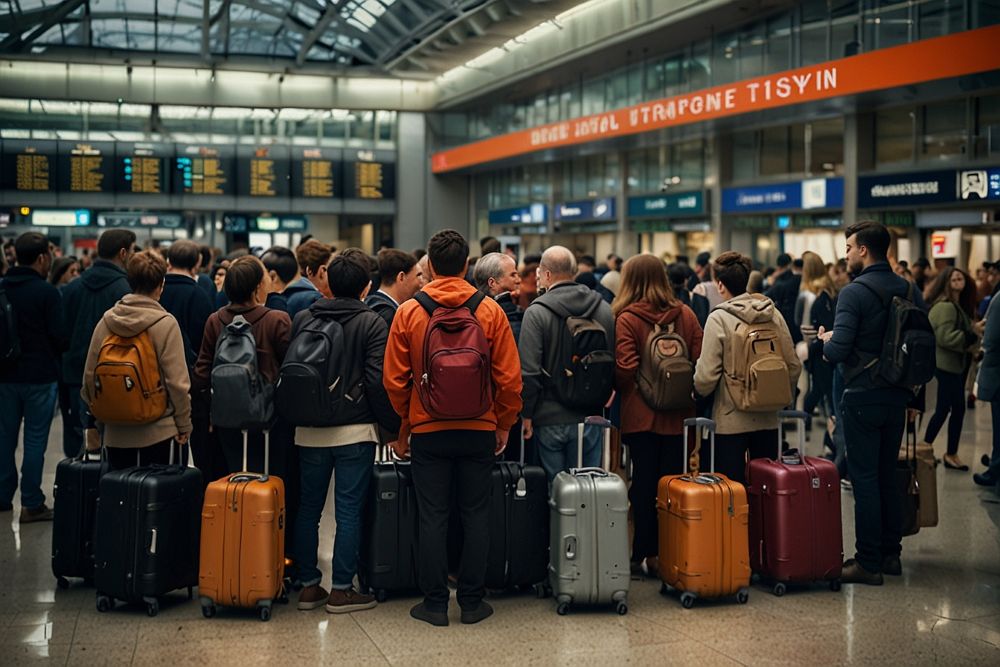
Major Flight Disruptions Hit Vancouver Airport, Stranding Travelers
A wave of significant flight disruptions swept through Vancouver International Airport (YVR) this week, creating a ripple effect of delays and cancellations that left thousands of passengers stranded and travel plans in disarray. The hub, which serves as a critical gateway to Canada’s West Coast and Asia-Pacific region, experienced a cascade of operational challenges that impacted a wide swath of airlines and routes.
Reports from the airport and airline communications confirmed a difficult day for air travel, with over 120 flights delayed and at least 6 cancellations directly attributed to the incident. The disruptions created long lines at check-in counters and customer service desks, as frustrated travelers sought information and rebooking options.
What Caused the Widespread Travel Chaos at YVR?
While the exact, singular cause of the system-wide slowdown is often complex, initial reports and industry patterns point to a confluence of factors that can bring a major airport to a crawl. Unlike a single weather event, these disruptions often stem from internal logistical and resource challenges that strain an airport’s capacity to manage its normal flow of traffic.
Such widespread issues typically involve:
- Aircraft and Crew Availability: A critical shortage of ready aircraft or flight crews in the right place at the right time can instantly cancel flights. This is often due to earlier delays elsewhere in the network, maintenance requirements, or crew scheduling hitting legal duty limits.
- Ground Handling and Service Delays: The intricate dance of baggage loading, refueling, catering, and cabin cleaning is essential for an on-time departure. Bottlenecks with any of these services, often due to staffing shortages, can cause a flight to miss its departure window, creating a domino effect for subsequent flights using the same aircraft.
- Air Traffic Flow Management: While not always publicly detailed, directives from Nav Canada to manage traffic volume into or out of a region can lead to ground stops or lengthy departure delays, backing up operations on the tarmac.
Airlines and Passengers Bear the Brunt of the Disruptions
The impact was not isolated to one carrier but spread across multiple airlines, highlighting the interconnected nature of modern air travel. Key airlines affected included:
- WestJet and WestJet Encore: As one of Canada’s largest carriers with a major operational base at YVR, WestJet and its regional partner, Encore, faced significant schedule interruptions affecting both domestic and transborder routes.
- Jazz Aviation: Operating as the primary regional carrier for Air Canada, Jazz Aviation’s extensive network of shorter-haul flights was disrupted, impacting connectivity to smaller communities across British Columbia and beyond.
- Pacific Coastal Airlines: This regional airline, vital for transportation to many coastal and interior communities in BC, experienced cancellations and delays, stranding passengers reliant on these essential air links.
For passengers, the day translated into missed connections, vacations starting on a stressful note, business meetings postponed, and anxious hours spent waiting for updates. Social media quickly filled with accounts of crowded terminals and growing frustration.
Navigating Airline Disruptions: A Traveler’s Guide to Rights and Rebooking
When faced with a cancellation or lengthy delay, knowing your rights and the most effective course of action can make a stressful situation more manageable. Canada has regulations that protect air passengers, and being informed is your first line of defense.
Understanding Your Passenger Rights in Canada
The Air Passenger Protection Regulations (APPR) outline what airlines must do for travelers in situations within their control. Key entitlements include:
- Communication and Care: Airlines must promptly provide clear reasons for a disruption and update passengers every 30 minutes. For delays of two hours or more, they must provide food, drink, and access to communication. For overnight delays, hotel accommodation and transportation must be offered.
- Rebooking and Refunds: If a flight is cancelled or delayed by three hours or more, the airline must rebook you on their next available flight or that of a partner airline at no extra cost. If this does not work for you, or if the disruption is within the airline’s control and they cannot rebook you within 48 hours, you are entitled to a full refund to your original form of payment.
- Compensation for Delays and Cancellations: For large disruptions within the airline’s control (not related to safety), compensation ranging from $125 to $1000 may be owed, depending on the length of delay and the size of the aircraft.
Proactive Steps to Take During an Airport Disruption
While regulations provide a framework, your actions can significantly influence the outcome. Here’s what to do:
- Document Everything: Keep all your boarding passes, receipts for expenses, and take notes of times, announcements, and the names of airline staff you speak with. Photos of information boards can be useful.
- Use Multiple Channels for Rebooking: While you wait in the customer service line, simultaneously try to rebook via the airline’s mobile app, website, or by calling their reservation line. The first to find available seats often gets them.
- Know Your Travel Insurance Policy: If you have travel insurance, review your coverage immediately for trip interruption benefits, which may cover additional hotel, meal, and transportation costs beyond what the airline provides.
- Submit Formal Claims for Compensation: If you believe you are owed compensation under the APPR, submit a formal claim directly to the airline first. If unresolved, you can escalate your case to the Canadian Transportation Agency (CTA).
The Bigger Picture: Resilience in Modern Air Travel
Incidents like the one at Vancouver International Airport are a stark reminder of the fragility of the global aviation ecosystem. While weather and security are well-known disruptors, the system remains highly vulnerable to internal resource pressures and tight scheduling margins. The post-pandemic travel surge has strained airline and airport workforces, making operations more susceptible to cascading failures from even minor initial problems.
For airports like YVR, investing in operational resilience—through staffing, technology, and infrastructure—is paramount. For airlines, building more buffer into schedules and improving transparent communication with passengers are critical steps. For travelers, the key takeaways are to purchase travel insurance wisely, allow for ample connection times, and most importantly, be armed with knowledge of your passenger rights.
As the industry continues to rebuild and adapt, the goal remains to ensure that disruptions are the exception, not the norm, allowing the world to stay connected reliably and efficiently. Until then, the informed traveler is the empowered traveler, ready to navigate the unexpected twists and turns of modern journeys.