
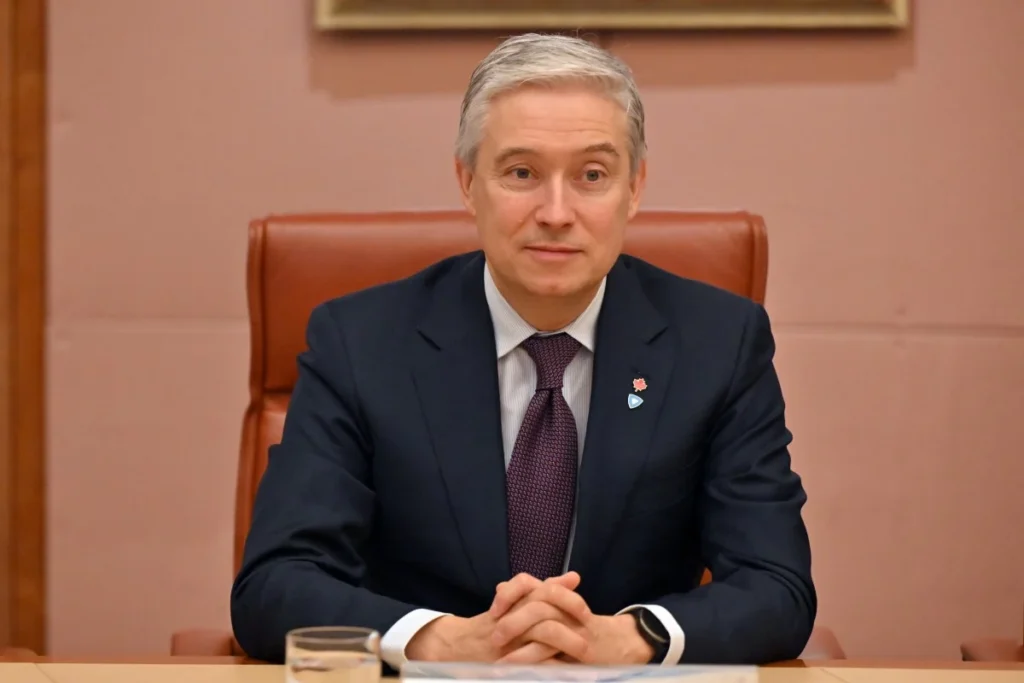
Canada’s Finance Minister Seeks Stronger Trade Ties with China
In a world of escalating economic uncertainty, Canada is making a strategic move to fortify its international relationships. Finance Minister Chrystia Freeland is embarking on a significant visit to China, a mission underscored by the looming shadow of potential trade disruptions from the United States. This high-stakes diplomatic effort is not just about fostering goodwill; it’s a calculated step to diversify Canada’s economic partnerships and safeguard its prosperity against external shocks.
The timing of this visit is particularly critical. With the possibility of a second Trump administration and the threat of sweeping new tariffs on global trade, Canada is proactively seeking to ensure its economic resilience. Minister Freeland’s trip signals a clear intent: to deepen engagement with the world’s second-largest economy and explore avenues for growth that are less susceptible to volatility from its southern neighbor.
The Geopolitical Backdrop: Navigating a Shifting Global Order
Minister Freeland’s journey to China occurs at a complex juncture in international relations. The global economic landscape is fragmenting, with nations increasingly prioritizing “friend-shoring” and economic security over pure globalization. For Canada, a nation deeply integrated into North American supply chains, this presents both a challenge and an opportunity.
The primary catalyst for this diplomatic push is the uncertain trade future with the United States. Former President Donald Trump has floated proposals for a blanket 10% tariff on all imports and tariffs exceeding 60% on Chinese goods. Given the deeply interconnected nature of North American manufacturing, such measures would have severe ripple effects, potentially costing the Canadian economy billions and threatening countless jobs.
Canada’s Dual Objectives: De-risking and Diversification
This visit is guided by two interconnected strategic goals:
- De-risking from U.S. Volatility: By strengthening ties with other major economies, Canada aims to reduce its overwhelming reliance on the U.S. market, which currently accounts for about three-quarters of all exports.
- Diversifying Trade Pathways: Expanding and modernizing the trade relationship with China opens new doors for Canadian exporters, particularly in sectors like agriculture, clean technology, and natural resources.
The mission is not about choosing one partner over another but about building a more balanced and robust trade portfolio. It’s an exercise in pragmatic economics, ensuring Canada has multiple avenues for commerce in an unpredictable world.
Key Discussion Points: What’s on the Table in China
Minister Freeland’s agenda in China is expected to be wide-ranging, focusing on mutual interests and areas of potential growth. Key topics will likely include:
- Stability in Critical Mineral Supply Chains: Canada is a key global supplier of minerals essential for electric vehicle batteries and electronics. Cooperation with China, a major processor and manufacturer, is crucial for a stable clean energy transition.
- Agricultural Trade Expansion: There is significant potential to increase exports of Canadian canola, pork, beef, and pulses to meet China’s growing food security needs.
- Addressing Long-Standing Trade Barriers: Discussions will undoubtedly touch on ongoing market access issues, such as the Canadian canola trade dispute and China’s embargo on Canadian meat, seeking lasting and science-based resolutions.
- Climate and Clean Technology Collaboration: Both nations have stated commitments to fighting climate change, creating opportunities for partnership in green tech innovation and sustainable infrastructure.
The Elephant in the Room: Managing Complex Bilateral Relations
This trade-focused visit cannot be entirely separated from the broader, often tense, political relationship between Ottawa and Beijing. Recent years have seen friction over issues of foreign interference, human rights, and the detention of Canadian citizens.
Minister Freeland’s challenge will be to advance economic interests while steadfastly upholding Canada’s core values and national security concerns. The government has been clear that its approach is one of “de-risking, not decoupling.” This means pursuing pragmatic commercial cooperation where interests align, without compromising on fundamental principles or ignoring strategic threats. The success of the visit will be measured by its ability to navigate this delicate balance.
Why This Matters for Canadian Businesses and the Economy
For Canadian entrepreneurs, exporters, and workers, the outcome of this diplomatic mission has tangible implications. A more predictable and diversified trade relationship with China can lead to:
- New Market Opportunities: Access to over 1.4 billion consumers can provide a vital growth channel for businesses looking to scale beyond North America.
- Enhanced Economic Resilience: Reduced dependency on a single market makes the Canadian economy less vulnerable to foreign policy shifts or recessions in any one country.
- Job Creation and Investment: Successful trade expansion supports industries across the country, from farmers in the Prairies to mining operations in the North to tech startups in urban hubs.
In an era defined by supply chain fragility, building multiple strong trade corridors is not just an option—it’s an economic necessity.
The Road Ahead: A Pragmatic Path Forward
Finance Minister Chrystia Freeland’s visit to China is a defining moment in Canada’s trade policy. It reflects a mature understanding that in a competitive and often protectionist global environment, Canada must actively cultivate its economic relationships worldwide.
The mission is a clear signal that Canada will not be a passive bystander to global economic shifts. By engaging directly with China, Canada is asserting its role as a reliable trading nation committed to finding common ground, even within a relationship marked by complexity.
The journey toward a more diversified and secure economic future is a long-term one. This visit is a critical step on that path, demonstrating Canada’s proactive strategy to build prosperity not in spite of global uncertainty, but with a clear-eyed plan to navigate through it. The world is watching to see if these two major economies can forge a pragmatic partnership that delivers stability and growth for both sides.

