A Solemn Journey: Understanding the Risks and Rewards of Thailand’s Tiger Cave Temple Climb
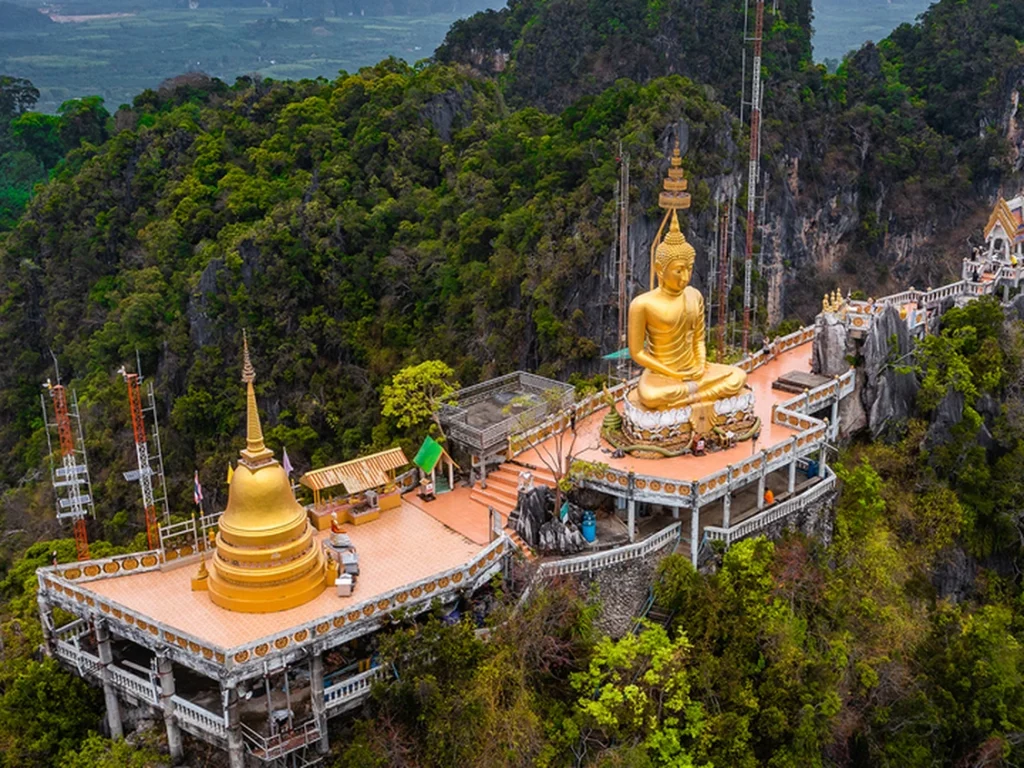
The path to enlightenment is rarely easy, and at Wat Tham Sua, the legendary Tiger Cave Temple in Krabi, Thailand, the spiritual journey is matched by a formidable physical one. The temple’s crown jewel—a punishing ascent of 1,260 steps to a mountain-top chedi—offers breathtaking, soul-stirring vistas. Yet, a recent, heartbreaking event has cast a sobering light on this iconic climb, reminding us that its beauty is intertwined with very real demands. The reported passing of a 57-year-old Canadian man during the ascent is a profound tragedy, underscoring the critical importance of preparation and respect for this extreme pilgrimage.
This incident is not merely a news story; it is a urgent cautionary tale for every traveler drawn to this majestic site. It compels us to look beyond the Instagram photos of golden Buddhas against endless skies and understand the true nature of the challenge that awaits.
The Tiger’s Lair: More Than a Temple, A Test of Will
Nestled in lush jungle near Krabi Town, Wat Tham Sua’s origins are steeped in local legend. It is said a tiger once roamed the caves at its base, giving the complex its name. Today, it is a revered meditation center, but for many visitors, the primary draw is the staircase to the summit.
This is no ordinary stairway. The 1,260 steps are notoriously steep, uneven, and relentless. Handrails offer some support, but the incline is constant, weaving its way through a dense canopy. The combination of the physical exertion and Thailand’s pervasive tropical heat and humidity creates an environment that places extraordinary strain on the cardiovascular system. It is a climb that commands respect—a vertical trek where the journey itself is the central, transformative experience.
A Tragedy That Highlights Universal Risks
While official causes in the recent case are yet to be released, such events often point to a fatal intersection of extreme physical exertion and underlying health conditions. The heart, pushed to its limit in a hot climate, can encounter silent, unforeseen complications. This tragic event is a stark reminder that the climb, while accessible to many, is an extreme activity that does not discriminate based of age or apparent fitness.
It serves as a crucial, global warning: know your limits, understand your body, and never underestimate a challenge based on its popularity. The steps of Tiger Cave Temple have been conquered by thousands, but they demand a mindful, prepared approach from every single individual.
Conquering the Climb: A Comprehensive Safety and Preparation Guide
Honoring the spirit of the temple and ensuring your own safety means preparing with intention. Here is how to approach the Tiger Cave Temple climb with the caution and reverence it deserves.
1. Honest Health and Physical Assessment
This is the non-negotiable first step.
- Consult a Physician: If you have any pre-existing conditions—especially cardiac, respiratory, or hypertension issues—or are over 40, seek medical advice before attempting the climb.
- Listen to Your Body: This is not a race. Dizziness, extreme shortness of breath, chest tightness, nausea, or leg cramps are signals to stop immediately, rest, and consider descending.
- Acclimatize: Spend a few days in the Thai climate before attempting the climb. Avoid going straight from a long flight to the temple steps.
2. Strategic Preparation and Timing
Your success and safety hinge on smart logistics.
- The Early Bird Rule: Start your climb as early as possible, ideally right at sunrise (6:00 AM). This allows you to avoid the peak heat of the day, which typically builds from 10:00 AM onward.
- Hydration is Everything: Carry at least 1-2 liters of water per person. There are no vendors on the staircase. Begin hydrating the day before.
- Fuel Your Body: Eat a light, energy-boosting meal (like fruit or oatmeal) about an hour before you start. Avoid heavy, greasy foods.
- Dress for Success: Wear lightweight, breathable, moisture-wicking clothing. Proper athletic shoes with excellent grip are essential—flip-flops or sandals are dangerously inadequate.
3. The Mindful Ascent: Technique and Pace
Your mindset will determine your experience.
- Slow and Steady Truly Wins: Adopt a plodding, consistent pace. A good rule is to climb at a speed where you can still hold a conversation.
- Embrace the Rest Stops: Use the occasional landings and view points not just for photos, but for genuine recovery. Sit, breathe deeply, and sip water.
- Use the Handrails: They are there for stability and to reduce strain on your legs. Use them generously, especially on the descent.
- The Descent Can Be Harder: Going down puts significant pressure on your knees and requires intense focus to avoid slips. Take it even slower on the return.
Beyond the Steps: Experiencing the Temple’s Full Majesty
While the climb is iconic, the Tiger Cave Temple complex at the base is a profound destination in itself. To have a complete and respectful visit:
Explore the Grounds and Caves
Before or after your climb (depending on your energy), wander the tranquil forest grounds. You’ll find golden Buddha statues, a massive reclining Buddha, and the network of caves that gave the temple its name. These cool, dark caverns are active meditation spaces for monks—observe silence and dress modestly.
Understand the Spiritual Significance
This is a working Buddhist monastery. Dress respectfully: cover your shoulders and knees. Remove your shoes before entering any shrine or cave. Be mindful of your volume and demeanor. The climb is a personal challenge, but the site is a place of worship and quiet contemplation for others.
A Final Reflection: Respecting the Journey
The tragic loss of a fellow traveler at Tiger Cave Temple is a somber reminder that our adventures must be tempered with wisdom. This climb is a metaphor for life’s own arduous paths—demanding, beautiful, and requiring our full presence and preparedness.
Let this story not deter you, but empower you. Empower you to prepare meticulously, to listen to the whispers of your body over the roar of ambition, and to approach this sacred site with the humility it commands. The summit, with its awe-inspiring 360-degree views of Krabi’s limestone karsts and lush jungle, is a reward like no other. Ensure you reach it safely, so that the memory you bring home is one of profound achievement, not preventable regret.
Our deepest condolences remain with the family and friends of the Canadian man. May his experience guide future visitors toward a safer, more conscious pilgrimage, where the journey honors both the majesty of the place and the sanctity of life itself.