
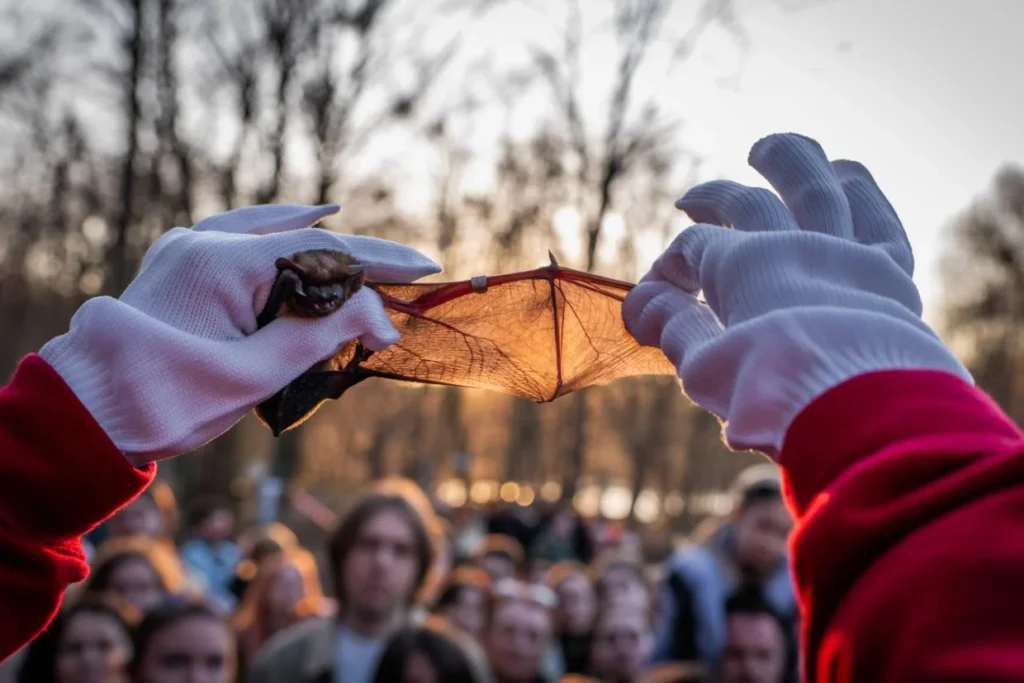
Ukrainian Volunteers Rescue and Release Bats Amidst War’s Hardship
In the shadow of air raid sirens and the thunder of artillery, a quiet, often misunderstood group of creatures is finding an unlikely sanctuary. As Russia’s war in Ukraine grinds on, a dedicated network of volunteers is working tirelessly to rescue, rehabilitate, and release bats displaced and injured by the conflict. Their mission is a poignant testament to the enduring human spirit and a commitment to preserving biodiversity even in the darkest of times.
A Refuge in the Midst of Ruin
The story centers on the Ukrainian Bat Rehabilitation Center (UBRC) in Kharkiv, a city that has faced relentless bombardment since the war began. Led by Anton Vlaschenko and a team of passionate scientists and volunteers, the center has become a critical haven. Originally focused on research and conservation, their work has dramatically pivoted to emergency response.
War creates a perfect storm of threats for bat populations:
- Direct Habitat Destruction: Bombs and shells demolish the attics, bell towers, and forest caves where bats roost and hibernate.
- Structural Damage: Even buildings left standing often have broken windows or holes, exposing bat colonies to deadly cold and disrupting their delicate hibernation cycles.
- Displacement and Starvation: Awoken prematurely and driven from their homes, bats burn through their vital fat reserves and cannot find insects to eat in the winter landscape.
- Human Fear: Startled bats sometimes enter living spaces as they flee destruction, leading to panicked calls for help.
The Delicate Work of Bat Rescue
When a call comes in—often from citizens finding bats in unusual places—the volunteers spring into action. The process is meticulous and requires specialized knowledge.
Step 1: Rescue and Assessment
Volunteers carefully collect the distressed bats, which are often weak, dehydrated, or injured. Each one is examined, identified by species, and its condition is logged. Common patients include the Nathusius’ pipistrelle and the noctule bat.
Step 2: Rehabilitation and Care
The core of the work happens in the center’s makeshift facilities. Volunteers create microclimates to simulate hibernation conditions for those that need to rest. Others require intensive care:
- They are rehydrated with electrolyte solutions, sometimes drop by drop.
- They are fed a special “bug slurry” or mealworms to help them regain strength.
- Injuries, such as torn wing membranes, are treated as possible.
Step 3: The Triumph of Release
The ultimate goal is always to return healthy bats to the wild. When weather conditions are suitable and the bat is strong enough, volunteers take them to safe, wooded areas or known surviving colonies. The moment of release—a small, dark shape fluttering back into the freedom of the night—is a powerful symbol of hope and resilience for the team.
Why Save Bats in a Time of War?
To an outsider, the question might arise: why dedicate such precious resources to bats when human suffering is so vast? For the volunteers, the answers are deeply interconnected with the very meaning of their work.
1. Ecological Necessity: Bats are critical pest controllers, consuming thousands of mosquitoes and agricultural insects nightly. Protecting them is an investment in Ukraine’s future ecosystem health and food security.
2. Scientific Stewardship: Ukraine is home to over 20% of Europe’s bat species. The volunteers are safeguarding decades of research and unique genetic populations that could be lost forever.
3. A Moral Imperative and Mental Salvation: For many volunteers, this work is a form of resistance and a anchor to normalcy. “It is our duty to save what we can,” one volunteer explained. The act of caring for another living being provides a crucial psychological respite from the horrors of war, a reminder of life’s fragility and value.
Facing Challenges on All Fronts
The work is fraught with difficulty. Beyond the obvious danger of working in a warzone, the center faces:
- Resource Scarcity: Funding is ad-hoc, relying on international donations. Electricity and heat are unreliable, threatening the climate-controlled environments the bats need.
- Logistical Nightmares: Travel to rescue sites is dangerous and often hampered by curfews and checkpoints.
- Emotional Toll: The team must balance this compassionate work with their own survival, frequently taking shelter from shelling alongside their tiny patients.
A Symbol of Unbroken Spirit
The story of Ukraine’s bat rescuers is more than a wildlife conservation tale. It is a profound narrative about the choice to protect life in the face of death. In tending to these vulnerable creatures, the volunteers are affirming a fundamental value: that compassion and a commitment to the future do not end when war begins.
Their work sends a ripple of hope across the global conservation community and stands as a powerful metaphor. Like the bats they save, the Ukrainian people have been forced from their homes, faced incredible hardship, and yet continue to fight for survival and the promise of eventual return to peace.
As one volunteer gently held a recovering bat, its wings slowly stretching, she reflected a sentiment felt by many: “We save them, and in a way, they save us. They remind us what we are fighting for—a normal life, a healthy land, a future.” In the darkened skies of Ukraine, each small, released bat is a silent, fluttering testament to the resilience of all life, and the unwavering light of human kindness that persists against the darkness.

