Canada’s eSports Boom: Skill-Based Gaming Takes Center Stage
For decades, gaming was often dismissed as a casual hobby. Today, that perception has been utterly shattered, especially in Canada. The country is now a global powerhouse in the world of competitive video gaming, or eSports, and a hotbed for the development of skill-based games. This isn’t just about playing for fun; it’s about high-stakes competition, professional careers, and a multi-million dollar industry growing from coast to coast.
From university scholarships to sold-out arenas and groundbreaking game studios, Canada’s digital landscape is being reshaped by the relentless rise of competitive gaming. This article explores how Canada ascended to the top tiers of eSports and why skill-based competition is at the heart of this revolution.
From Basements to Big Leagues: The Meteoric Rise of Canadian eSports
Canada’s eSports journey mirrors the global explosion of the industry but is marked by distinct homegrown talent and institutional support. The transformation has been rapid and profound.
A Nation of Champions and Pioneers
Canadian players are not just participants; they are often champions. Names like Lily “Pokimane” Ighmios (a streaming superstar), Artour “Arteezy” Babaev (Dota 2 phenom), and the entire Toronto Ultra (Call of Duty League champions) have become household names in gaming circles. Their success has inspired a generation, proving that a career in gaming is a viable and prestigious path. Beyond players, Canada is home to influential organizations like OverActive Media, which operates major league teams in Toronto and Madrid, showcasing Canadian business acumen on the world stage.
The Infrastructure of Excellence
The growth isn’t organic luck; it’s built on a developing infrastructure:
- Academic Recognition: Universities like the University of Toronto, University of British Columbia, and McGill now offer eSports scholarships, varsity teams, and dedicated arenas, legitimizing gaming as a discipline that requires strategy, teamwork, and immense skill.
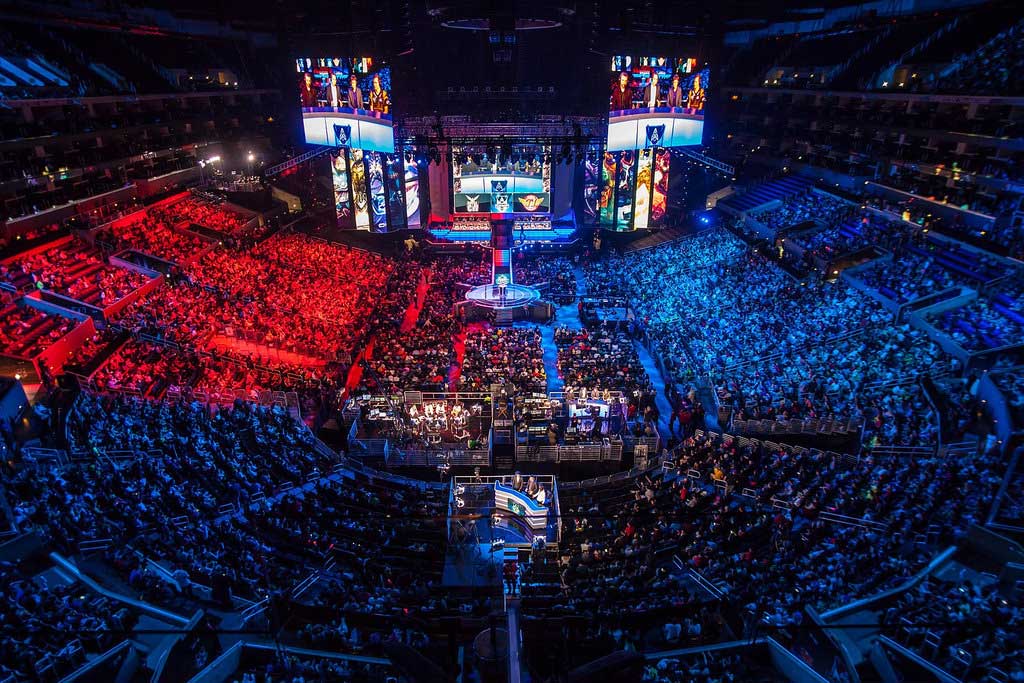
- Professional Leagues & Arenes: The establishment of franchise-based leagues like the Overwatch League (with the Toronto Defiant) and Call of Duty League (with the Toronto Ultra) created a stable, professional ecosystem. Venues such as the Mattamy Athletic Centre in Toronto have hosted massive international tournaments.
- Government and Corporate Backing: Recognizing the economic and cultural potential, various provincial governments and major Canadian brands have begun investing in and sponsoring teams and events, fueling further growth.
The Heart of the Boom: Why Skill-Based Games Dominate
At the core of eSports’ legitimacy is its foundation in skill-based competition. Unlike games of pure chance, eSports titles demand qualities that resonate with traditional sports values and attract a competitive audience.
Defining the Skill Spectrum
Skill-based games are those where the outcome is determined primarily by a player’s abilities. These include:
- Lightning-Fast Reflexes and Precision: Games like Counter-Strike: Global Offensive or Valorant demand millisecond reactions and pixel-perfect aim.
- Deep Strategic Thinking and Resource Management: Titles like League of Legends or Dota 2 are compared to digital chess, requiring complex planning, team coordination, and in-game economic strategy.
- Adaptability and Problem-Solving: Battle royale games like Fortnite (developed by Epic Games, with a major studio in Canada) force players to adapt to ever-changing scenarios with limited resources.
This emphasis on measurable skill is what allows for fair competition, the development of professional training regimens, and the kind of dramatic, merit-based storytelling that fans crave.
The Cultural Shift: Gaming as a Craft
This focus has changed how we view gaming. Players are seen as athletes and craftspeople, dedicating thousands of hours to hone their skills. Streaming platforms like Twitch and YouTube have demystified this process, allowing fans to watch practice, learn tactics, and connect directly with pros. This transparency reinforces the skill narrative—you can see the talent and work ethic required to be the best.
Economic Impact and Career Creation Across Canada
The eSports boom is a significant economic driver, creating a diverse array of careers far beyond just being a pro player.
- Content Creation & Streaming: A massive industry of commentators (“casters”), analysts, video editors, and entertainers has emerged.
- Event Production & Marketing: Hosting a major tournament requires event managers, broadcast technicians, marketing specialists, and logistics coordinators.
- Game Development & Support: Canadian studios like Ubisoft Montreal, EA Vancouver, and Behaviour Interactive are not only creating the games but also employing community managers, balance designers, and anti-cheat experts to maintain competitive integrity.
- Coaching, Management, and Health: Professional teams now employ coaches, sports psychologists, physiotherapists, and nutritionists to optimize player performance.
This ecosystem turns passion into paychecks and contributes substantially to local and national tech and creative economies.
Challenges and the Road Ahead for Canadian eSports
Despite the phenomenal growth, the industry faces hurdles on its path to maturity.
Navigating the Landscape
- Sustainability & Monetization: While top leagues are well-funded, ensuring profitable and sustainable models for smaller teams and events remains a challenge.
- Inclusivity and Community Health: Addressing toxicity within online spaces and improving diversity and inclusion at all levels is crucial for long-term health.
- Player Welfare: The industry is still developing robust standards for player contracts, mental health support, and career transition programs after competitive play ends.
- Regulation and Integrity: As with any major sport, establishing clear frameworks around governance, gambling, and anti-doping is an ongoing process.
The Future is in Play
Canada’s position in the global eSports arena is now firmly established. The convergence of world-class talent, institutional support, and a thriving game development sector has created a perfect storm for success. The emphasis on skill-based gaming has been the key ingredient, providing the legitimacy and compelling competition that fuels fandom.
As technology advances with virtual reality, cloud gaming, and more immersive experiences, Canada is poised to not just participate but lead. The journey from basement hobby to center stage is complete. The next chapter is about consolidating that legacy, building a more inclusive and sustainable industry, and continuing to prove that in the digital age, Canada is a nation of elite competitors. The arena lights are on, and Canada is ready to play.