Meghan Markle Named Canada’s Most Disappointing Celebrity in New Survey
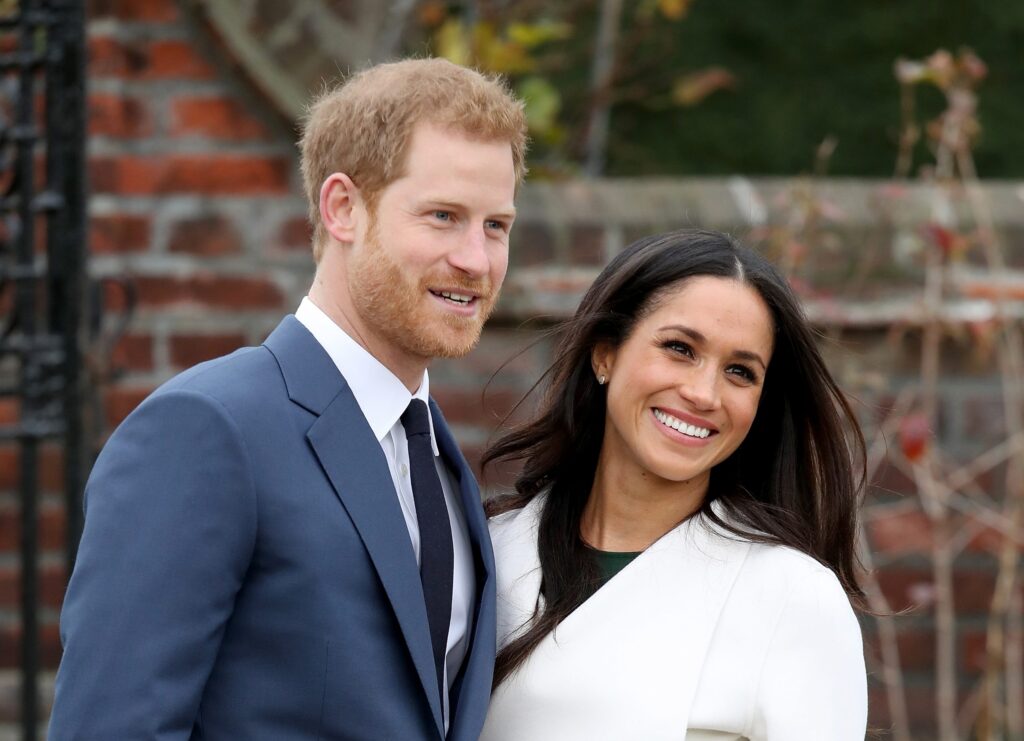
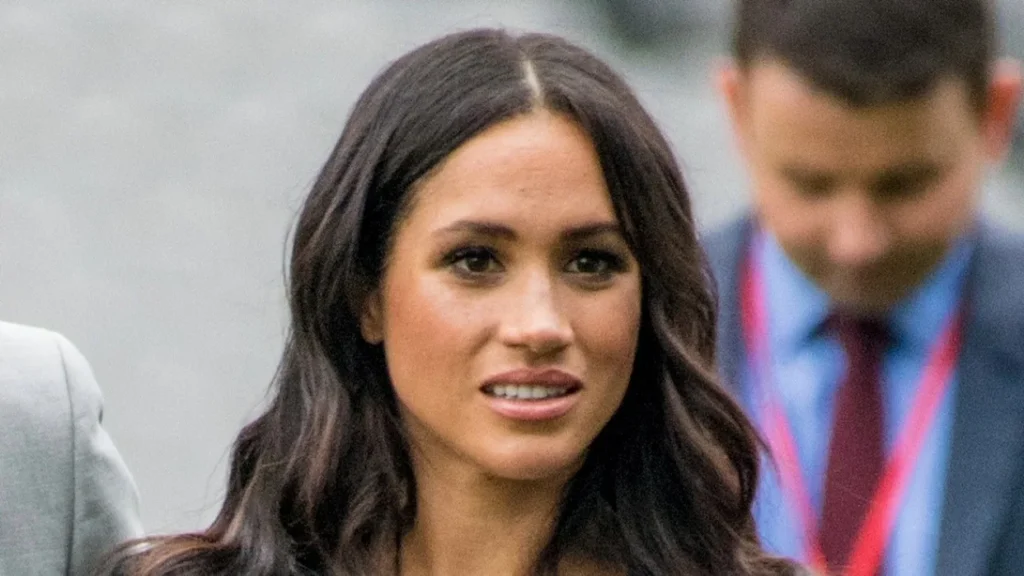
In a surprising turn of public opinion, a recent national survey has revealed that Meghan, The Duchess of Sussex, has topped a list of Canada’s most disappointing celebrities. The poll, which gauged the sentiments of Canadians, places the former actress and royal at the forefront of a conversation about fame, expectation, and public perception. This designation marks a significant shift for a figure who once seemed to embody a modern fairy tale and who chose Canada as a temporary home during a pivotal transition in her life.
The Survey That Sparked the Conversation
The data comes from a comprehensive study conducted by Research.co., which asked 1,000 Canadian adults which celebrity has let them down the most. The results were clear, with Meghan Markle securing the number one position. Following her on the list were other high-profile names, including:
- Justin Bieber
- J.K. Rowling
- Ellen DeGeneres
- Kanye West
This ranking places the Duchess in a unique category, distinct from controversies stemming from legal issues or public scandals. Instead, the disappointment appears to be rooted in a more complex narrative surrounding her departure from royal duties and her subsequent commercial and media ventures.
From Royal Darling to Polarizing Figure: Tracing the Shift
To understand this result, one must look at Meghan Markle’s journey in the public eye. Her entry into the British Royal Family was initially met with widespread optimism and praise, hailed as a breath of fresh air that symbolized diversity and change within a centuries-old institution. Canada, in particular, showed her immense warmth when she and Prince Harry resided on Vancouver Island during their step back from royal life.
However, the subsequent years have seen a dramatic recalibration of her public image. The couple’s landmark interview with Oprah Winfrey, their multi-million dollar deals with Netflix and Spotify, and their continued public commentary on royal life have been met with a mixed reception. For a segment of the Canadian public, the initial hope for a dignified, low-profile transition seems to have given way to a perception of a celebrity couple capitalizing on their royal ties.
Why Canada? Contextualizing the Disappointment
The Canadian context is crucial to this story. Canada is a Commonwealth nation with deep historical ties to the British monarchy. It is also a country that values a certain understated modesty—a cultural trait often summarized as “Canadian politeness.” Furthermore, Canadians provided the couple with security and privacy during a vulnerable time, which may have fostered an expectation of reciprocal discretion.
The core of the disappointment, as interpreted from the survey and surrounding commentary, appears to hinge on three key perceptions:
- The Commercialization of Status: A move from perceived public service to high-value commercial ventures has clashed with traditional expectations of post-royal life.
- A Narrative of Grievance: While advocating for mental health and personal truth, the consistent focus on past struggles has, for some, overshadowed new philanthropic or creative chapters.
- Contrast with Initial Promise: The modern, progressive figure that many welcomed now seems, to critics, entangled in the very celebrity culture and media cycles she sought to escape.
The Other Names on the List: A Broader Trend
While Meghan’s position is the headline, the other celebrities on the list reflect broader societal reckonings. Justin Bieber’s inclusion speaks to the weariness with erratic behavior from a homegrown star. J.K. Rowling’s presence is directly tied to her polarizing comments on gender identity. Ellen DeGeneres fell from grace following allegations of a toxic workplace, and Kanye West’s listing follows a series of antisemitic remarks and erratic public acts.
This suggests that the “disappointment” is not merely about making unpopular choices, but about a profound breach of the public’s trust or a stark deviation from the values a celebrity was once seen to represent.
Public Perception vs. Private Reality: The Unknowable Divide
It is vital to acknowledge the immense gap between public perception and private reality. The survey measures a media-fueled image, not the person. The Duchess’s charitable work with Archewell Foundation, her advocacy for women and girls, and her personal role as a mother are significant aspects of her life that often get lost in the noise of celebrity ranking polls.
Critics of the survey argue that it reflects a media narrative more than a genuine personal failing, and that the criteria for “disappointment” are inherently subjective and often gendered. Supporters of the Duchess see the results as evidence of a successful smear campaign or a public unwilling to accept a woman setting firm boundaries.
The Lasting Impact of Celebrity Rankings
What does it truly mean to be named “most disappointing”? In the digital age, such lists drive engagement, clicks, and conversation. They are a snapshot of a moment in time, heavily influenced by recent news cycles. For Meghan Markle and Prince Harry, whose entire brand is now built outside the traditional structures of the monarchy, public opinion is a direct currency. This ranking in Canada—a country key to their story—is a tangible metric of a challenging public relations landscape.
The ultimate takeaway may be a lesson in the volatility of modern fame. The same public that cheers a disruptor can later condemn them for the disruption they cause. The narrative can shift from “refreshing” to “disappointing” with breathtaking speed, especially when a figure operates in the contested space between private life, public advocacy, and commercial enterprise.
Conclusion: More Than a Clickbait Headline
The news that Meghan Markle tops Canada’s list of most disappointing celebrities is more than a sensational headline. It is a cultural artifact that reveals the complicated relationship between a nation, its values, and the global celebrities it adopts and judges. It underscores how royal narratives are reshaped in a post-institutional world and how the journey of seeking independence and a “life of purpose” can be interpreted in starkly different ways.
Whether this survey represents a lasting sentiment or a passing moment remains to be seen. For the Duchess, it is a clear signal that in the court of public opinion, the work of reshaping her story and defining her legacy outside of royal walls is still very much in progress. The fairy tale has ended, and the much messier, more human story of building a new identity continues—under the watchful and often judgmental eyes of the world.