
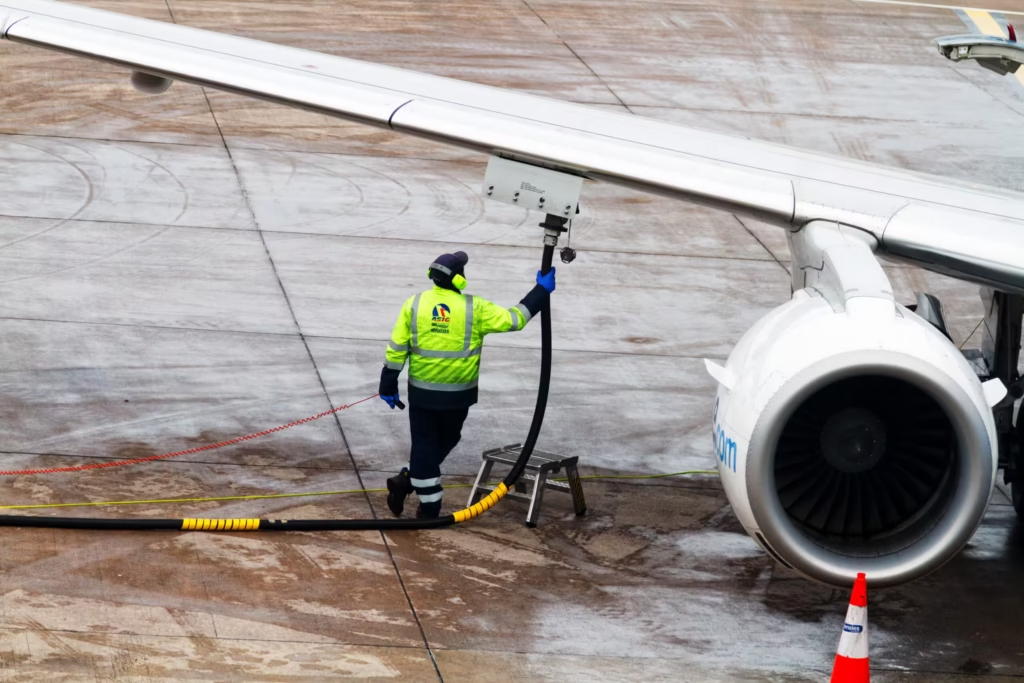
European Jet Fuel Crisis Forces Canadians to Alter Travel Plans
The anticipation of a European summer—strolling along the Seine, savoring pasta in a Roman piazza, or exploring ancient Greek ruins—is a dream for countless Canadians. This year, however, that dream is encountering unexpected headwinds long before travelers ever reach cruising altitude. A significant and growing jet fuel shortage across Europe is sending shockwaves through the airline industry, leading to soaring airfares, route cancellations, and forcing a major rethink for those plotting a transatlantic escape.
What began as industry murmurings has accelerated into a full-blown travel disruption, with major airline hubs and popular tourist destinations feeling the pinch. For Canadian travelers, known for their love of European adventures, this isn’t just a news headline; it’s a direct hit to their vacation plans and wallets, requiring a new level of strategy and flexibility.
Understanding the Fuel Squeeze: Why is This Happening?
To navigate this crisis, it helps to understand its roots. This isn’t a simple case of higher oil prices. Instead, it’s a perfect storm of operational and geopolitical factors constraining the supply of aviation turbine fuel specifically.
Refinery Outages and Maintenance
Europe’s refining capacity has been under pressure. Several key refineries have undergone unplanned outages or scheduled maintenance, significantly reducing the output of jet fuel. These facilities are complex, and bringing them back online is not an instantaneous process, creating a lingering supply gap.
Logistical Bottlenecks and Distribution Issues
Even when fuel is produced, getting it to the right airports is a challenge. Europe relies on a network of pipelines, trucks, and storage facilities. Disruptions in this logistical chain—from labor shortages to infrastructure delays—mean that fuel can’t always reach the airports with the highest demand, like Frankfurt, Amsterdam, and London Heathrow.
Geopolitical Repercussions
The wider energy landscape, reshaped by geopolitical events, plays a role. The shift in global fuel trade flows has increased competition for available supplies, making it harder and more expensive for European airports to secure the volumes they need.
The Direct Impact on Canadian Travelers
The consequences of this fuel shortage translate into very real, tangible problems for anyone looking to book a flight from Toronto, Vancouver, Montreal, or Calgary to Europe.
Skyrocketing Airfare Prices
The most immediate effect is the staggering increase in ticket prices. Basic economics are at play: high demand meets constrained supply. Airlines, facing much higher fuel procurement costs at European airports, are passing these expenses directly to the consumer. You may find that the summer flight you booked last year for $1,200 is now listing for $2,000 or more for the same route and time.
Flight Cancellations and Schedule Reductions
When fueling planes becomes prohibitively expensive or logistically impossible, airlines cancel flights. This isn’t a hypothetical. Carriers are actively trimming their schedules, particularly on thinner routes or to airports where the fuel crisis is most acute. A flight you’re counting on could vanish from the schedule, leaving you scrambling for alternatives.
The Ripple Effect: Longer Layovers and Operational Delays
Airlines are adopting complex strategies to manage the shortage. This can include “tankering”—carrying extra fuel from North America to avoid refueling in Europe—which increases the plane’s weight and can affect operations. More commonly, you might face extended layovers or unusual routing as planes are scheduled to refuel at airports where supply is better, adding hours to your journey.
Your Action Plan: Strategic Travel in a Time of Crisis
While the situation is daunting, it doesn’t mean your European vacation is doomed. It does mean that savvy, flexible planning is no longer a luxury—it’s a necessity. Here is your strategic action plan to navigate the jet fuel crisis.
1. Make Flexibility Your Greatest Asset
If there was ever a time to be flexible, it’s now.
- Play with Dates: Use fare comparison tools (Google Flights, Skyscanner, Hopper) to view price calendars. Flying mid-week (Tuesday to Thursday) is almost always cheaper, and shifting your trip by just a few days can save hundreds of dollars.
- Consider Shoulder Season: Pushing your trip to late spring (May) or early fall (September-October) can dodge the peak summer fuel demand and peak prices while still offering great weather.
2. Rethink Your Airport Strategy
Avoid the most congested, fuel-stressed hubs.
- Fly Into Alternative Cities: Instead of Frankfurt, Amsterdam, or London Heathrow, look for flights into less-busy airports like Milan Malpensa, Dublin, Warsaw, or Lisbon. You might find better availability and lower fares.
- Embrace the Multi-City Trip: Consider an “open-jaw” ticket, flying into one city and out of another. This can open up more routing options and potentially lower-cost carriers that don’t rely on the most problematic hubs.
3. Invest in Robust Travel Insurance
This is non-negotiable. Read the fine print carefully.
- Ensure your policy includes strong coverage for “carrier default” or “schedule change” due to airline financial issues or operational decisions.
- Look for policies that cover “trip interruption” and “cancellation for any reason” (CFAR) for maximum flexibility, though these come at a higher premium.
- Book flights with a credit card that offers built-in travel protection, but verify the specific terms related to airline-initiated cancellations.
4. Develop a Contingency Mindset
Hope for the best, but plan for operational hiccups.
- Allow for Buffer Time: If you have connecting flights in Europe, avoid tight layovers. Allow several hours between connections to account for potential delays or last-minute gate changes.
- Stay Proactively Informed: Monitor your flight status closely in the days and weeks leading up to departure. Sign up for airline alerts and check their app regularly for any schedule changes.
- Know Your Rights: Familiarize yourself with Canada’s Air Passenger Protection Regulations (APPR). If your flight is canceled or significantly delayed due to situations within the airline’s control, you may be entitled to compensation or rebooking.
5. Explore Alternative Destinations
If the numbers and uncertainty are too great, this might be the summer to discover a different corner of the world.
- Consider equally stunning destinations with shorter, less fuel-intensive flights from Canada, such as Latin America, the Canadian Rockies, or the American Southwest.
- Look into all-inclusive resorts where the total cost is more predictable, shielding you from the volatility of airfare and European fuel surcharges.
Looking Ahead: Is Relief in Sight?
The aviation industry is working to resolve the supply chain issues, but experts suggest the jet fuel crunch could persist through the busy summer season. Resolution depends on refineries returning to full capacity, logistical improvements, and a potential easing in demand.
For now, the message for Canadian travelers is clear: the era of last-minute, impulsive European summer bookings is on pause. Success requires research, flexibility, and a willingness to adapt. By approaching your plans with a strategic mindset, you can still find a path to that unforgettable European holiday. The journey might require a few more clicks, a bit more patience, and a solid backup plan, but the destination—and the memories—will be worth the extra effort. Start planning smarter today.

