Trump Thanks Iran for Reopening the Strait of Hormuz: A Strategic Shift in Global Oil Markets
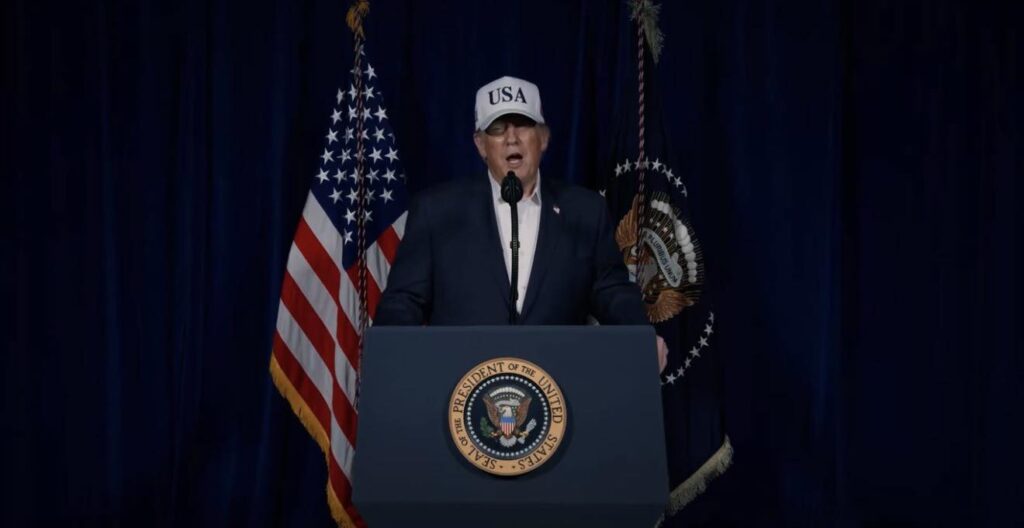
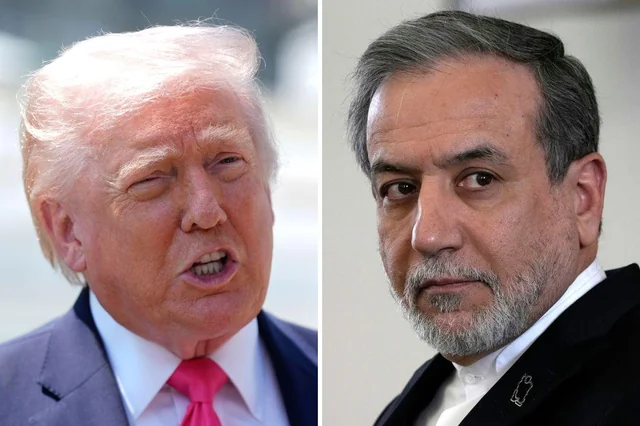
In a move that sent immediate shockwaves through global energy markets and geopolitical circles, Iran announced the full reopening of the strategic Strait of Hormuz. The swift and unexpected decision was met with a public acknowledgment from former U.S. President Donald Trump, who issued a simple yet loaded statement: “Thank you.” This brief exchange marks a significant, if perplexing, moment in the long-tense relationship between Washington and Tehran, with profound implications for oil prices, regional security, and international diplomacy.
The Lifeline of Global Energy: Why the Strait Matters
To understand the magnitude of this event, one must first grasp the critical importance of the Strait of Hormuz. This narrow sea passage between the Gulf of Oman and the Persian Gulf is not just another shipping lane; it is the artery of global hydrocarbon trade.
Consider these staggering facts:
- Approximately 20-30% of the world’s seaborne traded oil transits through the strait.
- It is the primary export route for major producers like Saudi Arabia, Iraq, the United Arab Emirates, Kuwait, and, of course, Iran itself.
- At its narrowest point, the channel is only 21 miles wide, creating a natural chokepoint of immense strategic value.
For decades, the specter of its closure has been the ultimate geopolitical risk premium baked into every barrel of oil. Iran has repeatedly hinted at blocking the strait in response to Western sanctions or military threats, using it as its most powerful strategic card. The decision to reopen it fully—and the subsequent thanks from a former U.S. president known for his “maximum pressure” campaign—represents a dramatic narrative shift.
Decoding the “Thank You”: Political Calculus or Diplomatic Thaw?
Donald Trump’s public gratitude is a political Rorschach test, open to wide interpretation. Analysts are scrambling to decipher the motives behind both Iran’s move and Trump’s response.
Potential Motivations for Iran’s Reopening
- Economic Necessity: Despite bypassing sanctions, Iran’s economy remains under severe strain. Ensuring the free flow of oil may be a bid to stabilize global markets and indirectly benefit from steadier prices for its own clandestine exports.
- Strategic De-escalation: This could be a calculated signal to reduce regional tensions, potentially aimed at fostering new negotiations or creating a favorable atmosphere amid shifting global alliances.
- Internal Political Maneuvering: The decision likely reflects intense debate within the Iranian power structure, possibly indicating a temporary ascendancy of pragmatic factions focused on economic relief over confrontational posturing.
Reading Trump’s Response
Trump’s “thank you” is equally layered. It could be seen as:
- A claim of vindication, framing the reopening as a direct result of his administration’s hardline policies that supposedly brought Iran to the negotiating table.
- A piece of strategic messaging aimed at domestic audiences, emphasizing his perceived ability to manage international crises and lower oil prices.
- A genuine, if simplistic, acknowledgment of a step that averts immediate crisis and benefits the global economy, particularly U.S. consumers at the gas pump.
The exchange, devoid of the usual hostile rhetoric, has left allies in the Gulf and Europe both relieved and deeply unsettled, questioning what unseen diplomacy or understandings may be unfolding.
Immediate Impact on Oil Markets and Global Trade
The financial markets reacted with predictable speed. The announcement triggered an immediate sell-off in crude oil futures, with Brent and WTI prices dropping sharply. The “risk premium” associated with Middle East supply disruptions began to evaporate within hours.
For the global economy, the reopening means:
- Increased predictability for energy importers from Asia to Europe.
- Potential relief for inflationary pressures, as transportation and energy costs face downward pressure.
- A recalibration of risk models for energy traders and multinational corporations.
However, experts caution that the relief may be tempered. The underlying geopolitical tensions are not resolved, and the strait’s vulnerability remains. The market’s celebration could be premature if this proves to be a tactical pause rather than a permanent strategic shift.
Regional and Global Repercussions: A New Balance of Power?
The dynamics of the Middle East are inherently interconnected. Iran’s move and Trump’s response will force reactions from other key players.
- Gulf Arab States: Nations like Saudi Arabia and the UAE, while economically benefiting from secure exports, may view this bilateral communication with suspicion, fearing a larger U.S.-Iran deal that could compromise their security interests.
- Israel: The Israeli government has consistently viewed any U.S.-Iran dialogue with alarm. This public exchange, outside formal channels, will likely heighten concerns in Jerusalem about American commitments.
- China and Russia: Both powers have deepened ties with Iran. They will analyze whether this indicates a potential U.S. re-engagement in the region that could challenge their influence, or simply a transactional moment of de-escalation.
The event underscores a recurring theme in modern geopolitics: the potential for unilateral actions by major actors to reshape complex diplomatic landscapes overnight.
Looking Ahead: A Temporary Calm or a Lasting Change?
While the reopening of the Strait of Hormuz is a unequivocal positive for the free flow of commerce and short-term market stability, it raises more questions than it answers about the long-term trajectory of U.S.-Iran relations.
Is this a one-off confidence-building measure, or the first step in a broader, unspoken dialogue? Does Trump’s public thanks signal a potential foreign policy approach in a future administration that blends maximum pressure with unpredictable diplomatic outreach? Most importantly, can the tense status quo in the Persian Gulf be managed through such sporadic gestures, or does it require a comprehensive, multilateral framework?
For now, the world is left with an image that would have been unthinkable for most of the past five decades: a U.S. president thanking the Islamic Republic of Iran. The waters of the Strait of Hormuz may be open for tankers, but the political waters have become murkier than ever. The only certainty is that this region, so crucial to global energy security, remains a powder keg where a single statement can ignite a market rally—or a new crisis.