
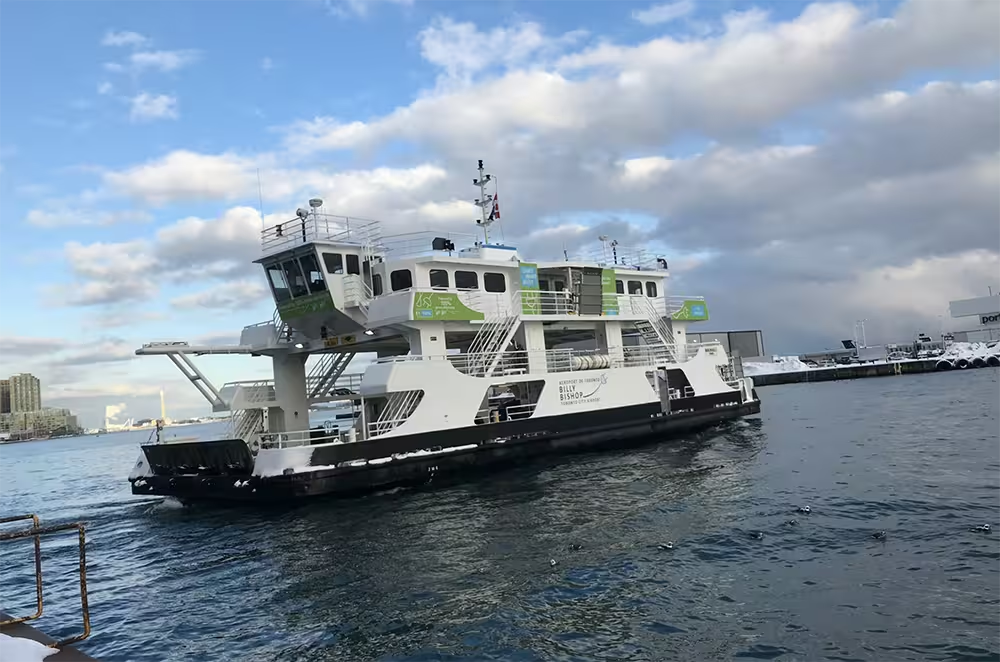
Canada’s Electric Ferries: A Journey Into Sustainable Travel
Imagine gliding across the deep blue waters of a Canadian coastline or a vast inland lake. The only sounds are the gentle lap of waves against the hull and the cry of a distant gull. The air smells clean, fresh, and free of diesel exhaust. This is not a distant dream of the future; it is the present-day reality on a growing number of Canada’s waterways, thanks to the quiet rise of zero-emission electric ferries.
As a nation defined by its stunning and often impassable geography, ferries are not a luxury—they are an essential lifeline for countless communities and a cornerstone of the tourism experience. Today, a profound shift is underway beneath the decks of these vital vessels. From the rugged Pacific coast to the historic St. Lawrence River, Canada is steering its marine transportation sector toward a cleaner, quieter, and more sustainable horizon. This journey into sustainable marine travel is reshaping how we connect with our country’s most beautiful and remote places.
The Silent Revolution: Electric Ferries in Operation Today
Canada’s electric ferry fleet, while still young, is proving its mettle in diverse environments. These pioneering vessels are the working proof that the technology is ready for prime time.
British Columbia: Leading the Charge on the Pacific
True to its innovative spirit, British Columbia is at the forefront of this aquatic evolution. BC Ferries, one of the largest ferry operators in the world, has integrated all-electric vessels into its network. The Powell River Queen, for instance, silently serves the route between Powell River and Texada Island. Furthermore, BC Ferries has launched the first of six planned hybrid-electric Island Class ferries, which operate primarily on battery power with diesel generators for backup. These vessels, serving shorter routes like Powell River – Texada Island and Port McNeill – Alert Bay – Sointula, are a testament to the province’s commitment to reducing its carbon footprint and protecting its pristine coastal ecosystems.
Quebec: Mastering Electric Power in Icy Waters
On the opposite coast, Quebec has demonstrated that electric ferries are not fair-weather friends. The province operates the NM *\*\* *\*\*, an all-electric ferry that navigates the challenging, icy conditions of the St. Lawrence River. This vessel is a critical piece of infrastructure, and its successful operation in a harsh maritime environment sends a powerful message: electric propulsion is robust and reliable, even under Canada’s toughest seasonal conditions.
Powering the Journey: The Critical Role of Charging Infrastructure
A sleek electric ferry is only as good as its ability to recharge. This is where the less-visible but equally important part of the story unfolds: high-capacity shore charging infrastructure. Unlike plugging in an electric car overnight, ferry operations demand rapid, high-power energy transfers during incredibly short turnaround times at docks.
Ports and terminal operators are investing in sophisticated automated systems that allow for quick and safe connections. Some concepts even explore battery-swapping technology, where a depleted battery pack is mechanically exchanged for a fully charged one in minutes. The development of this infrastructure is a complex puzzle involving utilities, government, and operators, but it is the essential enabler for a widespread electric ferry network. Without it, the vessels simply couldn’t maintain their demanding schedules.
On the Horizon: The Future of Electric Ferries in Canada
The current fleet is just the first wave. Ambitious plans are charting a course for a significantly electrified future.
Major Expansions in British Columbia: BC Ferries’ commitment continues with its major vessel replacement program. The corporation is moving forward with plans to introduce several larger, next-generation hybrid-electric vessels on key routes like Nanaimo Harbour – Gabriola Island. These new builds are designed from the keel up for efficiency and will dramatically reduce emissions on some of the province’s busiest crossings.
Federal Investment and Nationwide Studies: The Government of Canada is fueling this transition through funding and initiatives. Programs like the Green Shipping Corridor initiative and other federal grants are financing feasibility studies for new electric ferry routes across the country. From the possibility of electric runabouts in Newfoundland and Labrador’s outports to decarbonizing services on the Great Lakes, engineers and planners are actively mapping out where electric propulsion makes the most sense next.
Why the Electric Shift is More Than Just Technology
The benefits of transitioning to electric ferries extend far beyond the engineering marvel. They create tangible positive impacts for people, wildlife, and the economy.
- Zero Direct Emissions: This is the most significant benefit. By eliminating tailpipe exhaust, electric ferries provide cleaner air for terminal communities, reducing greenhouse gases and pollutants that affect public health and the environment.
- Dramatically Reduced Noise Pollution: The near-silent operation of electric motors transforms the onboard and onshore experience. Passengers enjoy a more peaceful journey, wildlife is less disturbed, and waterfront communities are freed from constant engine noise.
- Lower Lifetime Operating Costs: While the upfront investment can be higher, electric ferries offer substantial savings over their lifespan. They have fewer moving parts, reducing maintenance needs, and they are immune to the volatility of diesel fuel prices, allowing for more stable long-term budgeting.
- A Catalyst for Broader Renewable Integration: These vessels can act as floating energy storage units. During periods of low travel or when renewable energy (like hydro or wind) is plentiful, they can charge. This helps stabilize local grids and promotes greater use of clean power sources.
Your Guide to Experiencing an Electric Ferry Journey
Ready to be part of this quiet revolution? Here’s how you can plan a trip on one of Canada’s electric ferries.
1. Research the Routes:
Start by looking at operators in leading provinces:
- British Columbia: Check the BC Ferries website and look for details on the Powell River Queen and the “Island Class” vessels on routes serving Texada Island, Alert Bay, and Sointula.
- Quebec: Explore the services offered by the Quebec government’s ferry arm to find information on the all-electric vessel operating on the St. Lawrence.
- Keep an Eye on Emerging Regions: Stay informed about upcoming projects in Nova Scotia, Ontario, and elsewhere as new studies are completed and vessels are ordered.
2. Book Your Passage:
Once you’ve identified a route, book your ticket directly through the ferry operator’s website. During peak travel seasons, planning ahead is always recommended.
3. Experience the Difference:
When you’re onboard, take a moment to appreciate the unique experience. Step out on deck and listen to the natural soundscape. Breathe in the clean air. You’re not just on a ferry; you’re participating in a practical, real-world solution for sustainable transportation.
Canada’s journey toward electrified waterways is more than a pilot project—it’s a full-scale voyage into a cleaner future. Each silent crossing is a powerful statement. By choosing to support and seek out these innovative services, we, as travelers and citizens, help chart the course for continued investment. We ensure that the iconic Canadian ferry experience—a thread woven into the fabric of our nation—remains vibrant, vital, and in harmony with the spectacular natural environments it connects for generations to come.

