Trump Vows to Seize Iran’s Uranium for US Security: A Bold Pledge Reshapes Nuclear Diplomacy
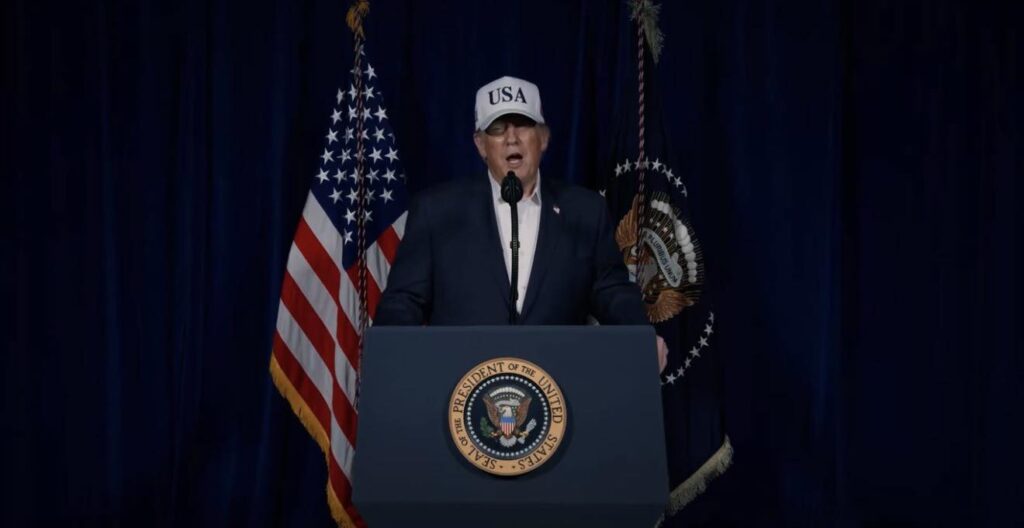
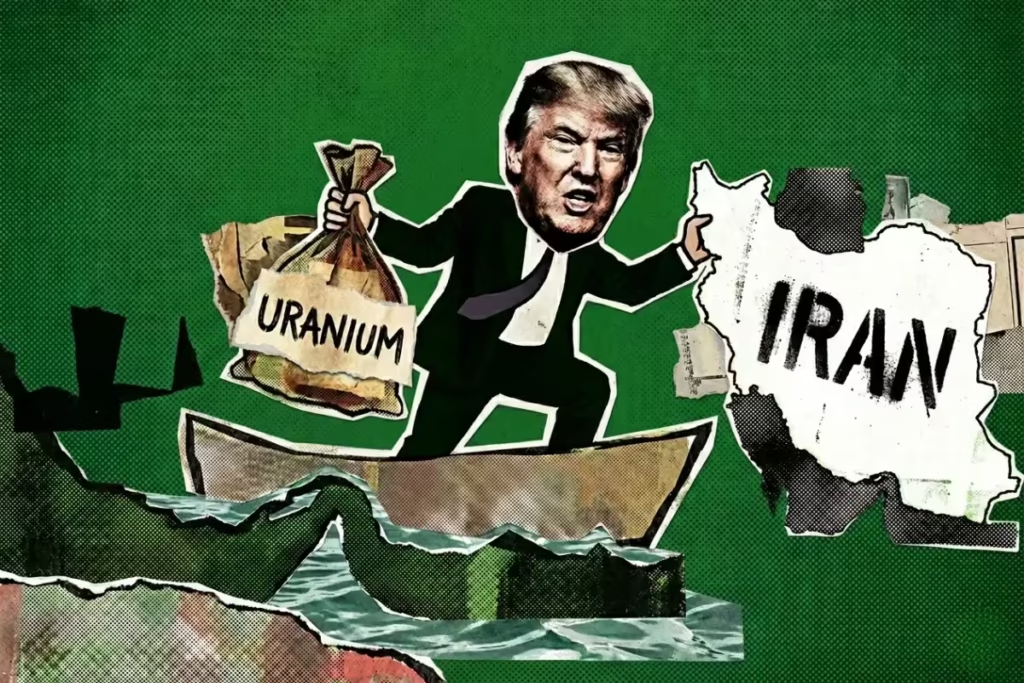
In a statement that has sent shockwaves through international diplomatic circles, former President Donald Trump has declared a hardline stance on Iran’s nuclear program. Vowing to bring Iran’s uranium stockpiles “back home to the U.S.,” Trump has framed this unprecedented move as a non-negotiable pillar of American national security. This pledge, made during a campaign rally, marks a dramatic departure from years of multilateral negotiations and threatens to upend the already fragile landscape of nuclear non-proliferation. The proposal raises profound questions about legality, geopolitics, and the future of U.S.-Iran relations.
Decoding the “Seize and Secure” Doctrine
At its core, Trump’s proposal is a radical reimagining of nuclear deterrence and enforcement. Unlike policies focused on containment or negotiated caps, this approach advocates for the physical confiscation of nuclear materials. Proponents argue it represents the ultimate guarantee, removing the very building blocks of a potential weapon from adversarial hands. For Trump and his supporters, this is framed not as an act of aggression but as a necessary safeguard, a direct and tangible method to neutralize what they perceive as an existential threat.
However, critics immediately highlight the monumental challenges. Such an operation would be logistically perilous and militarily complex, likely requiring a full-scale conflict to access and transport heavily guarded materials. Furthermore, the international legal framework, primarily the Treaty on the Non-Proliferation of Nuclear Weapons (NPT), does not provide for the unilateral confiscation of a sovereign nation’s nuclear resources, even for peaceful energy purposes. This doctrine, therefore, sits in a legal gray zone, potentially setting a precedent that could destabilize global norms.
The Ghost of the JCPOA and a New Path of Confrontation
This latest pronouncement cannot be separated from Trump’s longstanding opposition to the Joint Comprehensive Plan of Action (JCPOA), the 2015 nuclear deal from which he unilaterally withdrew the U.S. in 2018. His administration’s “maximum pressure” campaign of sanctions sought to force a new, more restrictive agreement. The new “seize and secure” idea appears to be the logical, if extreme, endpoint of that philosophy—abandoning negotiation for compelled forfeiture.
The contrast with the current Biden administration is stark. President Biden has sought a return to diplomacy, albeit with limited success, aiming to revive a version of the JCPOA. Trump’s pledge signals a potential future where diplomacy is sidelined in favor of coercive action and unilateralism. This creates a cycle of uncertainty for allies and adversaries alike, who must plan for two diametrically opposed American strategies depending on the election outcome.
Global Reactions: Allies Anxious, Adversaries Outraged
The international response to such a proposition is predictably divided. Key European allies, who struggled to salvage the JCPOA after the U.S. withdrawal, view the idea with deep alarm. It threatens to:
- Provoke immediate and severe retaliation from Iran, potentially across the Middle East.
- Undermine decades of established non-proliferation diplomacy.
- Place allied troops and interests in the region at heightened risk.
- Further erode trust in the United States as a predictable treaty partner.
In Tehran, the rhetoric is one of defiance. Iranian officials have long stated that pressure only strengthens their resolve. A threat to seize national resources would be portrayed as an act of war, likely bolstering hardline factions who argue that only a nuclear deterrent can guarantee the regime’s survival. It could spur Iran to accelerate its program or even withdraw entirely from the NPT, the very scenario the world seeks to avoid.
Regional powers like Israel and Saudi Arabia, while historically supportive of tough action against Iran, would also face unpredictable consequences, including being drawn into a broader conflagration.
The Legal and Strategic Quagmire
Beyond the immediate political firestorm lie intricate legal and strategic dilemmas. On what legal basis could the U.S. justify seizing another nation’s sovereign assets? While the UN Security Council could authorize sanctions or even intervention in cases of treaty violations, a unilateral American seizure would lack international legitimacy. It would be widely condemned as imperial overreach.
Strategically, the move could catalyze a new nuclear arms race. Other nations observing the precedent might conclude that possessing a nuclear arsenal is the only true defense against American coercion. The action intended to prevent proliferation could, perversely, incentivize it.
Implications for the 2024 Election and Beyond
Trump’s vow is as much a domestic political message as a foreign policy one. It is designed to resonate with a base that views the Iran nuclear deal as a historic failure and sees strength in unambiguous, aggressive action. It draws a clear, bold line between his approach and that of the incumbent president.
For voters, it presents a fundamental choice:
- Security Through Strength: A worldview where American safety is ensured by dominating and dismantling threats directly, regardless of diplomatic fallout.
- Security Through Diplomacy: A path that prioritizes alliances, multilateral agreements, and calibrated engagement to manage risks, even if progress is slow and messy.
The debate over this pledge will force a national conversation about the limits of American power, the price of security, and the role of the U.S. in upholding the global order it helped create.
Conclusion: A Pledge That Redefines the Red Line
Donald Trump’s promise to seize Iran’s uranium is more than a campaign rally line; it is a declaration of a potential foreign policy revolution. It moves the goalposts from preventing weaponization to commandeering materials, from deterrence to confiscation. While its proponents hail it as the only sure solution to a persistent threat, the world at large sees a path littered with legal breaches, military perils, and diplomatic ruin.
As the 2024 election approaches, this idea stands as one of the most consequential foreign policy distinctions between the candidates. Its feasibility may be questionable, but its power to shape debate, alarm allies, embolden adversaries, and redefine the boundaries of American action in the world is undeniable. The world is now watching to see if this bold vow remains rhetoric or becomes a future reality.