Deadly Colombia Bus Bombing: 20 Killed in Rural Attack as Violence Surges
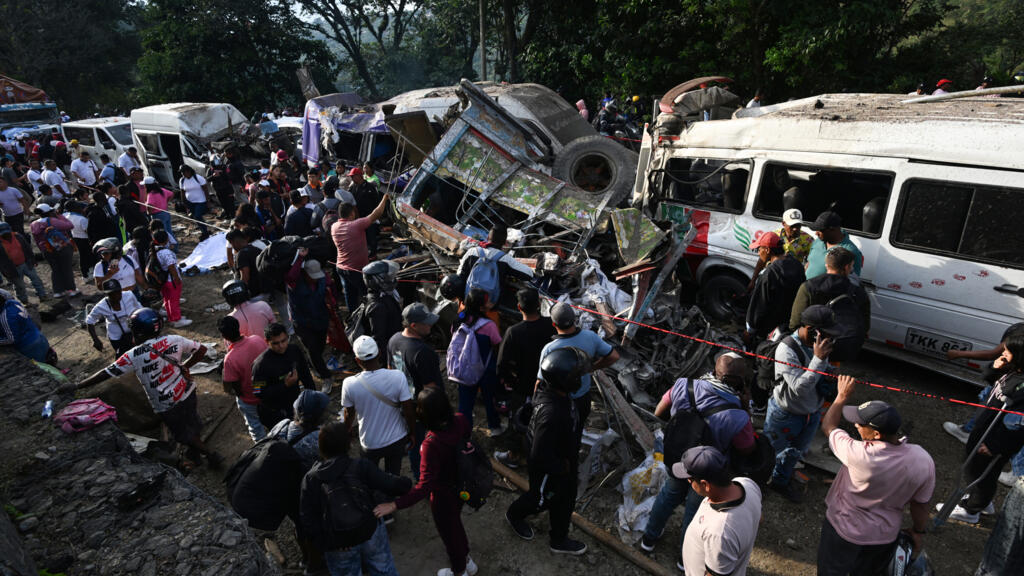
The growing crisis in southwest Colombia has reached a devastating new peak. A bomb attack on a civilian bus has killed 20 people and injured dozens more, marking one of the deadliest incidents in the region in recent years.
The attack highlights a worsening conflict between armed groups fighting for control of strategic rural territories.
The Attack: What Happened
A public bus traveling through a remote rural area in southwest Colombia was struck by a powerful explosion.
Witnesses describe a sudden blast that engulfed the vehicle in smoke and flames, killing many passengers instantly.
Survivors recall:
- Thick smoke and fire surrounding the wreckage
- Screams from trapped passengers
- Locals rushing to rescue survivors from the debris
- Emergency teams arriving to a scene of devastation
The bus was carrying civilians from nearby villages, including women, children, and elderly passengers. Many were traveling for work, school, or family visits.
Location and Timing
Authorities say the bombing took place in a region long affected by armed conflict. The area is strategically important due to:
- Dense jungle terrain used by armed groups for cover
- Proximity to drug trafficking routes
- Presence of rebel and paramilitary factions
- Limited government control in remote areas
Officials believe the timing was intentional, amid a recent rise in violence across the region.
Why This Attack Is So Alarming
Colombia has experienced decades of internal conflict, but attacks on civilians at this scale mark a dangerous escalation.
This was not a battlefield incident—it was a direct attack on ordinary people.
A Growing Pattern of Violence
This bombing is part of a broader wave of insecurity:
| Recent Events | Impact |
|---|---|
| Armed road blockades | Communities cut off from supplies |
| Killings of community leaders | Increased fear in rural areas |
| Clashes near villages | Mass displacement of residents |
| Ambushes on security forces | Strained military response |
Violence is expanding into more rural areas, not shrinking. Analysts say stalled peace efforts have left power vacuums that armed groups are exploiting.
Who Could Be Responsible?
No group has claimed responsibility, but several are under suspicion:
- Dissident FARC factions
- ELN guerrilla forces
- Drug trafficking organizations
- Paramilitary successor groups
What is clear is that civilians were deliberately targeted. Public buses are vulnerable and often used as symbolic targets in areas with limited security.
The Human Toll: 20 Lives Lost
Behind the number are real lives:
- A mother traveling with her children
- A farmer returning from market
- A rural schoolteacher
- An elderly couple visiting family
- A student on her way to exams
Hospitals in the region are overwhelmed, treating survivors with:
- Severe burns
- Shrapnel injuries
- Traumatic amputations
- Shock and psychological trauma
Medical supplies and blood reserves are running low, and some victims remain in critical condition.
A Community in Mourning
Entire towns have been shaken by grief. Funerals are being held for multiple victims at once.
Residents are asking painful questions:
- “Is anywhere safe anymore?”
- “Why are civilians always the victims?”
The emotional toll is deep, with many communities feeling abandoned and vulnerable.
Government and Military Response
The Colombian government has condemned the attack and announced:
- Deployment of additional troops
- Expanded intelligence operations
- Increased protection for transport routes
- Support for victims’ families
Military checkpoints have been set up along key roads, but officials admit the region remains difficult to fully secure.
Ongoing Frustration
Many residents say promises of security have not been fulfilled. Armed groups still operate freely in rural zones, and attacks continue despite government efforts.
International Reaction
Human rights groups and international organizations have condemned the bombing and called for:
- A full investigation
- Accountability for perpetrators
- Protection of civilians
- Renewed peace efforts
Aid and medical support are being coordinated for survivors.
What This Says About the Bigger Conflict
The attack reflects deeper issues in Colombia’s ongoing conflict. While national-level peace talks continue, rural communities often remain exposed.
Experts say lasting peace will require:
- Stronger state presence in rural areas
- Economic opportunities for local communities
- Effective justice and prosecution of crimes
- Disarmament of illegal armed groups
Without these, violence is likely to continue.
What Happens Next
In the coming days, Colombia will see investigations, funerals, and renewed political debate. But for victims’ families, life has already been permanently changed.
Survivors and activists are now calling for:
- Safer public transportation
- Stronger rural security
- Inclusion of rural voices in peace talks
- Real accountability for armed groups
A Tragic New Chapter
The bombing that killed 20 civilians is another painful reminder of Colombia’s ongoing struggle with violence.
As the country mourns, one question remains:
How many more lives will be lost before lasting peace is achieved?
For now, communities in southwest Colombia grieve their dead, care for the injured, and live with uncertainty about what comes next.