Iranian Diplomacy in Russia: A Strategic Response to the Escalating Israel-Lebanon Crisis
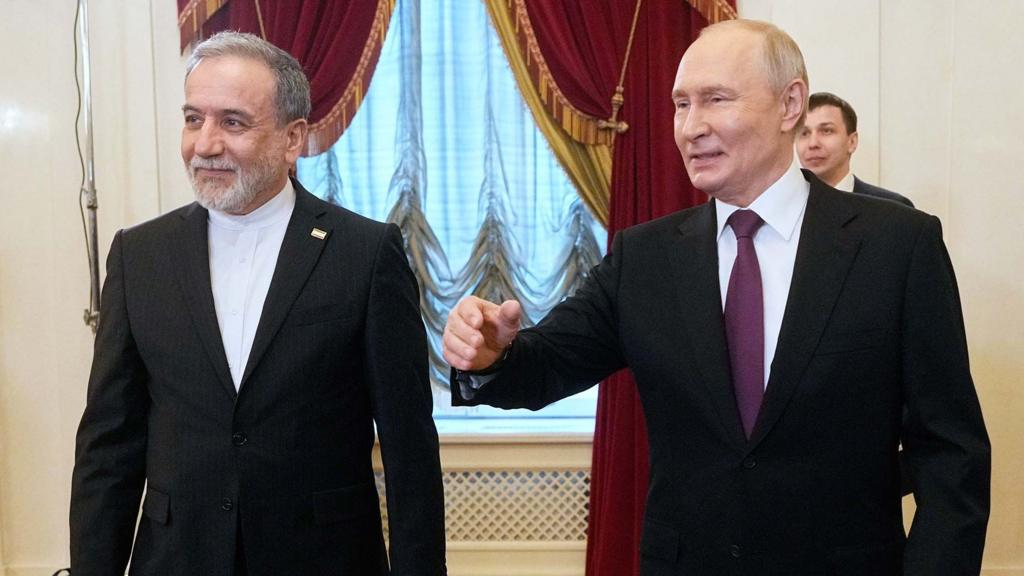
The geopolitical landscape of the Middle East is undergoing a rapid and dramatic recalibration. In a clear demonstration of deepening strategic ties between Tehran and Moscow, Iran’s top diplomat arrived in Russia on Monday for what analysts describe as high-stakes consultations.
This diplomatic mission occurs less than 24 hours after a devastating series of Israeli airstrikes in southern Lebanon claimed at least 14 lives on Sunday. The violence represents a significant and dangerous escalation in the ongoing cross-border exchanges between Israel and Hezbollah, the powerful militant group backed by Iran.
Why This Meeting Matters Now More Than Ever
The timing of this visit is far from coincidental. As the war in Gaza continues to exact a heavy toll and the border with Lebanon becomes a new flashpoint, Iran is actively seeking to solidify its alliance with Russia. The meeting sends a clear signal that the Tehran-Moscow axis is operating at full capacity.
From Moscow’s perspective, the visit offers a valuable opportunity to project influence in Middle Eastern diplomacy, even while its military resources remain heavily committed to the conflict in Ukraine. For Tehran, the message is equally strategic: a direct challenge to Western narratives of isolation and a demonstration that it retains powerful international partners.
The core objective of these talks is believed to be threefold: coordinate a unified response to Israeli operations, explore mechanisms to prevent an uncontrollable regional war, or conversely, prepare for the military and logistical requirements of a broader conflict.
Understanding Sunday’s Escalation
Before the Iranian delegation departed for Moscow, the ground situation had already turned volatile.
- The Strikes: Israeli forces conducted precision airstrikes against what they identified as Hezbollah operational sites in southern Lebanon.
- The Casualties: The death toll quickly rose to 14, a figure that includes both Hezbollah fighters and a number of civilians, heightening international concern.
- The Reaction: Hezbollah immediately issued statements vowing retaliation, raising the specter of a full-scale military confrontation that could draw in multiple regional actors.
This cycle of attack, retaliation, and escalation provides the critical backdrop for the urgent discussions now taking place in the Russian capital. The primary agenda item is not simply diplomatic posturing; it is about survival, deterrence, and maintaining influence across the region.
The Deepening Iran-Russia Partnership
The relationship between Tehran and Moscow has evolved beyond a simple strategic alliance. It has become a formalized counterbalance to the influence of the United States and its primary regional ally, Israel. By visiting Russia at this precise moment, Iran is likely seeking concrete deliverables across several domains.
Key areas of discussion likely include:
- Advanced Military Support: Iran may be requesting access to sophisticated Russian air defense systems, electronic warfare capabilities, or enhanced intelligence sharing regarding Israeli and American military movements.
- Diplomatic Cover: A coordinated effort at the United Nations Security Council is probable, aiming to block resolutions that condemn Hezbollah or impose new sanctions on Iran. Moscow’s veto power is a critical asset for Tehran.
- Economic Stability Under Sanctions: Bypassing Western financial restrictions is essential for Iran to continue funding its network of proxy forces, including Hezbollah. Russia provides vital trade corridors and financial workarounds.
What This Means for the Broader Region
The immediate consequence of this high-level meeting is a hardening of the lines between opposing geopolitical blocs. The visit effectively signals that the so-called “Axis of Resistance,” now backed explicitly by Moscow, is closing ranks. This is not a routine diplomatic courtesy call; it is a preparation for a potentially extended period of high tension.
For Israel, the sight of Iranian and Russian officials coordinating strategy is a significant strategic concern. While Israel maintains a delicate security dialogue with Russia regarding airspace over Syria, the deepening defense relationship between Moscow and Tehran complicates Israel’s freedom of action.
Diplomacy or War Preparation?
The critical question that observers are asking is whether this visit is designed to de-escalate or to prepare for escalation.
Arguments for a de-escalation mission include:
- Neither Iran nor Russia desires a full-scale regional war that could disrupt global oil markets and draw in the United States directly.
- Moscow may use its influence to restrain Hezbollah from launching a massive retaliation, preferring to keep the conflict contained.
Arguments for a war preparation coordination include:
- The meeting allows for finalizing command-and-control coordination between Iranian forces and their proxies.
- It provides an opportunity to organize the resupply of precision-guided munitions and drones to Hezbollah.
- It serves as a public show of force to deter Israel from expanding its operations.
The Bottom Line for Global Security
The meeting between Iran’s Foreign Minister and Russian leadership is a watershed moment in the current crisis. It signifies that the conflict between Israel and Hamas—and the subsequent tensions with Hezbollah—are now fully part of a larger geopolitical contest between a US-led coalition and a Tehran-Moscow partnership.
The outcome of these discussions will likely determine the speed and intensity of any future military exchanges. If the talks produce a unified strategy of deterrence, the region may see a period of calibrated, low-intensity conflict. If they produce a joint operational plan for a wider confrontation, the world could be on the brink of a conflict far larger than the one currently unfolding in Gaza.
In short: The eyes of the world are on Moscow. The words exchanged in those closed rooms will echo across the borders of Lebanon, Israel, and beyond for months to come. This is no longer a regional skirmish; it is a global power play with high stakes for everyone involved.