Can Beijing End the Iran War? Inside the 2026 Trump‑Xi Summit
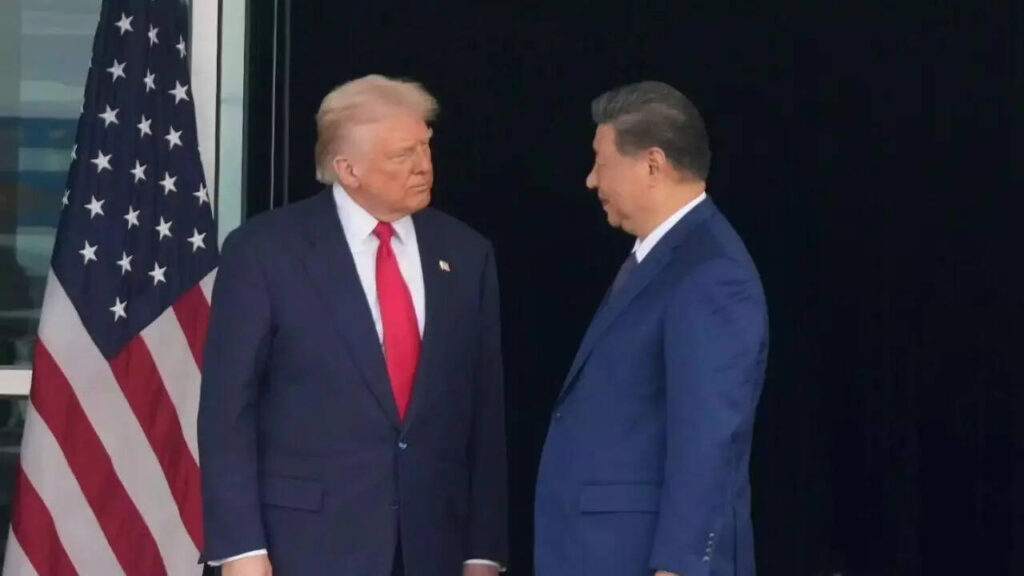
The global stage is set for one of the most consequential diplomatic meetings of the decade. In May 2026, U.S. President Donald Trump and Chinese President Xi Jinping are reportedly sitting down for a summit that could determine the trajectory of the Iran conflict. The central question isn’t just whether the two superpowers can find common ground—it’s whether Beijing can leverage its unique relationship with Tehran to broker a ceasefire or even a lasting peace deal.
This isn’t merely a ceremonial handshake. With American forces entangled in a grinding Middle Eastern war and global oil markets teetering on the brink of disruption, any move toward de‑escalation would ripple across economies and alliances. Political analysts at Northeastern University have identified a surprising variable in this high‑stakes equation: China’s economic and diplomatic ties with Iran may give Xi the leverage Washington desperately lacks.
Why China Holds the Key to Tehran
For years, China has maintained robust trade and investment links with Iran, even as Western sanctions tightened. Beijing is Tehran’s largest trading partner and a major importer of Iranian crude oil. This economic interdependence has created a channel of influence that the United States simply does not possess. At the 2026 summit, sources suggest that Trump may explicitly ask Xi to act as an intermediary—pressuring Iran to come to the negotiating table or to accept a framework for de‑escalation.
The Strategic Calculus for Xi Jinping
Xi faces a delicate balancing act. On one hand, positioning China as a global peacemaker would dramatically enhance its soft‑power image, especially after years of criticism over human rights and territorial disputes. A successful mediation would also protect China’s energy security by stabilizing oil flows from the Persian Gulf.
On the other hand, pushing Iran into a deal that primarily benefits the United States could strain a long‑standing strategic partnership. As a Northeastern foreign‑policy expert notes, “China’s role as a mediator could reshape the balance of power in the region, but the key is whether Xi is willing to risk his relationship with Iran for a deal that primarily benefits the U.S.”
The Stakes for the United States
For President Trump, securing a diplomatic breakthrough in Iran would be a major foreign‑policy victory—one that could bolster his domestic standing ahead of a re‑election campaign. The conflict has been costly in both lives and treasure, and a peace deal would allow Trump to claim he “ended the endless wars.” Yet the administration also has to contend with domestic political pressure to be tough on Iran, making any concession politically risky.
What Iran Wants—and What It Won’t Accept
Iranian leadership has repeatedly signaled reluctance to negotiate directly with the United States, viewing any U.S.‑led process as illegitimate. However, they have a more trusting relationship with China. If Xi can convey credible guarantees—such as sanctions relief or security assurances—Tehran might be willing to listen. Still, any deal would require concessions on uranium enrichment, regional proxy forces, and oil exports. Those are red lines for hardliners in both Tehran and Washington.
The Broader Geopolitical Implications
The Trump‑Xi summit is about much more than Iran. It’s a test of whether the world’s two largest economies can shift from rivalry to cooperation on a critical crisis. A successful outcome could set a precedent for U.S.‑China collaboration on other issues—from climate change to North Korea. Conversely, failure would deepen mutual distrust and could push Iran further into Russia’s orbit.
- Energy markets: A peace deal would stabilize oil prices and reduce volatility. Failure could send prices soaring.
- Global alliances: European and Gulf states are watching closely. A China‑brokered peace could diminish U.S. influence in the Middle East.
- Military posture: De‑escalation would allow the U.S. to redeploy forces to the Indo‑Pacific, a long‑stated Pentagon priority.
What Happens Next?
The summit’s outcomes remain uncertain, but three scenarios are plausible:
Scenario 1: A Framework for Peace
Xi agrees to convey U.S. proposals to Tehran and to host back‑channel talks. A preliminary ceasefire is announced within weeks. The United States begins a phased troop withdrawal in exchange for Iran’s verified compliance on nuclear activities.
Scenario 2: Limited Cooperation
Trump and Xi issue a joint statement calling for de‑escalation but fail to secure concrete commitments from Iran. The summit is seen as a diplomatic gesture rather than a breakthrough. The war continues at a lower intensity.
Scenario 3: Breakdown
Xi refuses to pressure Iran, citing China’s principle of non‑interference. Trump publicly blames China for obstructing peace. Tensions escalate, and the U.S. may impose secondary sanctions on Chinese entities dealing with Iran.
Key Takeaway for Investors and Policymakers
The 2026 Trump‑Xi summit represents a rare pivot point in a protracted conflict. For global markets, defense contractors, and energy traders, the outcome could trigger significant shifts. But more than that, it’s a test of whether the United States and China can find a way to cooperate in a world that desperately needs coalition‑based solutions.
As negotiations unfold behind closed doors, one thing is clear: the Iran war has become a global crisis that no single nation can solve alone. If Beijing steps into the role of peacebroker, it will not only help end a war—it will reshape the architecture of 21st‑century diplomacy. Stay tuned.
This analysis is based on reporting from Northeastern University’s political science experts. For the full background, consult the original source.