
What Happened in Yemen’s Sanaa Governorate?
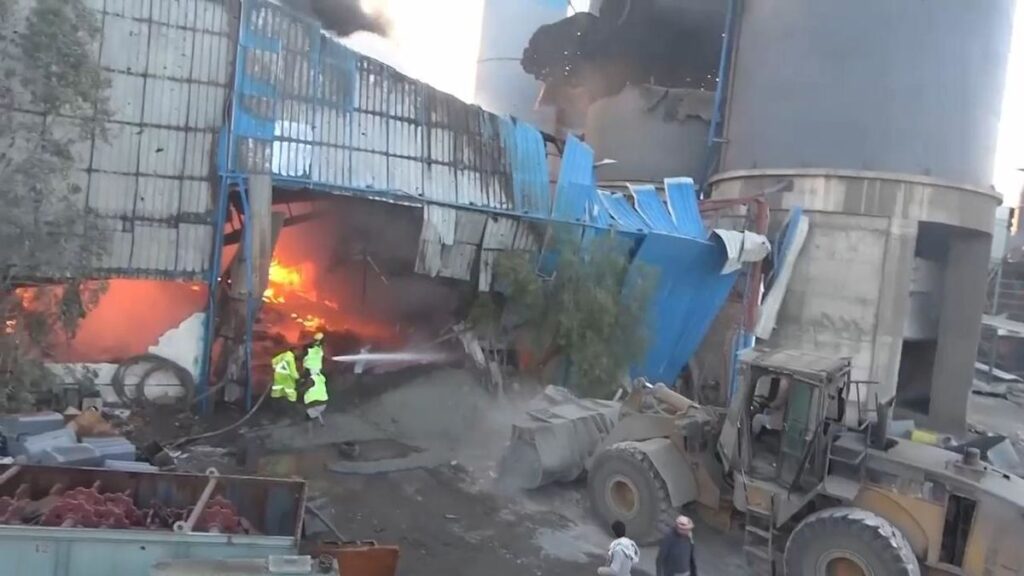
Airstrikes reported in Yemen on October 24, 2026, brought renewed attention to the dangers facing civilian communities as fighting intensified between Houthi forces and their opponents. Media outlets affiliated with the Houthi movement reported that an attack struck the South Hamdan Cement Factory area in Sanaa Governorate, including accommodation used by factory workers and their families.
The reports emerged amid a broader escalation involving Yemen’s Houthi movement, Saudi Arabia, and forces aligned with Yemen’s internationally recognized government. Details about the attack and its casualties were reported by Houthi-controlled media and had not been independently verified.
Reports of Damage at the South Hamdan Cement Factory
According to the Houthi-run Yemen News Agency, the attack damaged the South Hamdan Cement Factory in Hamdan District, northwest of Sanaa. The agency reported damage to factory infrastructure and production equipment, while local authorities described casualties among workers and their relatives living in nearby accommodation.
Sam Al-Bashiri, acting minister of economy, industry, and investment in the Houthi administration, visited the facility after the reported strike. The agency said he discussed the damage and the need to work with factory management to support repairs and restart production.
The distinction between an industrial facility and residential accommodation is important. Reports from Houthi-affiliated outlets described damage involving workers’ housing, but the available accounts did not independently establish the precise circumstances of the attack or the intended target.
What Has Been Reported About the Casualties?
Accounts published by Houthi-affiliated authorities described people being killed and injured in the Hamdan incident. A statement attributed to the local authority in Sanaa Governorate reported eight deaths and 15 injuries among people at workers’ accommodation.
Those figures were claims from authorities operating under Houthi control and were not independently confirmed in the reports available. The casualty figures should therefore be treated as reported allegations rather than an independently established final toll.
Separately, Houthi media reported another strike on a house in the Asr district of Sanaa. These reports described additional civilian casualties, although the details and totals varied across accounts.
When reports emerge from an active conflict zone, casualty figures can change as medical facilities receive injured people and local authorities revise their initial assessments. Independent confirmation is especially important before treating preliminary numbers as final.
Why the Incident Matters for Yemen’s Industrial Sector
Cement production is important to construction, infrastructure repairs, and the supply of materials needed to rebuild damaged communities. If a factory loses production capacity, the effects can extend beyond the immediate site to workers, suppliers, transport businesses, and customers who depend on its output.
Damage to production lines can also require specialized replacement parts, technical assessments, and substantial repair work. The extent of the reported damage at South Hamdan and the time needed to restore operations were not independently established in the available accounts.
Workers’ accommodation presents a separate concern. When employees and their families live near an industrial site, an attack affecting that area can put people who are not directly involved in hostilities at risk.
Any assessment of the incident should distinguish verified physical damage from claims about responsibility, military objectives, and the circumstances surrounding civilian casualties. Those questions require evidence beyond statements issued by parties to the conflict.
Yemen’s Wider Conflict and Regional Tensions
The reported attack occurred during a period of renewed hostilities involving the Houthis and Saudi-backed forces. Saudi Arabia has supported Yemen’s internationally recognized government in the conflict, while the Houthis control Sanaa and other parts of the country.
The fighting has also involved threats and attacks across the region. On October 24, the Saudi-led coalition reported intercepting two ballistic missiles launched toward the western Saudi cities of Taif and Yanbu, according to accounts published by international news organizations.
Houthi-affiliated media also reported strikes in the Red Sea port area of Mocha. The reported incidents formed part of a wider exchange of military actions, although details from the different parties were not independently confirmed in every case.
The renewed fighting raises concerns about the safety of civilian infrastructure, including homes, workplaces, transport links, and facilities needed to sustain local economies. It also complicates efforts to deliver assistance to people affected by displacement and shortages.
Who Is Responsible for the Reported Strike?
Houthi-affiliated media attributed the attack to Saudi forces, but an allegation of responsibility is not the same as independent confirmation. The available reports did not provide independently verified evidence establishing exactly which aircraft or military unit carried out the strike.
Saudi Arabia and the Saudi-led coalition’s position on the specific South Hamdan incident was not established in the cited reporting. Without a verified account from the parties involved and independent evidence, responsibility and the circumstances of the attack remain matters requiring further confirmation.
Reliable assessments would benefit from on-site inspections, verified photographs and video, hospital records, and statements from witnesses whose accounts can be independently checked. Such evidence can help clarify both the scale of the damage and whether civilian areas were affected.
How to Follow Further Developments
Readers following the incident should compare updates from established international news organizations with statements from the parties involved. Reports from the United Nations and humanitarian organizations may also provide additional context on civilian protection and the effects of renewed fighting.
When reviewing new reports, check the publication date, whether casualty figures have been revised, and whether the information comes from an independent investigation or a party to the conflict. These details help prevent early claims from being mistaken for confirmed findings.
For people with family or business connections in Yemen, official travel advisories and trusted local contacts are more useful for immediate safety decisions than unverified social media posts. Anyone planning travel to the affected region should consult current government guidance before making arrangements.
What to Watch for in the Coming Days
The next developments to monitor include any response from Saudi Arabia or the coalition, additional information about the factory’s condition, independently confirmed casualty figures, and updates on whether production can resume.
Further reporting may clarify the circumstances of the October 24 attack and its impact on workers and their families. Until more evidence becomes available, the reported strike should be understood in the context of continuing conflict, with the claims about responsibility and casualties clearly attributed to their sources.