
Canada Is Prepared to Take More Time Before Agreeing to U.S. Trade Terms
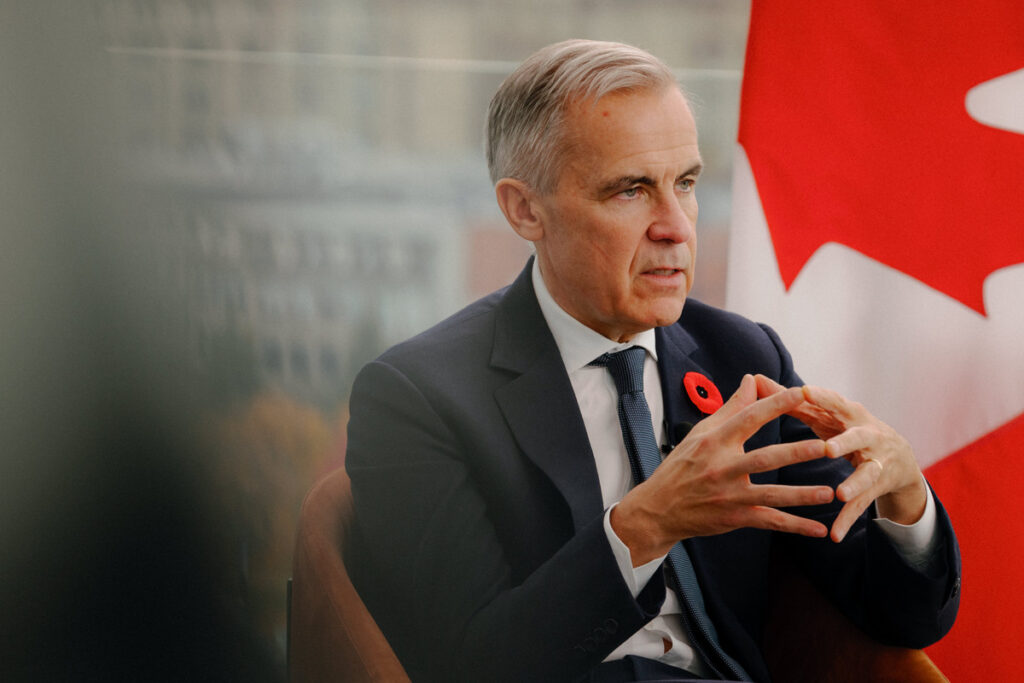
Canada’s next trade agreement with the United States may take longer than Washington expects. Prime Minister Mark Carney has indicated that his government is willing to wait for a different American administration rather than accept an agreement that does not protect Canada’s economic interests.
In an interview with POLITICO published on October 30, 2026, Carney delivered a clear message about Canada’s negotiating position just days before the November 3 U.S. midterm elections. If an acceptable agreement cannot be reached with President Donald Trump’s administration, Ottawa is prepared to continue waiting.
The statement highlights Canada’s willingness to approach trade negotiations according to its own priorities rather than follow the political timetable in Washington. It also comes during a period of continuing disagreements over tariffs, manufacturing and access to North American markets.
Why Mark Carney Is Not Rushing Into a Trade Agreement
For the Canadian government, reaching an agreement is not simply about ending the current trade dispute. The terms must also provide meaningful economic benefits and protect important Canadian industries.
Carney has repeatedly maintained that Canada will only accept an arrangement that serves its national interests. His position follows the collapse of earlier negotiations in August 2026, when Ottawa rejected proposed American terms that it considered unacceptable.
The disagreement involved issues affecting Canada’s ability to negotiate with other international partners, French-language requirements and the country’s automotive industry.
Following the breakdown, Trump implemented 50 percent tariffs on approximately $20 billion worth of Canadian goods, prompting retaliatory measures from Ottawa.
Rather than immediately accept another proposal, Carney has maintained that Canada’s negotiating priorities will remain unchanged. The government is prepared to continue discussions, but an agreement must meet its established requirements.
The November 3 U.S. Midterm Elections Add Pressure
The timing of Carney’s remarks is significant because the United States is approaching its November 3, 2026, midterm elections. American voters will decide which political party controls the House of Representatives and Senate for the remainder of the congressional term.
Trade policy has become an important political issue, particularly in states where businesses and manufacturers depend on Canadian supplies and cross-border commerce.
Some Republican candidates have expressed concerns about the economic consequences of Trump’s tariffs. The duties have affected industries that rely on Canadian materials, including manufacturing and automotive production.
For Canada, the election introduces another consideration. Changes in congressional control could influence the political environment surrounding trade discussions, although the president would remain responsible for the administration’s executive trade policies within the limits of applicable law.
Carney has indicated that Canada will not make its negotiating decisions simply to accommodate the American election calendar. His government is prepared to work with whichever administration and political leadership Americans choose.
Canada Is Keeping Its Options Open if Negotiations Fail
One of the most important aspects of Carney’s position is the possibility of waiting for a future American president.
Rather than treating the current administration as Canada’s only opportunity to secure a long-term trade arrangement, the prime minister has made clear that Ottawa can continue defending its interests even if negotiations take months or extend into another presidency.
This approach does not mean Canada has abandoned discussions with Washington. Carney has said the country is prepared to resume negotiations when the United States is willing to work toward an acceptable agreement.
The distinction is important: Canada remains interested in a deal, but the government does not want an agreement that creates additional disadvantages for Canadian businesses or limits the country’s economic independence.
It also reflects the importance of having predictable trade arrangements between two countries whose economies are closely connected.
Trump’s Tariffs Continue to Affect Canadian Industries
The trade disagreement has consequences beyond government negotiations. Canadian companies that export products to the United States face uncertainty over duties, production costs and future market access.
In August 2026, the breakdown in negotiations was followed by the implementation of 50 percent tariffs on approximately $20 billion in Canadian goods. The Canadian government responded with countermeasures against American products.
The automotive sector is particularly important in this dispute. Vehicle manufacturing across Canada and the United States relies on integrated supply chains, with components and finished products frequently crossing the border during production.
Trump has also pushed automakers to move more manufacturing operations into the United States. This creates additional uncertainty for Canadian facilities and workers whose livelihoods depend on cross-border industrial cooperation.
Steel, aluminum and other industrial materials are also part of the broader disagreement. Companies in these sectors need stable trade conditions to plan investments, manage expenses and maintain their relationships with international customers.
Canada Is Expanding Its Economic Relationships Beyond the United States
Another important part of Carney’s economic strategy is reducing Canada’s dependence on a single export destination.
The United States remains Canada’s largest trading partner, making the relationship essential to Canadian businesses. However, the ongoing tariff dispute has strengthened Ottawa’s interest in developing additional international markets.
Carney has established a goal of doubling Canadian exports to markets outside the United States over the next decade. Achieving this objective would require stronger commercial relationships, new investment opportunities and improved access to international customers.
Europe is among the markets receiving increased attention. Canada’s developing partnership with the European Union is intended to strengthen cooperation in areas such as trade, technology, security and investment.
Carney has also pursued closer economic cooperation with other international partners, including Mexico. These relationships could help Canadian companies reach additional customers and reduce the risks associated with relying heavily on American demand.
However, expanding international trade takes time. Canadian exporters must establish new business relationships, understand foreign regulations and develop the transportation and distribution networks needed to serve additional markets.
What Carney’s Position Means for Canadian Businesses
For companies operating in Canada, the prime minister’s approach signals that trade uncertainty may continue even if diplomatic discussions become more active.
Businesses that depend heavily on American customers should pay attention to developments involving tariffs, exemptions and potential changes to trade arrangements.
Manufacturers may also need to review their supply chains and consider whether alternative suppliers or export markets could reduce their exposure to future trade restrictions.
Canadian exporters should pay particular attention to official announcements from the Department of Finance Canada and Global Affairs Canada. These departments provide information about tariff measures, trade negotiations and changes affecting international commerce.
For smaller businesses, reviewing product classifications, export documentation and applicable customs duties can help prevent unexpected costs when shipping goods across the border.
Frequently Asked Questions About Canada-U.S. Trade Negotiations
Is Canada refusing to negotiate with Donald Trump?
No. Mark Carney has indicated that Canada remains open to negotiations. However, his government wants an agreement that protects Canadian economic interests rather than accepting terms simply to reach a quick settlement.
When are the 2026 U.S. midterm elections?
The U.S. midterm elections are scheduled for November 3, 2026. The elections will determine the composition of Congress, including the House of Representatives and Senate.
Could Canada wait for a new U.S. president before signing a trade deal?
Yes. Carney has indicated that Canada could wait months or until another American administration takes office if a suitable agreement cannot be reached with Trump’s government.
What to Watch as Canada and the United States Move Forward
The next important developments will involve the progress of negotiations, possible changes to American tariff policies and the political outcome of the November 3 midterm elections.
For Canadian businesses and consumers, the immediate priority is understanding how existing trade restrictions affect imported products, export costs and domestic industries.
Canada’s willingness to wait also means that an immediate agreement should not be assumed. The government has made its negotiating priorities clear, and future discussions will depend on whether Washington is prepared to address them.
As the relationship continues to evolve, Canadians should follow announcements from Mark Carney’s office, Global Affairs Canada and the Department of Finance Canada for confirmed changes to trade policy. The coming months will help determine whether both countries can reach an arrangement or whether negotiations will extend into a future American administration.