A Two-Decade Legal Fight Over First Nations Child Welfare
For nearly 20 years, a human rights complaint involving First Nations children and families has moved through Canada’s legal system, with questions about equitable services and long-term reform still unresolved. Cindy Blackstock, a prominent children’s advocate, hopes the proceedings will finally move toward a conclusion that delivers lasting improvements for children.
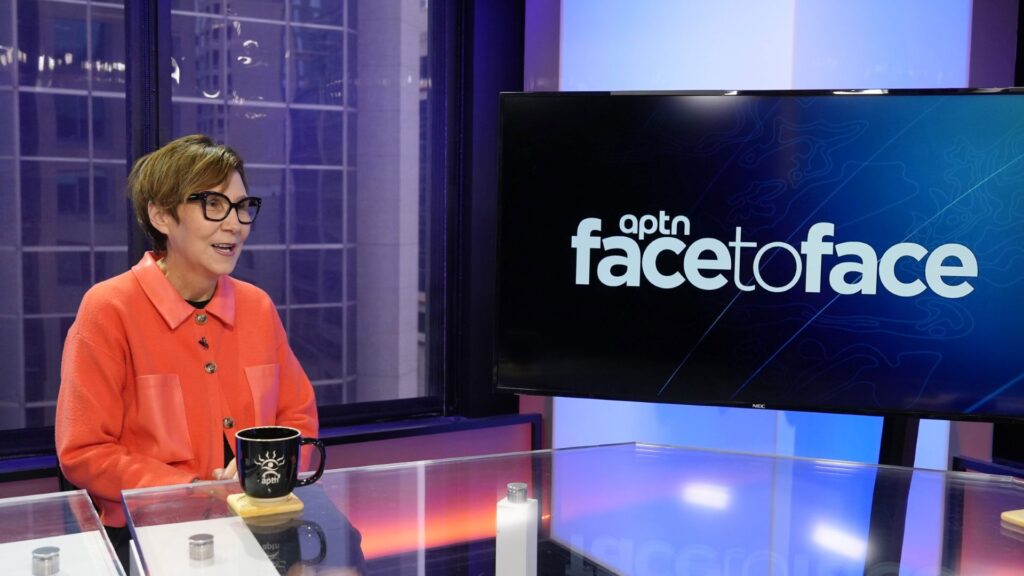
In an interview published by APTN News on October 13, 2026, Blackstock discussed the continuing case before the Canadian Human Rights Tribunal (CHRT). She is the executive director of the First Nations Child and Family Caring Society, one of the organizations that brought the complaint against the federal government.
The original complaint was filed in February 2007 by the Caring Society and the Assembly of First Nations (AFN). It alleged that the federal government’s provision of child welfare services to First Nations children and families living on reserves was discriminatory and inequitable.
The case has since become a significant part of the broader discussion about children’s rights, government responsibilities, and First Nations control over child and family services. Although legal decisions have recognized discrimination, the parties continue to disagree about how the system should be reformed.
What the Canadian Human Rights Tribunal Decided in 2016
In January 2016, the CHRT found that the federal government’s funding and delivery of on-reserve First Nations child and family services, along with its implementation of Jordan’s Principle, were discriminatory. The tribunal also found that the government had known about the harmful effects of these arrangements for years.
Jordan’s Principle is intended to ensure that First Nations children can access government services without being caught in jurisdictional disputes over which government department or level of government must pay. The principle is named after Jordan River Anderson, a First Nations child from Norway House Cree Nation in Manitoba who died in hospital while governments disputed responsibility for his care.
In practice, the principle can help children obtain necessary health, social, and educational services without waiting for federal and provincial or territorial authorities to resolve payment disagreements. Its implementation has become an important element of the wider legal dispute over equitable services for First Nations children.
Blackstock has pointed to improvements that followed the tribunal’s findings, including access to prevention funding for child and family services and support that helped children participate more fully in their families, schools, and communities.
However, she believes progress has weakened during the past three years. In her view, recent developments risk reversing gains in First Nations children’s rights and community decision-making, raising further questions about whether the existing arrangements will adequately meet children’s needs.
Two Competing Plans for Reforming Child Welfare
Two proposals are currently before the tribunal, reflecting different approaches to changing the First Nations child welfare system. One was put forward by the federal government, while the other was developed and supported by First Nations organizations.
The federal government’s regional agreement approach
In December 2025, the Canadian government announced a $35.5-billion plan intended to support reform through regional agreements. The approach involves negotiating arrangements with First Nations in different parts of the country.
The federal government has pursued agreements modelled in part on an $8.5-billion deal signed with First Nations in Ontario. Under the proposed national approach, regional negotiations would help establish arrangements for child and family services.
Documents filed by the federal government indicated that, between February and April 2026, the Indigenous Services minister sent letters to leaders representing more than 400 First Nations outside Ontario. The letters outlined the government’s regional agreement plan.
As of September 1, 2026, Indigenous Services Canada had provided more than $4.8 million to organizations representing 57 First Nations to support expenses associated with engagement and negotiations.
The government initially aimed to complete the regional agreements by September 30, 2026, but subsequently moved that target to March 1, 2027. The revised timeline was set ahead of an expected tribunal ruling on the competing reform proposals.
The First Nation-led Loving Justice Plan
The alternative proposal, known as the Loving Justice Plan, was developed and supported by the Assembly of First Nations, the First Nations Child and Family Caring Society, and the National Children’s Chiefs Commission.
This approach places greater emphasis on First Nations leadership in shaping the future of child welfare services. Its proponents argue that reform should address the underlying issues identified in the discrimination case and give First Nations a meaningful role in determining how services for their children are delivered.
The two proposals therefore differ in their approach to governance, regional negotiations, and the structure of future services. The tribunal’s task includes considering which arrangements can address the discrimination identified in its earlier decisions.
Blackstock has questioned the government’s decision to pursue regional agreements while the competing plans remain before the tribunal. She argues that the funding commitment should support children’s well-being regardless of which reform model is ultimately adopted.
Why Cindy Blackstock Is Concerned About Recent Developments
Blackstock said she initially expected the legal complaint to encourage the government to address the problems identified in First Nations child welfare services. The confirmation of inequalities by the auditor general shortly after the complaint was filed reinforced her expectation that the government would act.
She has also expressed concern about developments since Mandy Gull-Masty became minister of Indigenous Services. Gull-Masty is a former grand chief of the Grand Council of the Crees, and Blackstock had initially seen promise in her appointment.
According to Blackstock, however, the file has moved backward in areas involving First Nations self-determination, children’s rights, and compliance with legal obligations. These are her assessments of the government’s approach, rather than a new tribunal ruling on the merits of the competing plans.
The dispute also has financial implications beyond the immediate cost of delivering services. Blackstock has warned that unresolved disagreements could lead to additional litigation, including class-action lawsuits, which may create further costs for governments and taxpayers.
For First Nations families, the central issue remains whether reforms will translate into timely, appropriate services for children. The legal process is important because it can establish obligations, but implementation determines how those obligations affect families in their daily lives.
What Happens Next in the Legal Case?
Blackstock hopes a tribunal hearing expected in March 2027 will help bring the lengthy legal dispute closer to an end. That is her expectation, however, and not a guarantee that the proceedings or all related disagreements will be resolved by that date.
The tribunal is expected to consider the federal government’s regional agreement approach and the First Nation-led Loving Justice Plan. The outcome could influence the structure of child welfare services and the future relationship between federal authorities and First Nations communities.
Meanwhile, the regional negotiation process is continuing. A regional agreement involving seven First Nations in Saskatchewan was signed in October 2026, illustrating that negotiations are moving forward even as the tribunal considers the broader proposals.
Readers following the case can monitor updates from the Canadian Human Rights Tribunal, Indigenous Services Canada, the Assembly of First Nations, and the First Nations Child and Family Caring Society. These organizations provide relevant information about tribunal proceedings, reform proposals, and the progress of regional agreements.
Frequently Asked Questions
When was the First Nations child welfare complaint filed?
The First Nations Child and Family Caring Society and the Assembly of First Nations filed their complaint against the federal government in February 2007. It concerned alleged discrimination in services for First Nations children and families living on reserves.
What is Jordan’s Principle?
Jordan’s Principle is intended to ensure that First Nations children receive necessary public services without delays caused by disputes between governments over payment or responsibility. Its implementation was among the matters addressed in the tribunal’s January 2016 decision.
When could the tribunal make its next major decision?
A hearing is expected in March 2027, with a ruling on the competing reform plans anticipated in connection with that process. The timing and outcome remain subject to the tribunal’s proceedings.
Following the Next Stage of First Nations Child Welfare Reform
The long-running case is now at an important stage, with competing reform proposals before the tribunal and regional negotiations continuing across Canada. Its eventual outcome may shape how child welfare services are funded, governed, and delivered to First Nations children and families.
The practical next step is to follow official tribunal updates and announcements from the organizations involved, particularly as March 2027 approaches. Until a decision is issued and its requirements are implemented, the future structure of the system remains an active matter of legal and policy debate.
Source: APTN News, October 13, 2026.