Alberta Secession Vote Puts Canada’s Unity to the Test
Canada’s future could become the subject of a major political debate without Alberta actually becoming an independent country. On October 19, 2026, voters in the oil-rich western province are scheduled to decide whether the provincial government should begin the legal process for a future referendum on separation.
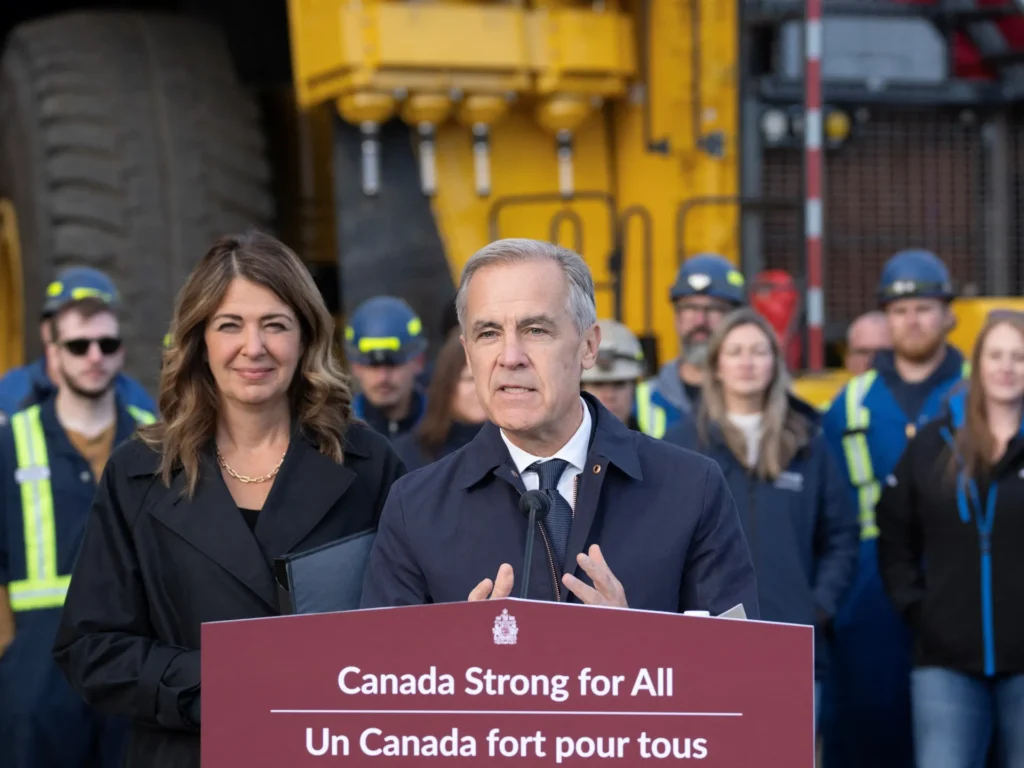
Prime Minister Mark Carney addressed the issue in a Thanksgiving video message on October 12, calling attention to the importance of national cooperation as Canada faces economic and security challenges. His remarks came one week before the Alberta vote, which could influence the country’s political debate even though the initial referendum is non-binding.
The question is not whether Alberta will immediately leave Canada. Instead, voters are being asked whether the provincial government should begin the constitutional process required to hold a later, binding referendum on independence.
What Mark Carney Said About Canadian Unity
Carney used his Thanksgiving address to emphasize the benefits of keeping Canada’s provinces united. He argued that cooperation is important as the country works through economic pressures, security concerns, and major infrastructure plans.
The prime minister recorded the message at St Francis Xavier High School in Edmonton, where he studied while growing up in Alberta. His connection to the province gave the address a personal dimension as the separation debate gained attention.
Carney also pointed to major development projects planned for Alberta and other parts of Canada. These include thousands of new homes, a proposed high-speed rail connection, and a pipeline intended to carry resources to Canada’s West Coast.
His argument was that national projects depend on cooperation across provincial boundaries. A prolonged dispute over Alberta’s constitutional future could complicate discussions about shared infrastructure and economic development.
Carney’s message came as his government sought to maintain cooperation with Alberta Premier Danielle Smith. Although Smith has supported keeping Alberta within Canada, the province’s independence movement continues to press for a public vote on the issue.
What Alberta Voters Will Decide on October 19
The October 19 referendum is an initial step in a potential separation process, not a direct vote to make Alberta independent. Its central question asks whether Alberta should remain a Canadian province or whether its government should commence the legal process required to hold a binding referendum on separation under the Canadian Constitution.
Because the initial vote is non-binding, its result would not itself remove Alberta from Canada. A vote supporting the proposed process would instead create pressure and a political basis for pursuing the next steps.
Any eventual separation would involve substantial legal and constitutional questions. The process would require negotiations with the federal government, rather than a province simply declaring independence following a single ballot.
Alberta’s separatist movement has gained visibility amid longstanding disagreements over federal energy and environmental policies. Supporters of independence argue that Ottawa has treated the province’s oil and gas industry unfairly, despite its importance to Alberta’s economy.
The movement’s growing public profile does not mean that most Albertans support separation. Polling cited in reporting on the debate suggests that opposition to independence remains the prevailing position in the province.
Why Alberta’s Oil Industry Is Central to the Debate
Alberta is one of Canada’s major energy-producing provinces, with oil and natural gas playing an important role in its economy. Decisions involving pipelines, environmental regulation, resource development, and access to export markets therefore carry significant political and financial implications.
Separatists argue that Alberta should have greater control over its resources and economic decisions. Their complaints include disagreements with federal policies affecting energy production and environmental management.
The federal government, meanwhile, has emphasized the benefits of cooperation and national infrastructure development. Carney’s support for a proposed pipeline to the West Coast reflects the importance of connecting Alberta’s resource economy with broader Canadian transportation and export networks.
The disagreement is not simply about oil production. It also concerns the division of powers between provincial and federal governments, the economic advantages of remaining in a larger country, and the political identity of Albertans.
Whether the initial referendum changes the debate will depend on its result and how provincial and federal leaders respond afterward. It will not, on its own, settle the constitutional questions surrounding independence.
US Politics and Quebec Add to Canada’s Separation Debate
Alberta’s referendum preparations come amid renewed separatist activity elsewhere in Canada. In Quebec, the Parti Québécois returned to power after winning 59 seats in the province’s 129-seat National Assembly, although it fell short of a majority.
The party supports Quebec independence, but its electoral result does not itself authorize separation. Its return to power has nevertheless brought questions about national unity back into Canadian political discussions.
US technology entrepreneur Elon Musk also weighed in after the Quebec election, publicly supporting separation for Quebec, Alberta, and Saskatchewan. His comments added an international dimension to debates that are primarily shaped by Canadian voters and political institutions.
Questions have also emerged about contacts between US political operatives and Alberta separatists. An investigation published by The Globe and Mail earlier in October reported that Republican operatives had met with organizers of the independence campaign to discuss strategy.
The report also described allegations that separatist leaders had offered access to Alberta’s water and oil royalties in exchange for American support. Separatist leaders disputed those claims, which should therefore be treated as reported allegations rather than established facts.
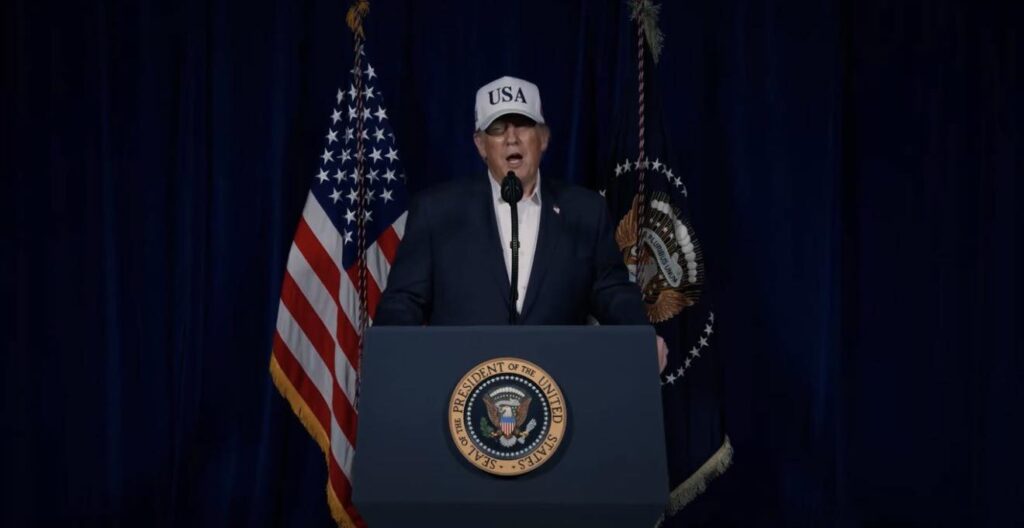
Canada’s relationship with the United States has become more strained under President Donald Trump, making questions about foreign involvement particularly sensitive. The central political decision about Alberta’s future, however, remains with the province’s voters and the constitutional process governing Canadian separation.
What Happens After the Alberta Vote?
The immediate next step is the October 19 ballot. Its result will indicate whether voters want the Alberta government to begin the legal process for a future binding referendum or prefer that the province remain within Canada without pursuing that process.
If the proposal receives support, provincial and federal leaders would face further legal and political questions about how a binding referendum could proceed. Negotiations and constitutional requirements would remain important, and independence would not take effect automatically.
If voters reject the proposal, separatist advocates could continue campaigning, but the immediate push to advance the formal process would face a setback. The political consequences would depend on the result and the responses of Alberta’s government and the federal administration.
For readers following the story, the most useful distinction is between the October 19 vote and a future referendum on independence. Follow official announcements from Elections Alberta and statements from the provincial and federal governments for confirmed results and any subsequent procedural steps.
Canada’s unity debate is likely to remain connected to energy policy, regional economic interests, and the balance of powers between Ottawa and the provinces. The upcoming vote will be an important measure of support for moving the separation process forward, but it will not determine Alberta’s final constitutional status on its own.