Donald Trump’s Election Setback Raises Questions About Global Stability
When political decisions made in Washington begin affecting fuel prices, household expenses, and international security thousands of kilometres away, the consequences extend far beyond American voters. That is the situation facing countries such as Australia following the Republican Party’s significant losses in the November 2026 US midterm elections.
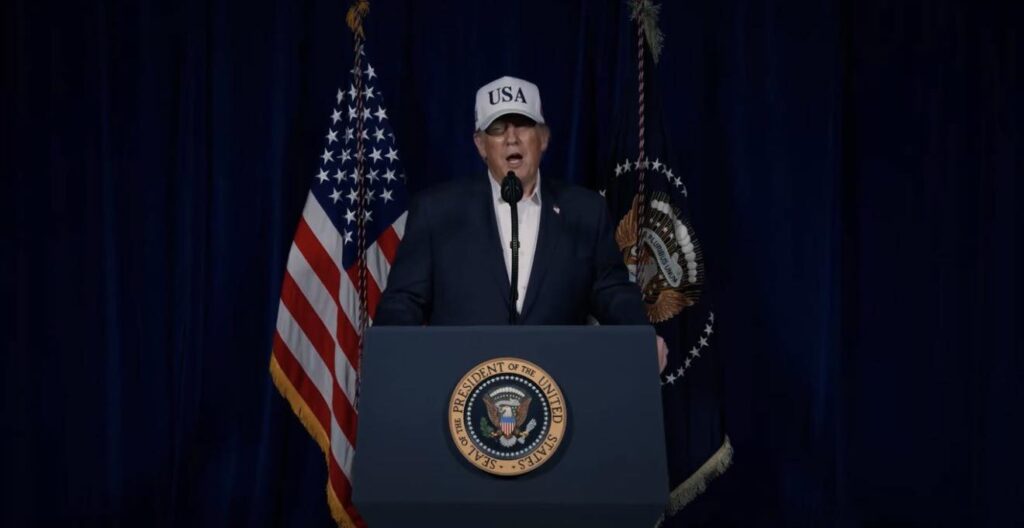
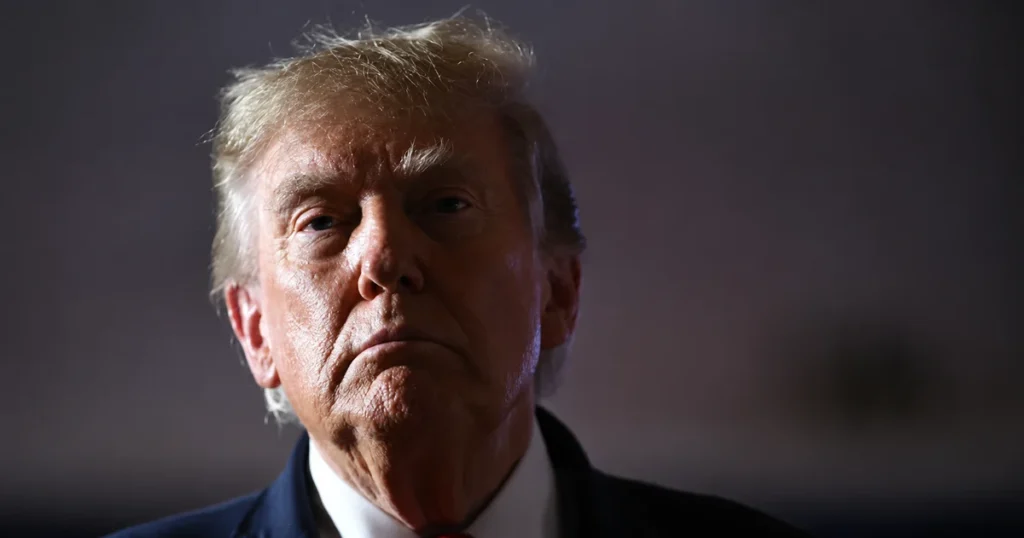
President Donald Trump now faces a difficult political environment after voters delivered a strong rebuke to his administration. The outcome has raised questions about his remaining domestic influence, his approach to the ongoing conflict with Iran, and whether his response could create additional uncertainty for international partners.
In an analysis published by ABC News, political journalist David Speers examined the potential consequences of Trump’s weakened position, particularly for Australia’s economy and its relationship with the United States.
Republican Election Losses Put Trump Under Pressure
The November 2026 midterm elections delivered a major setback for Republicans, with Democrats gaining control of both chambers of Congress. The result reflected growing voter dissatisfaction with several issues, including the economic consequences of the Iran conflict and the administration’s handling of international affairs.
States that had previously provided reliable Republican support, including Texas, Iowa, and Kansas, became important parts of the electoral setback.
The outcome presents a new challenge for Trump during the remaining years of his presidency. Although he retains executive authority, losing congressional support could make advancing his domestic priorities considerably more difficult.
Following the election, Trump indicated that he was prepared to work with Democrats. However, whether that willingness would continue beyond the immediate aftermath of the results remained uncertain.
The bigger question concerns how the president will respond to an electoral outcome that has challenged his political position, particularly when foreign policy decisions are already attracting considerable attention.
The Iran War Becomes a Major Political Concern
One of the central issues surrounding the Republican losses is the ongoing war involving Iran. The conflict has created economic difficulties, particularly through its effects on international energy supplies and the cost of oil.
Before the election results became clear, Trump had presented the situation as favorable for the United States. He also highlighted the amount of oil moving through the Strait of Hormuz, an important international shipping route.
However, American voters appeared less convinced about the benefits of the conflict. Higher energy expenses and continued military involvement overseas became important concerns for households already dealing with rising living costs.
The political setback has also highlighted different approaches within Trump’s administration regarding the next steps in the conflict.
JD Vance and Pete Hegseth Represent Different Approaches
Two senior members of the administration have been associated with different positions regarding the war.
Vice-President JD Vance has been identified with the de-escalation position, favoring negotiations as a way to pursue a settlement. This approach would potentially reduce the risks associated with an extended military campaign.
Meanwhile, Defense Secretary Pete Hegseth has been associated with a more aggressive military approach, including the possibility of intensifying bombing operations.
These differing positions illustrate the choices confronting the administration. Trump must consider the military situation, domestic political pressure, and the economic consequences of allowing the conflict to continue.
His eventual decision could have significant implications for the Middle East and countries that depend on stable international energy markets.
Why Australia’s Economy Is Also Affected
Although the election took place in the United States, its consequences are important for American allies. Australia is particularly exposed to the economic effects of the conflict because international oil prices influence transportation, production, and household expenses.
Prime Minister Anthony Albanese’s government initially supported American military strikes intended to prevent Iran from developing nuclear capabilities. However, the economic consequences of the conflict became more difficult to manage as the fighting continued.
By the time of the November 2026 analysis, the conflict had continued for nine months and counting, creating pressure on Australia’s economic outlook.
Australian Treasurer Jim Chalmers had become increasingly outspoken about the financial consequences of decisions made by the United States and Iran.
His position reflected concerns that Australian households were experiencing higher living expenses because of developments beyond their direct control.
Following the American election results, the Australian government was expected to face greater pressure to speak more firmly about ending the conflict.
Reserve Bank Interest Rate Decisions Add to Economic Pressure
Australia’s economic difficulties are not exclusively connected to international oil prices. Domestic inflation, household spending, employment conditions, and housing market developments also influence the country’s financial outlook.
Reserve Bank of Australia Governor Michele Bullock explained that the latest interest rate increase was intended to address domestic capacity pressures rather than being a direct response to higher oil prices.
The increase marked the fifth interest rate hike of 2026 at the time of the report.
Nevertheless, global energy prices remain an important consideration for Australia’s economic conditions. Changes in oil markets can affect transportation costs, business expenses, and the prices consumers eventually pay.
The Albanese government therefore faces the challenge of addressing inflation while avoiding decisions that could unnecessarily weaken economic activity.
Spending Cuts Become an Important Budget Issue
The government was preparing a mid-year budget update scheduled for the following month, with spending reductions expected to form part of its response to inflation.
However, making substantial cuts carries its own risks. Reducing government spending too aggressively could create additional difficulties for an economy already experiencing weaker consumer confidence and pressure on employment.
On the other hand, failing to demonstrate meaningful action against inflation could damage public confidence in the government’s economic management.
This leaves Albanese’s administration balancing two competing priorities: controlling rising prices and protecting economic activity.
Australia’s Housing Market and Employment Outlook
Another concern highlighted in the analysis involves the Australian housing market. The downturn was proving sharper than anticipated following changes to negative gearing and capital gains tax announced in May 2026.
Lower property prices are not automatically harmful, but a sharper decline can affect consumer confidence and household spending. These effects become more concerning when families are already dealing with increased borrowing costs.
Employment conditions also require attention. The Australian government was increasingly concerned that the labor market could deteriorate more quickly than previously expected.
These developments make economic policy particularly difficult. Measures designed to control inflation must be considered alongside the possibility of weaker employment, reduced spending, and a broader economic slowdown.
The 2028 Election Remains an Important Political Target
Prime Minister Anthony Albanese remains confident that inflation and interest rates will improve before the 2028 Australian federal election.
However, the government cannot assume that economic conditions will improve without difficulty. A prolonged downturn could undermine public confidence and create additional political pressure.
Reserve Bank Governor Michele Bullock has also acknowledged the uncertainty surrounding economic forecasts. Her assessment highlights the difficulty of predicting how domestic and international developments will influence Australia’s financial outlook.
Could Trump’s Election Defeat Change His Foreign Policy?
The central international question is whether Trump’s weakened domestic position will encourage him to reconsider his foreign policy decisions or make him more determined to demonstrate American strength.
The election results create additional pressure for the administration to respond to voter concerns about the Iran war. However, losing congressional support does not automatically remove the president’s authority over important foreign policy decisions.
Trump must also consider the differing opinions within his administration, the position of American allies, and the potential consequences of further military escalation.
For countries such as Australia, the uncertainty makes diplomatic and economic planning more complicated. Governments must prepare for different possibilities rather than assume that an American election defeat will immediately change international policy.
The direction of the Iran conflict will therefore remain an important indicator of what comes next.
Frequently Asked Questions
1. Why did Donald Trump’s Republican Party suffer losses in the 2026 midterm elections?
The election results reflected voter dissatisfaction with several issues, including the economic effects of the Iran war, rising energy costs, and the administration’s international policies. Democrats gained control of both chambers of Congress.
2. How could Trump’s election setback affect the Iran war?
The results increase domestic political pressure on Trump to reconsider the conflict. However, members of his administration have different positions, with JD Vance associated with negotiations and Pete Hegseth favoring a more aggressive military approach.
3. Why is Australia concerned about Trump’s next decisions?
Australia is affected by international energy prices, inflation, and the economic consequences of the Iran conflict. The Albanese government must consider these developments when making decisions about spending, interest rates, and economic policy.
What to Watch Following the US Midterm Elections
The November 2026 election results have created a more complicated political environment for Donald Trump. His administration must now respond to a clear electoral setback while dealing with an international conflict that continues to affect energy markets and the economic outlook of American allies.
For Australia, the immediate priorities include monitoring international oil prices, following developments in the Strait of Hormuz, and preparing for the next mid-year budget update in December 2026.
For international observers, the most important developments to follow are Trump’s decisions regarding Iran, the relationship between the White House and the newly elected Congress, and whether diplomatic negotiations gain momentum.
The election has changed the political landscape in Washington, but its international consequences will depend on what the administration does next. Governments and businesses around the world will be watching closely as the United States determines its next steps.