China Maintains Temporary Relief on Rare Earth Export Restrictions
Canadian manufacturers relying on international suppliers for advanced technology, electric vehicle components, and industrial equipment have another trade development to watch. China has announced a two-month extension of its suspension of certain rare earth export controls, keeping the measures on hold until January 10, 2027.
The announcement was made on Monday, November 9, 2026, as Beijing continued discussions with Washington over a longer-term trade agreement. The decision preserves part of the trade arrangement reached following a meeting between Chinese President Xi Jinping and U.S. President Donald Trump in South Korea last year.
Although the extension provides additional time for businesses and trading partners, it does not mean that China has permanently abandoned its export restrictions. The measures remain suspended for a limited period, leaving the next steps dependent on future developments in trade negotiations.
China Extends the Suspension for Another Two Months
China announced that certain export-control measures scheduled to resume in November would remain suspended for an additional two months, with the extension running until January 10, 2027.
The country’s Ministry of Commerce confirmed the decision in a short statement on November 9. However, the ministry did not provide additional details explaining the extension.
According to the announcement, the decision preserves part of the broader trade understanding reached between Beijing and Washington after Xi Jinping and Donald Trump met during a summit in South Korea in November 2025.
The original suspension had been scheduled to last one year. The latest decision provides another two months of temporary relief while both governments continue working toward a more lasting trade arrangement.
The extension is significant because rare earth materials and related technologies are important components of international industrial supply chains. Businesses that depend on these materials will continue watching China’s regulatory decisions as the new January deadline approaches.
How China’s Rare Earth Export Restrictions Began
China first introduced export controls covering certain rare earth materials in April 2025. The government subsequently expanded the restrictions in October of the same year, increasing their scope to cover additional materials and technologies.
The expanded measures also included new controls involving certain diamonds used for industrial applications and lithium battery technology.
These restrictions became part of wider trade tensions between China and the United States, particularly as both countries introduced measures affecting international commerce.
Following the November 2025 meeting between Xi and Trump in South Korea, China agreed to pause the implementation of the expanded measures for one year.
The November 9, 2026 announcement extends that arrangement until January 10, 2027, rather than introducing a permanent cancellation of the restrictions.
Which Rare Earth and Related Controls Are Affected?
The extension concerns specific export-control announcements introduced by China’s Ministry of Commerce and General Administration of Customs in 2025.
China’s Announcement No. 58 of 2026 maintains the suspension of six earlier announcements, covering several categories of rare earth materials, equipment, and related technologies.
These measures include restrictions involving certain rare earth equipment and raw materials, medium and heavy rare earth-related products, overseas-related rare earth items, and rare earth technologies.
The wider set of suspended measures also involves certain industrial diamonds and lithium battery technology, according to Reuters’ reporting on the original export-control framework.
The extended suspension is scheduled to apply from November 11, 2026, through January 10, 2027.
This distinction is important for businesses because the announcement does not establish that every Chinese export restriction has been removed. It applies to the specified measures covered by the temporary suspension.
China and the United States Continue Trade Negotiations
The latest decision forms part of a broader effort by Beijing and Washington to manage trade disagreements while negotiating a more durable agreement.
China announced the extension alongside a wider suspension of certain trade countermeasures and tariffs. These developments indicate that the two governments are continuing discussions involving several areas of their commercial relationship.
Rare earth materials have become an important issue in these negotiations because export restrictions can affect companies that depend on specialized materials and manufacturing technologies.
For the United States, maintaining access to international supplies of critical materials is an important consideration for industrial production. For China, export regulations remain part of its broader trade policy.
The two countries therefore have several issues to address before a longer-term arrangement can be established.
Trump Expected to Visit Shenzhen for APEC Summit
Another important development is the expected visit of U.S. President Donald Trump to Shenzhen, a major city in southern China, later in November.
Trump is scheduled to attend an Asia-Pacific Economic Cooperation (APEC) leaders summit, where he is expected to meet with Chinese President Xi Jinping.
The anticipated meeting comes as both governments continue discussions about an enduring trade agreement.
The November 9 announcement provides additional time before the January deadline. However, the temporary nature of the extension means that businesses and investors will be watching for further announcements from both governments.
Any additional understanding reached during the expected Trump-Xi meeting could influence the direction of future trade discussions, although no permanent resolution of the rare earth export restrictions has been announced.
Why Rare Earth Materials Matter to International Industries
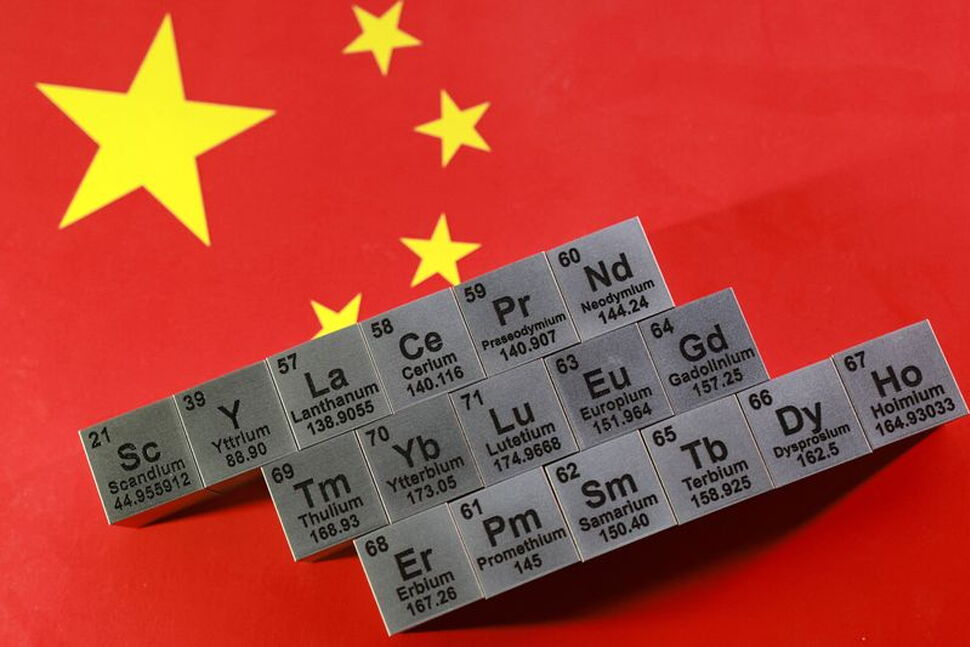
Rare earth elements are a group of specialized materials used in various industrial and technological applications. They are important to manufacturers producing advanced electronic equipment, motors, specialized components, and other products.
Some rare earth materials are particularly important in the production of permanent magnets used in electric motors and industrial equipment. Other applications involve electronics, energy technologies, and specialized manufacturing processes.
This makes the availability of these materials relevant to companies operating across multiple industries.
When export regulations change, manufacturers may need to review their sourcing arrangements, production schedules, and relationships with suppliers. Even a temporary suspension can influence how businesses approach purchasing and inventory planning.
China’s decision to maintain the suspension until January 10, 2027, gives affected businesses additional time to operate under the existing temporary arrangement. However, it does not guarantee that the same conditions will remain after that date.
What the Extension Means for Canada
Canada is also part of the international supply chain discussion surrounding critical minerals and advanced manufacturing.
Canadian companies involved in electric vehicle production, industrial equipment, electronics, and related technologies may have an interest in developments affecting the availability of rare earth materials and associated products.
Changes in Chinese export policies can become relevant to Canadian businesses through international suppliers, manufacturing partnerships, and global commodity markets.
The latest extension provides additional time for companies to review their exposure to possible supply disruptions. Businesses that depend on affected materials should pay attention to supplier communications and confirm whether their particular products fall within the scope of the suspended measures.
Canada’s own critical minerals development is also relevant to the wider discussion. Expanding reliable sources of important industrial materials can help manufacturers evaluate supply options and reduce dependence on individual international suppliers.
However, the Chinese announcement does not automatically change Canada’s domestic mining policies or establish new Canadian export arrangements. Its immediate effect concerns the specified Chinese export-control measures.
Businesses Should Watch the January 10, 2027 Deadline
One of the most important details in the latest announcement is the expiration date of the temporary suspension.
Businesses involved in international manufacturing and material sourcing should monitor official announcements from China’s Ministry of Commerce and General Administration of Customs before January 10, 2027.
Companies should also communicate with their suppliers to determine whether the products they purchase are affected by the suspended export-control announcements.
Checking supplier documentation, reviewing purchasing schedules, and identifying alternative sourcing arrangements can help businesses prepare for possible changes in export regulations.
These steps are particularly relevant for manufacturers whose production depends on specialized materials that may be difficult to replace quickly.
What Happens After China’s Latest Trade Decision?
China’s November 9 announcement provides another two months of temporary relief on certain rare earth and related export controls. However, the longer-term direction remains connected to ongoing discussions between Beijing and Washington.
The expected meeting between Trump and Xi during the APEC leaders summit in Shenzhen later this month will be an important development to follow as both governments work toward a lasting trade agreement.
Investors, manufacturers, and international trading companies will also be watching for further announcements concerning export restrictions, tariffs, and other trade countermeasures.
The next major date to remember is January 10, 2027, when the extended suspension is scheduled to end. Whether China announces another extension, changes the affected measures, or allows the restrictions to resume will be important for businesses planning their international supply chains.
For Canadian companies and other international manufacturers, the practical priority is to monitor official trade announcements and review their exposure to Chinese-sourced materials before the temporary arrangement expires.
Source: Reuters reporting by Lewis Jackson, published November 9, 2026, and coverage of the announcement by U.S. News & World Report.