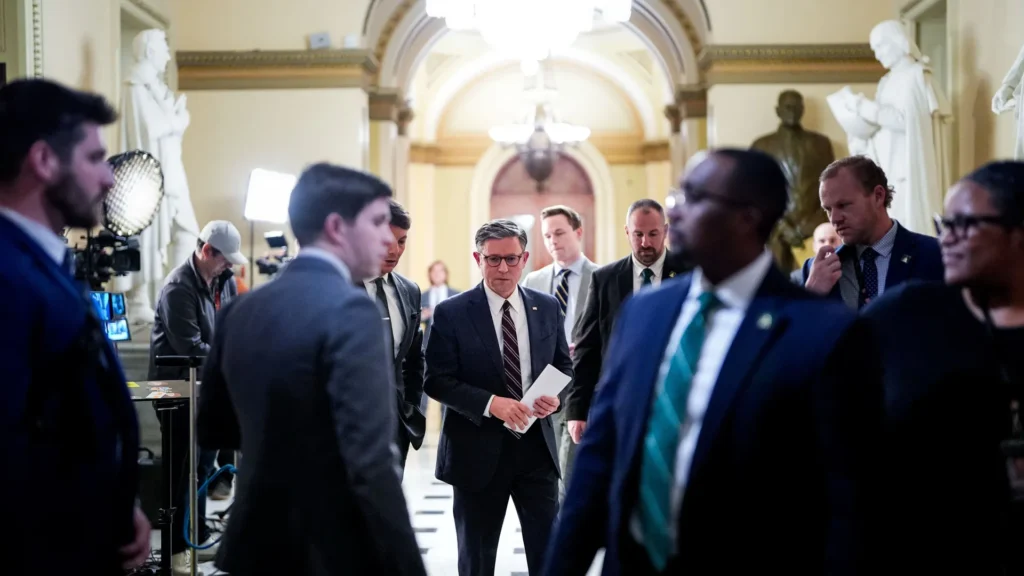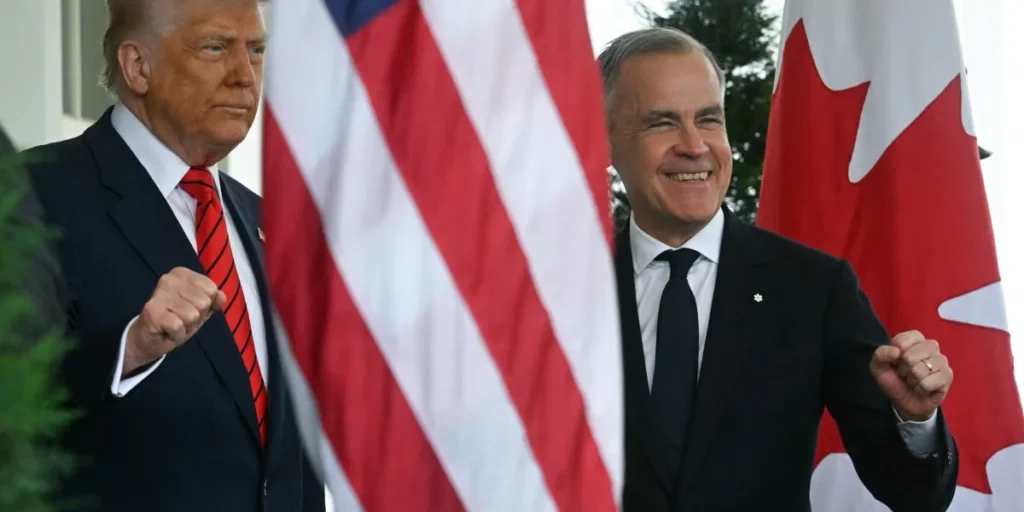

The House of Commons has officially adjourned, marking the start of a lengthy winter break for Canada’s federal politicians. MPs have departed Ottawa for a six-week recess, a period of downtime that is drawing both scrutiny and sighs of relief after a tumultuous fall session dominated by heated political battles and significant legislative pushes.
This extended pause offers a moment to reflect on the political landscape as the Liberal minority government, propped up by a confidence-and-supply agreement with the NDP, navigates persistent challenges. From the cost-of-living crisis to international conflicts and domestic policy showdowns, the stage is set for an even more intense political year upon their return.
A Session Defined by Pressure and Partisan Divides
The weeks leading up to the recess were anything but quiet. The government worked diligently to pass key pieces of legislation before the deadline, a common end-of-session scramble. However, the atmosphere was charged, with opposition parties leveraging every opportunity to challenge the government’s agenda and competence.
Key Legislative Moves Before the Break
Several high-profile bills were at the forefront in the final days:
- The online streaming act (Bill C-11) and the online news act (Bill C-18), both now law, sparked fierce debate over digital regulation and their impact on Canadian content and media.
- Significant progress was made on the gun-control bill (C-21), though its controversial amendments regarding assault-style weapons continue to fuel passionate debate across the aisle.
- Perhaps most critically, the government tabled its fall economic statement, a fiscal update aimed at addressing affordability while attempting to maintain fiscal restraint—a balancing act that received mixed reviews.
These legislative items underscore a session where technological change, public safety, and economic anxiety collided on Parliament Hill.
The Unrelenting Affordability Crisis: Parliament’s Central Focus
If one issue dominated question period and political discourse, it was the sky-high cost of living. With inflation driving up prices for groceries, housing, and fuel, opposition leaders, particularly Conservative Leader Pierre Poilievre, launched relentless attacks on the government’s economic stewardship.
The government’s response, including targeted relief measures like the doubled GST credit and dental care initiatives from the deal with the NDP, was framed by opponents as insufficient. This created a powerful narrative of a government out of touch with the struggles of ordinary Canadians, a theme that is sure to be a cornerstone of the Conservative strategy heading into the next election cycle.
Scandals and Questions of Integrity
Beyond policy, the government’s ethical footing was repeatedly challenged. The ongoing RCMP investigation into allegations surrounding Chinese election interference cast a long shadow, leading to calls for a public inquiry—a demand the government ultimately conceded to after immense pressure.
Furthermore, the contract with GC Strategies for the ArriveCAN app became a symbol of mismanagement, with revelations about the company’s minimal staffing and hefty commissions fueling accusations of wasted taxpayer dollars. These controversies have eroded trust and provided ample ammunition for opposition attacks on transparency and accountability.
International Pressures and Diplomatic Strains
Parliament’s work was not confined to domestic issues. The horrific conflict between Israel and Hamas after the October 7 attacks forced difficult votes and exposed deep caucus divisions within all major parties. The government’s stance on ceasefire calls and humanitarian aid was scrutinized, reflecting the complex domestic political dimensions of international crises.
Simultaneously, Canada’s relationship with two global giants—India and China—remained tense and complicated. These diplomatic challenges require delicate handling and present ongoing foreign policy tests that will extend well into the new year.
What to Expect When Parliament Returns
When MPs reconvene in late January, the political truce of the holidays will quickly dissolve. The groundwork has been laid for a highly charged and consequential sitting leading toward a potential 2025 election.
- The Affordability Battle Will Intensify: Expect the Conservatives to double down on their “axe the tax” message targeting the carbon price, while the Liberals and NDP will focus on rolling out and promoting new support programs.
- Housing as a Top Priority: The crisis in housing availability and affordability will demand more concrete plans and faster action, with all parties vying to present the most credible solution.
- Ethics Inquiries in the Spotlight: The public inquiry into foreign interference will begin its work, guaranteeing headlines and potentially damaging revelations that could dominate the political news cycle.
- Budget 2024 Takes Shape: The spring budget will be the government’s next major fiscal event, a critical document that will signal its priorities and set the battle lines for the coming months.
A Momentary Pause in a Persistent Storm
The six-week winter recess provides a necessary respite for MPs to reconnect with their constituents and strategize. However, the issues awaiting them—economic uncertainty, geopolitical instability, and a palpable sense of public frustration—are not on break. The fall session revealed a Parliament, and a country, grappling with profound challenges.
The extended leave marks not an end, but an intermission. The debates over the direction of the nation, the effectiveness of its government, and the solutions to its most pressing problems are merely paused. When the Speaker’s mace is returned to the table in January, Canada’s political contest will resume with even greater intensity, setting the tone for the year that could ultimately determine the government’s fate.