
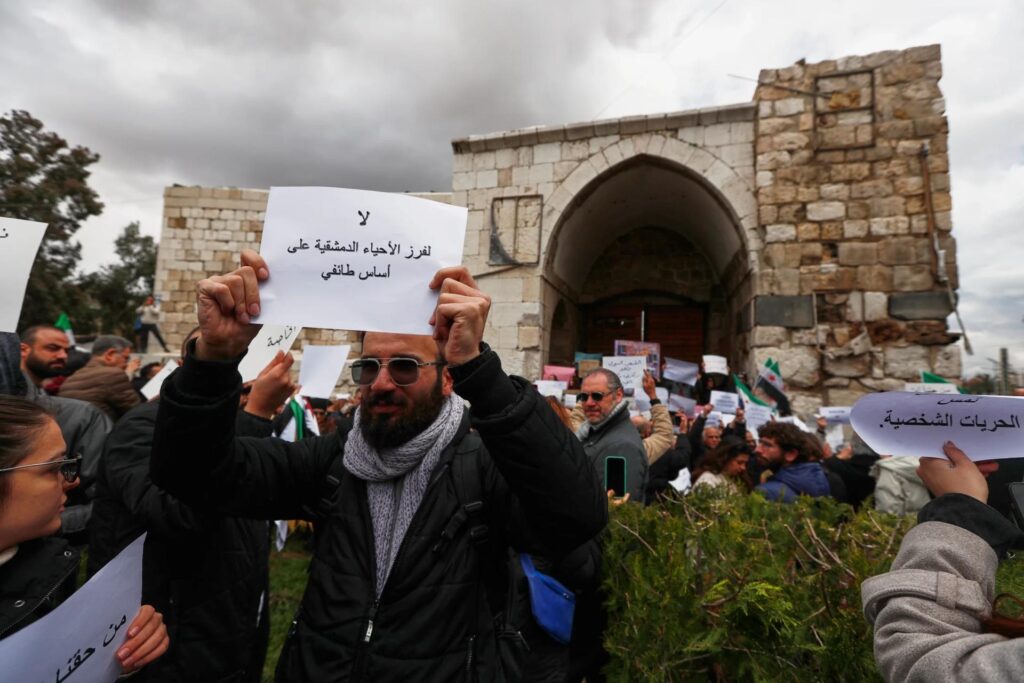
Damascus Alcohol Restrictions Spark Public Outcry in Syria
In a move that has taken many residents by surprise, Syrian authorities in Damascus have quietly implemented new, stringent restrictions on the sale of alcohol. The unannounced policy shift, which began to be enforced in recent weeks, has ignited a significant backlash from business owners and segments of the public, highlighting the delicate social and economic tensions in a nation still grappling with over a decade of conflict.
A Sudden Shift in Policy
For years, Syria, and particularly its cosmopolitan capital Damascus, has maintained a relatively liberal stance on alcohol compared to some of its regional neighbors. Licensed restaurants, bars, and dedicated liquor stores have operated openly, catering to a mixed population and, in pre-war times, a thriving tourism industry. This latest directive marks a stark departure from that norm.
The new rules, as reported and confirmed by local business owners, introduce several key limitations:
- Alcohol sales are now prohibited after 7:00 PM.
- Establishments located near schools, universities, places of worship, or hospitals are effectively banned from selling alcohol entirely.
- Enforcement appears to be inconsistent but carries the threat of closure for violators.
Crucially, the regulations were not disseminated through any official public decree but communicated directly to business owners by security agencies, a method that has fueled confusion and frustration.
The Economic Backlash: A Blow to Struggling Businesses
The most immediate and vocal reaction has come from the hospitality sector. For restaurant and bar owners, the evening sales ban is a direct blow to their primary revenue stream.
Cutting Off the Lifeblood of Nighttime Trade
“This is catastrophic for us,” one Damascus restaurant manager stated anonymously, fearing reprisal. “Our business truly begins in the evening. Telling us we cannot serve alcohol after 7 PM is tantamount to telling us to close our doors.” Many establishments argue that the profit margin from food alone is insufficient to cover soaring operational costs, including rent, utilities, and salaries in a country suffering from hyperinflation and a collapsed economy.
The ripple effects extend beyond upscale venues. Small grocery stores and liquor shops, often family-run businesses, are also facing ruin. A shop owner in the upscale Abu Rummaneh district lamented, “This is how I feed my family. This decision came without warning and without consideration for how we are supposed to survive.”
A Social and Cultural Flashpoint
Beyond economics, the restrictions have touched a nerve regarding personal freedoms and Syria’s social identity. For many secular Syrians and minority communities, the ability to consume alcohol is viewed as a personal choice and a remnant of the country’s historically diverse social fabric.
Perceived Sectarian Undertones
The policy has sparked fears that it represents a shift towards a more conservative, sectarian governance model. Some critics see it as an attempt by the government, which is dominated by the Alawite sect, to appease hardline Sunni Muslim clerics and constituencies whose support it seeks to consolidate. This perception is amplified by the targeting of areas near mosques and religious schools.
“This feels less about public order and more about imposing a certain social morality,” commented a Damascus-based writer. “It’s a symbolic move that makes life more restrictive for everyone, especially for communities for whom this is part of normal life.”
The Government’s Silence and Public Distrust
The government has not issued an official statement explaining the rationale behind the new enforcement. Speculation ranges from genuine concerns about public morality and protecting youth to a desire to control gathering places in the evening. However, the lack of transparency has bred deep distrust. Many Syrians, weary from years of war and economic hardship, view it as another arbitrary hardship imposed from above, disconnected from the populace’s urgent daily struggles for survival and normalcy.
Broader Implications for a War-Torn Nation
This controversy unfolds against a backdrop of immense national challenges. Syria remains fragmented, with a massive portion of its population displaced and its infrastructure in ruins. The economy is in a state of freefall, with the Syrian pound hitting record lows and widespread poverty.
- Symbolism Over Substance: For critics, the crackdown on alcohol is seen as prioritizing symbolic control over addressing core crises like corruption, the collapse of public services, and the lack of security.
- Tourism Dreams Dashed: The government has occasionally spoken of rebuilding the tourism sector. These new restrictions, however, severely undermine visions of reviving Damascus’s once-vibrant nightlife and appeal to international visitors.
- Deepening the Divide: The policy risks further alienating the urban, secular segments of society who have already endured immense loss, potentially deepening social fissures at a time when national unity is a professed goal.
A Nation at a Crossroads
The public outcry over Damascus’s alcohol restrictions is about more than just the right to drink. It is a flashpoint revealing the profound tensions between economic survival and social control, between personal liberty and state authority, in a society trying to navigate an uncertain future.
The muted, security-driven implementation of the rules reflects a government sensitive to dissent but willing to enforce its will. Meanwhile, the vocal backlash from business owners and citizens demonstrates a population pushed to its limit, ready to protest even perceived infringements on their dwindling spheres of normal life.
As the enforcement continues, the situation poses a critical question: Will the Syrian state recalibrate in the face of public and economic pressure, or will it double down, using this issue to redraw the social boundaries of a nation forever changed by war? The answer will reveal much about the direction of post-conflict Syria, one where the closing time for a drink has become a symbol for much larger battles over identity, power, and the right to a semblance of everyday life.

