
IEA Considers Second Strategic Fuel Release to Stabilize Markets: A Deep Dive
The global energy landscape is once again at a critical juncture. In a move signaling deep concern over market stability, the International Energy Agency (IEA) is actively deliberating the potential for a second coordinated release of emergency fuel stocks in less than a year. This unprecedented consideration underscores the persistent volatility and geopolitical fragility that continue to define the world’s energy supply chains, with profound implications for consumers, industries, and national economies worldwide.
The Trigger: Why a Second Release is on the Table
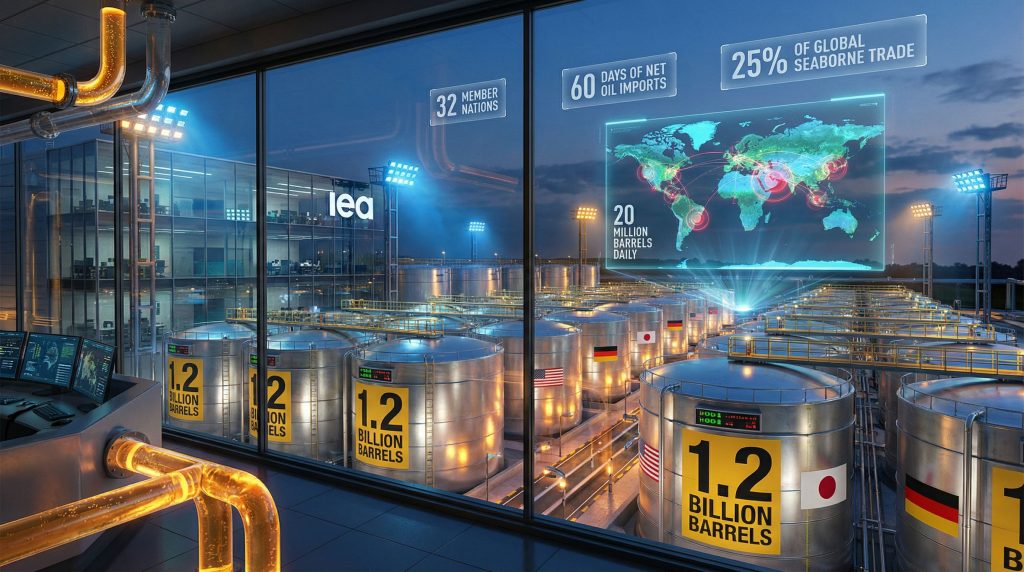
The IEA’s emergency reserves, held by its 31 member countries, are a tool of last resort, designed to be deployed only during severe supply disruptions. The fact that a second release is being discussed so soon after the historic 60-million-barrel release in early 2026 points to a perfect storm of destabilizing factors.
Geopolitical Tensions and Supply Disruptions
At the heart of the crisis are ongoing and new geopolitical flashpoints. Key oil-producing regions are experiencing heightened instability, while persistent conflict in critical transit corridors continues to threaten the free flow of energy. These disruptions have created a tangible deficit in the market, driving prices upward and creating uncertainty that hampers long-term economic planning.
Economic Pressure and Inflationary Fears
Soaring fuel prices translate directly into higher costs for transportation, manufacturing, and electricity. This feeds into broader inflationary pressures, squeezing household budgets and threatening to stall post-pandemic economic recovery. The IEA views the strategic stock release not just as an energy tool, but as a macroeconomic stabilizer intended to cool inflationary trends and protect global economic growth.
Market Psychology and Speculation
Beyond the physical barrels, the IEA’s action is a powerful psychological signal to the markets. The mere announcement of a potential release is designed to dampen speculative trading that can amplify price swings. It reassures the market that consumer nations are united and possess a powerful tool to prevent a supply crisis from spiraling out of control.
How a Coordinated Fuel Release Works
A coordinated release by the IEA is a complex, meticulously planned operation. It is not a simple opening of the taps.
*
- Collective Decision-Making: Member countries must agree on the necessity, scale, and timing of the release. This involves intense diplomatic consultation and analysis of market data.
*
- Volume Allocation: The total volume—potentially another 60 million barrels or more—is allocated among members based on their consumption and stockholding commitments.
*
- Logistical Execution: Countries then execute the release through a combination of methods, including direct sales from government stocks, lowering stockholding requirements for industry, or a timed, coordinated market sale.
*
- Market Impact Monitoring: The IEA closely monitors the price impact and physical flow of barrels to assess the effectiveness of the intervention and guide future decisions.
Potential Impacts and Critical Considerations
While intended to calm markets, a second major intervention carries its own set of consequences and debates.
Immediate Price Relief vs. Long-Term Solutions
The primary goal is to provide immediate price relief at the pump and for businesses. A successful release can break a cycle of panic buying and speculative price hikes. However, critics argue this addresses a symptom, not the root cause. It provides a temporary buffer but does not replace the need for long-term strategies like accelerating the clean energy transition and enhancing energy diversity.
Depleting Strategic Buffers
Emergency stocks are a finite insurance policy. A second major drawdown in quick succession would significantly deplete a crucial safety net for member nations. This raises concerns about the ability to respond to an even more severe, unforeseen crisis in the near future. Replenishing these stocks, often mandated by law, would eventually require purchases that could put upward pressure on prices again.
The Signal to Producers
The IEA’s move is also a diplomatic signal to major oil-producing nations and groups. It demonstrates consumer countries’ resolve to manage market stability themselves, potentially encouraging producers to reconsider output levels to avoid a sustained price collapse. It reframes the dialogue around shared responsibility for global economic health.
The Broader Context: Energy Security in Transition
This potential action occurs against the backdrop of the world’s ambitious clean energy transition. The crisis starkly highlights the tension between present-day fossil fuel dependence and future climate goals.
*
- The Clean Energy Imperative: The volatility reinforces the argument that the ultimate solution to both price shocks and climate change is to accelerate the deployment of renewables, electric vehicles, and energy efficiency measures. Reducing demand for oil is the most permanent form of energy security.
*
- Investment Dilemmas: Wild price swings and strategic interventions create uncertainty for energy investors. This can deter the sustained investment needed both in traditional supply (to maintain stability during transition) and in new clean technologies.
*
- A Defining Moment for the IEA: The agency, originally founded as an oil consumer bloc, is increasingly focused on steering the clean energy transition. This situation places it in a dual role: managing the fossil fuel system of today while advocating for its replacement tomorrow.
Looking Ahead: What This Means for Consumers and Policymakers
For consumers, the IEA’s deliberation is a reminder that global events directly impact household finances. While a release may offer some respite, the era of stable, low oil prices may be over, emphasizing the need for personal and societal resilience.
For policymakers, the moment is a call to action on multiple fronts:
1. Support the IEA’s coordination to ensure a swift and impactful market intervention if decided.
2. Double down on domestic clean energy policies to reduce long-term exposure to volatile international markets.
3. Invest in energy efficiency as the fastest and cheapest way to reduce demand and vulnerability.
4. Engage in robust diplomacy to address the underlying geopolitical tensions disrupting energy flows.
The IEA’s consideration of a second strategic fuel release is more than a market maneuver; it is a stark indicator of a world in energy flux. It underscores that true energy security in the 21st century will be achieved not just by managing emergency stockpiles, but by decisively building a more resilient, diversified, and sustainable energy system for the future. The decisions made in the coming weeks will not only influence prices but also signal the pace and priority of the global energy transition in a time of crisis.

