Historic Hawaii Flooding Disrupts Travel for International Tourists
A powerful and historic weather system has brought Hawaii’s famous hospitality to a standstill, triggering a cascade of flight cancellations, hotel evacuations, and travel chaos. Thousands of international visitors from the United States, Japan, Canada, South Korea, Australia, and the United Kingdom found their dream vacations abruptly interrupted as a severe “Kona Low” storm parked itself over the island chain, unleashing torrential rains, destructive flooding, and landslides.
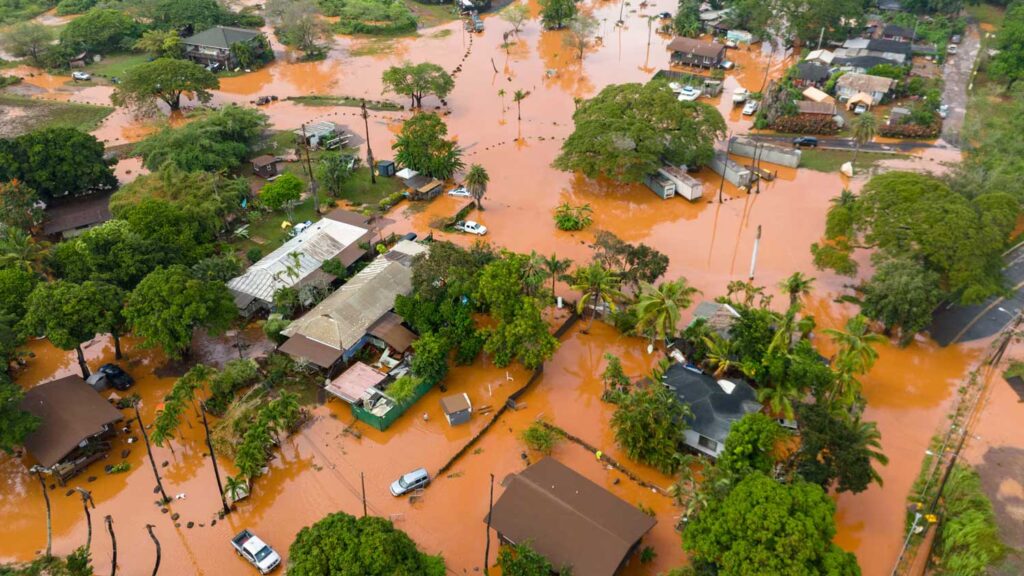
This isn’t just a passing tropical shower. Meteorologists are calling this a historic, multi-day rainfall event fueled by a stalled Kona Low—a seasonal cyclone that typically brings southerly winds and significant moisture to the Hawaiian Islands. The result has been unprecedented flooding, particularly on the islands of Oahu and Maui, turning roads into rivers, stranding residents and tourists alike, and prompting a state of emergency.
A Wave of Cancellations: Airlines and Hotels Scramble
The immediate and most visible impact for travelers has been at the airports. Major carriers serving the Hawaiian market, including Hawaiian Airlines, United Airlines, and American Airlines, were forced to cancel a significant number of flights in and out of the state. The disruptions created a domino effect, stranding passengers both trying to leave the islands and those hoping to arrive.
Daniel K. Inouye International Airport (HNL) in Honolulu and Kahului Airport (OGG) on Maui became hubs of uncertainty. Travelers from across the globe watched helplessly as flight status boards lit up with red “CANCELLED” notices. The situation was compounded by flooding on access roads, making it difficult for passengers and even airline staff to reach the terminals.
Simultaneously, the hotel industry faced its own crisis. Properties, especially in low-lying and coastal areas, experienced flooding in lobbies, parking structures, and ground-floor rooms. Many were forced to enact emergency protocols, including:
- Evacuating guests to higher floors or partnering properties.
- Cancelling new check-ins for several days.
- Dealing with power outages and water damage.
- Shutting down pools, restaurants, and other amenities due to safety concerns.
The scale of the cancellations represents a massive logistical and financial challenge for Hawaii’s tourism sector, which is still on the path to recovery from the pandemic.
International Visitors Caught in the Storm
For the international tourists who make up a vital part of Hawaii’s economy, the experience has been particularly distressing. Many found themselves navigating a crisis in a foreign country, often with language barriers and complex travel insurance policies to decipher.
- Japanese and Korean tourists, who represent a large portion of Hawaii’s overseas market, were heavily affected by the cancellations at Honolulu’s airport, a major gateway for Asia-Pacific routes.
- Travelers from the UK and Australia, often on once-in-a-lifetime long-haul journeys, faced the prospect of extended, unplanned stays or complicated re-routings home.
- Canadian and mainland U.S. visitors, while perhaps facing shorter geographical distances, still grappled with the same fundamental issues of safety, accommodation, and the disappointment of a ruined holiday.
Stories emerged of visitors helping local communities fill sandbags, sharing resources in sheltered lobbies, and relying on the aloha spirit of residents during the ordeal.
Understanding the “Kona Low”: Hawaii’s Unusual Storm
So, what exactly is this weather phenomenon causing such widespread disruption? Unlike the more familiar hurricanes that approach from the east, a Kona Low is a subtropical cyclone that forms to the west or southwest of the islands. The name “Kona” refers to the leeward side of the islands, which typically experiences drier weather but bears the brunt of these systems.
Kona Lows are characterized by:
- Counter-clockwise winds that pull in massive amounts of moisture from the south.
- A slow or stalled movement, allowing rain to fall over the same areas for days.
- The potential for severe weather, including heavy rainfall, flash flooding, landslides, high surf, and even thunderstorms and waterspouts.
This particular event has been notable for its intensity and duration, breaking rainfall records and overwhelming the islands’ natural and built drainage systems.
What Travelers Should Do: Navigating the Disruption
If you are currently in Hawaii or have planned travel in the coming days, proactive steps are essential. Your safety and ability to manage the situation depend on staying informed and flexible.
For Travelers Currently in Hawaii:
- Prioritize Safety: Heed all warnings from local authorities. Do not attempt to cross flooded roads or fast-moving water.
- Contact Your Airline Directly: Use the airline’s app or website for the most current flight information. Rebooking queues may be very long, so patience is key.
- Communicate with Your Accommodation: Work with your hotel or rental host to understand your options, any evacuation plans, and the status of amenities.
- Review Travel Insurance: Understand your coverage for trip interruption, delays, and additional expenses. Start documenting all cancellations and extra costs.
For Travelers with Upcoming Trips:
- Do Not Cancel Prematurely: Wait for official communication from your airline or tour operator. If they cancel, you are typically entitled to a refund or rebooking.
- Monitor Official Sources: Follow the National Weather Service in Honolulu and the Hawaii Emergency Management Agency (HI-EMA) for real-time updates.
- Be Prepared for Flexibility: Consider travel insurance if you don’t have it, and mentally prepare for potential itinerary changes or delays.
- Practice Patience and Compassion: Remember that airline and hotel staff are dealing with an overwhelming situation affecting thousands of people.
The Road to Recovery for Hawaii Tourism
As the waters slowly recede, the focus will shift to recovery. The resilience of Hawaii’s people will be tested as they work to clear debris, repair infrastructure, and welcome visitors back. The tourism industry, a lifeline for the state, will need to balance the urgent need for economic activity with a respectful and sustainable approach to recovery.
This historic flooding event serves as a stark reminder of the power of nature and the vulnerability of even the most beloved tourist destinations. For the international travelers whose plans were washed away, the memory of this trip will be less about sunsets and surf, and more about community resilience and the unexpected forces that can reshape a journey in an instant. The true spirit of aloha, however, shines brightest in times of challenge, offering a beacon of hope as Hawaii begins to dry out and rebuild.