
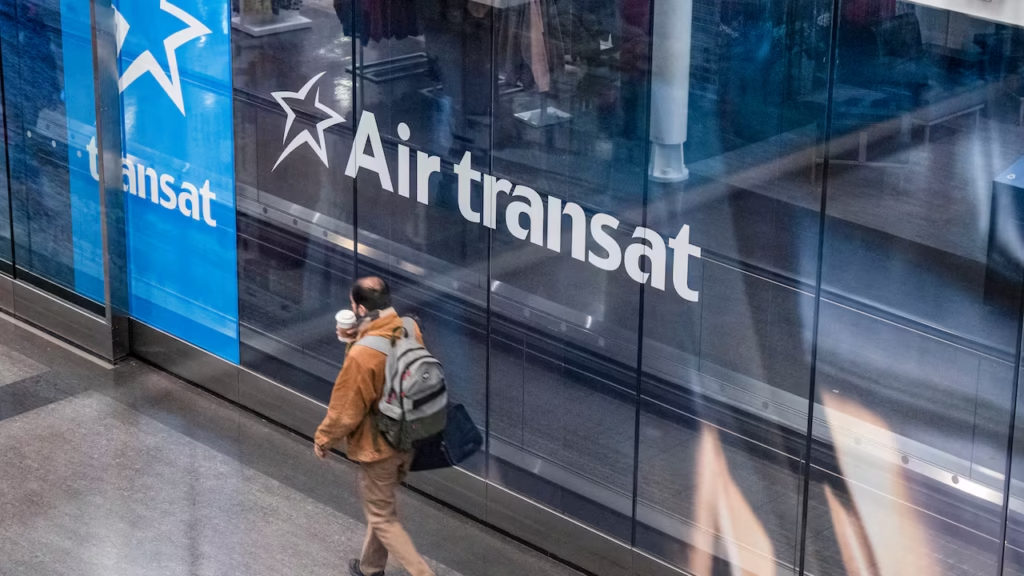
# Sky-High Fuel Costs Ground Air Transat: What Canadian Travelers Need to Know Now
The Canadian aviation industry is facing a new crisis, and this time it has nothing to do with a pandemic. Air Transat, one of the country’s leading leisure airlines, has joined a growing list of carriers being forced to cancel flights as the global oil shock continues to wreak havoc on travel plans. If you have a vacation booked or are planning one, here’s everything you need to understand about this developing situation and how it might affect your summer travel.
## The Perfect Storm Behind the Fuel Crisis
The decision by Air Transat to suspend flights is not an isolated event. It is the latest and most significant sign that Canada’s airline industry is under severe financial pressure from factors completely outside their control.
Air Transat, a Montreal-based carrier specializing in sun destinations and European routes, has historically operated on seasonal demand. When fuel prices remain stable, the business model works. But when oil prices spike dramatically, the math falls apart.
Here are the key factors driving this crisis:
For an industry where profit margins are traditionally razor-thin, this triple threat has made certain flight routes economically impossible to maintain.
## The Impact on Your Summer Travel Plans
If you have already booked a flight with Air Transat for the upcoming season, you are likely feeling anxious and frustrated. You are not alone. Thousands of Canadian travelers are now scrambling to adjust their plans.
What you should do right now:
The suspensions are expected to primarily affect leisure routes. Sun destinations in the Caribbean, Mexico, and Central America are likely to see the most significant disruptions, followed by transatlantic flights to Europe. Domestic routes may be less impacted, but nothing is guaranteed at this point.
## Why This Is Happening Across the Board
Air Transat is not the first Canadian airline to make this move. Over the past few weeks, we have seen similar announcements from other carriers.
WestJet has trimmed its schedule for the summer season, citing fuel costs as a primary factor. Flair Airlines, the ultra-low-cost carrier, has also pulled back on several routes that were previously considered profitable. Even major international carriers operating in Canada are reducing capacity on certain routes.
The message from the industry is clear: this is not a short-term blip. Fuel prices remain stubbornly high, and airlines are now making the difficult decision to prioritize financial survival over market share.
For passengers, this means several uncomfortable realities:
## The Cruel Irony for Canadian Aviation
It is hard not to notice the unfortunate timing of this crisis. After surviving two years of border closures, travel restrictions, and mandatory quarantines, the industry was finally seeing light at the end of the tunnel. Travel demand rebounded strongly in 2023 and early 2024.
Now, just as Canadians were ready to book their summer getaways, the fuel shock has hit.
The irony is not lost on industry observers. Airlines spent the pandemic restructuring, cutting costs, and preparing for recovery. They did not budget for oil prices at levels not seen in over a decade. The result is that the recovery is now being choked off by market forces that no airline can control.
## What Industry Experts Are Saying
Aviation analysts are divided on how long this crisis will last. Some believe that oil prices will stabilize as geopolitical tensions ease. Others warn that structural changes in global energy markets mean that cheap jet fuel may be a thing of the past.
One thing experts agree on: the era of ultra-cheap air travel in Canada may be ending, at least for now.
The country has always faced unique challenges for aviation. Our large landmass, relatively small population spread across a wide area, and limited competition on many routes all contribute to higher baseline costs. When you add fuel price shocks on top, the entire system becomes fragile.
## Looking Ahead: What to Expect
Air Transat has not provided a specific timeline for when the suspensions will end. In their official statement, the airline said they will “continue to monitor the fuel price situation closely.”
For travelers, here is what to expect in the coming months:
## Final Thoughts for Canadian Travelers
The Air Transat suspension is a stark reminder that in the travel industry, stability is never guaranteed. Just when we thought the pandemic-related disruptions were behind us, a new challenge has emerged.
If you are one of the affected passengers, take action quickly. Contact the airline, understand your rights, and explore alternatives. Do not assume that your flight will be rebooked automatically—proactive communication is essential.
For those planning future travel, this is a time to be cautious. Book with airlines that have strong financial backing, consider purchasing comprehensive travel insurance, and remain flexible with your dates and destinations.
The situation remains fluid. As fuel prices continue to fluctuate and airlines adjust their schedules, we will keep you updated with the latest information. Subscribe to our blog for ongoing coverage of this developing story and other important Canadian travel news.
Stay patient, stay informed, and do not give up on your travel dreams. The skies will clear eventually—it is just going to take a little longer and cost a little more than we hoped.

