
Canada committed to LGBTQ+ protections, ministry confirms
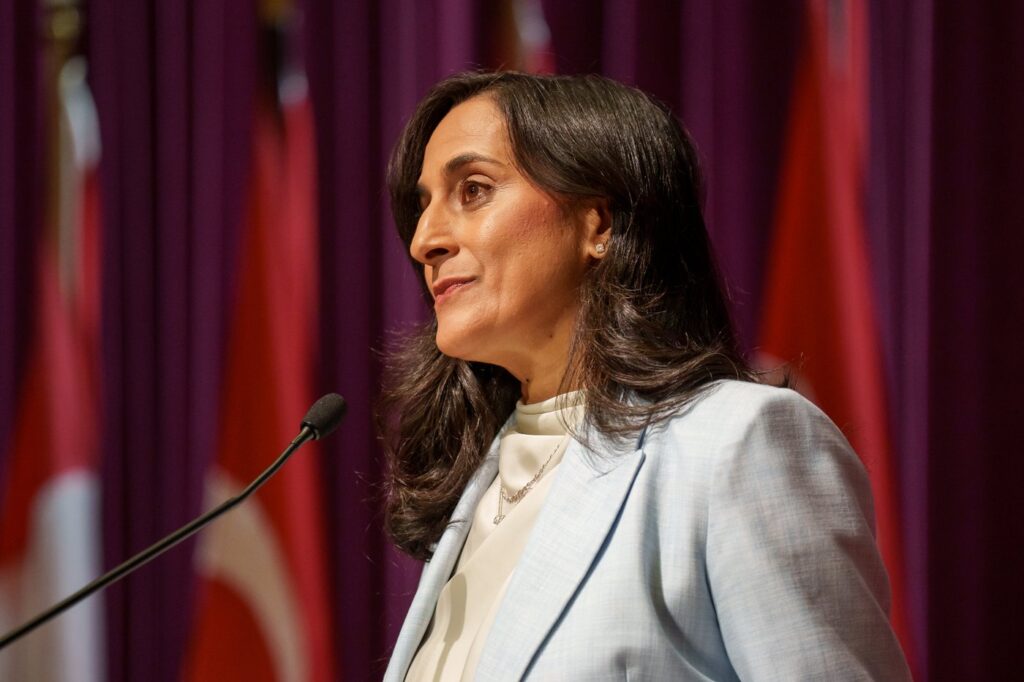
Foreign Affairs Minister Anita Anand reaffirms Canada’s dedication to LGBTQ+ rights after remaining silent on Turkey’s recent crackdown against activists and organizations.
LGBTQ+ rights Canada
Canada’s Quiet Stance on Turkey’s Actions Against LGBTQ+ Groups
Canada has found itself in an awkward position following Turkey’s recent actions against LGBTQ+ organizations and activists. While Germany, France, and several other nations publicly condemned Ankara’s raids on multiple LGBTQ+ groups and the detention of hundreds of activists last week, Ottawa remained silent on the matter. The lack of public response raised questions about Canada’s commitment to defending marginalized communities abroad, particularly when diplomatic and trade relationships are at stake.
Global Affairs Canada did eventually respond to media inquiries, but the response was notably generic. Rather than specifically addressing Turkey’s actions, the department issued a statement saying it supports democracy and minorities—language broad enough to avoid naming any particular country or situation. This vague approach contrasted sharply with the direct condemnations issued by other Western allies.
Why Canada’s Silence Matters in the Context of Trade Negotiations
The timing of Canada’s non-response is significant. The Carney government is currently negotiating a free-trade agreement with Turkey, a detail that helps explain the diplomatic caution. Prime Minister Mark Carney has already indicated he intends to limit public criticism of human rights concerns in countries where Canada has major economic interests, explicitly mentioning China and Saudi Arabia as examples of this approach.
This strategy reveals a fundamental tension in international relations: how to balance economic partnerships with advocacy for vulnerable populations. Trade agreements represent substantial economic opportunities for Canadian businesses and workers, yet public silence on human rights violations can appear to tacitly accept or tolerate abuses.
Anand’s Response: Reaffirming Support Without Naming Turkey
Foreign Affairs Minister Anita Anand addressed the criticism directly, stating that Canada does not stand for discrimination or mistreatment of LGBTQ+ people. She indicated that Prime Minister Carney has also been clear on this commitment. However, her statements, like Global Affairs Canada’s earlier response, carefully avoided naming Turkey or specifically referencing the recent raids and detentions.
Anand’s remarks appear designed to reassure LGBTQ+ advocates and allies that Canada’s silence should not be misinterpreted as indifference. Yet the gap between internal commitment and public action remains visible. Words of support carry less weight when they come unattached to specific situations or countries.
Parliamentary Pressure From Across Party Lines
Members of Parliament and senators representing multiple parties have not accepted the government’s general assurances. They have called directly on Turkey to end persecution of LGBTQ+ individuals and release those detained for exercising freedom of speech. These lawmakers recognize that generic statements about supporting minorities abroad ring hollow if they are not applied to concrete situations.
The cross-party nature of this pressure indicates that defending LGBTQ+ rights is not a partisan issue in Canada’s Parliament. Whether from Liberal, Conservative, NDP, or Green benches, elected officials are insisting that rhetorical support must translate into public action and accountability when allies fail to respect human rights.
The Broader Pattern of Selective Human Rights Advocacy
Canada’s approach to Turkey reflects a wider pattern. The Carney government has explicitly chosen to deprioritize public human rights criticism in countries where significant trade or diplomatic relationships exist. This creates a hierarchy of accountability: wealthy or economically important allies receive private remonstration at most, while less strategically valuable nations face public scrutiny.
This framework places LGBTQ+ activists in Turkey—or any vulnerable group in a trade partner nation—in a precarious position. International attention and public pressure from governments are often among the few tools available to people facing persecution. Without that pressure, their situation may deteriorate with less global awareness or response.
What Happens When Diplomacy Conflicts With Advocacy
The Turkey situation illustrates why many human rights organizations have long argued that economic interests should not override the defense of fundamental freedoms. Trade negotiations typically span months or years, while the harms being documented in raids and detentions happen immediately and affect real people today.
Some argue that a government can maintain both diplomatic relationships and public positions on human rights—that condemning specific actions does not require severing trade ties. Others contend that public criticism can jeopardize negotiating positions and ultimately harm the broader relationship. Canada’s current government has chosen the latter interpretation, at least for now.
The Role of Silence in International Relations
Silence in diplomacy is rarely neutral. When a country does not publicly respond to actions by an ally, observers—both allies and the country in question—often interpret that silence as tacit acceptance. The targeted groups themselves certainly notice when their government does not speak on their behalf.
For Canadian LGBTQ+ organizations and their international counterparts, the government’s quiet approach has sent a message. It suggests that trade considerations can override public support for persecuted communities. This dynamic may make it harder for Canada to credibly advocate for LGBTQ+ rights in other forums or with other nations in the future.
What Anand’s Statements Actually Commit Canada To
The Foreign Affairs Minister’s assertion that Canada supports LGBTQ+ rights and opposes discrimination is important, but it remains aspirational rather than actionable. Without specific commitments—such as imposing targeted sanctions, conditioning trade benefits on human rights improvements, or formally recognizing Turkey’s actions as violations—the statement functions as reassurance rather than policy.
Anand emphasized that the government’s position is clear, yet clarity requires visible action. Internally, Canada may indeed be raising human rights concerns with Turkish officials through diplomatic channels. However, those private conversations carry little weight if they are not backed by public positions or consequences.
Looking Forward: What Happens Next
The outcome of Canada’s free-trade negotiations with Turkey will be closely watched by human rights advocates. If the agreement proceeds without conditions tied to LGBTQ+ protections or the release of detained activists, it will suggest that economic interests have definitively won out over human rights pressure in this case.
Parliament continues to monitor the situation, and the cross-party calls for action show no signs of abating. The government faces ongoing pressure to explain why trade with Turkey is more important than public support for persecuted communities. How the Carney administration responds to these questions—and whether it shifts its approach—may determine whether Canada’s stated commitment to LGBTQ+ rights is viewed as genuine or merely rhetorical.

