
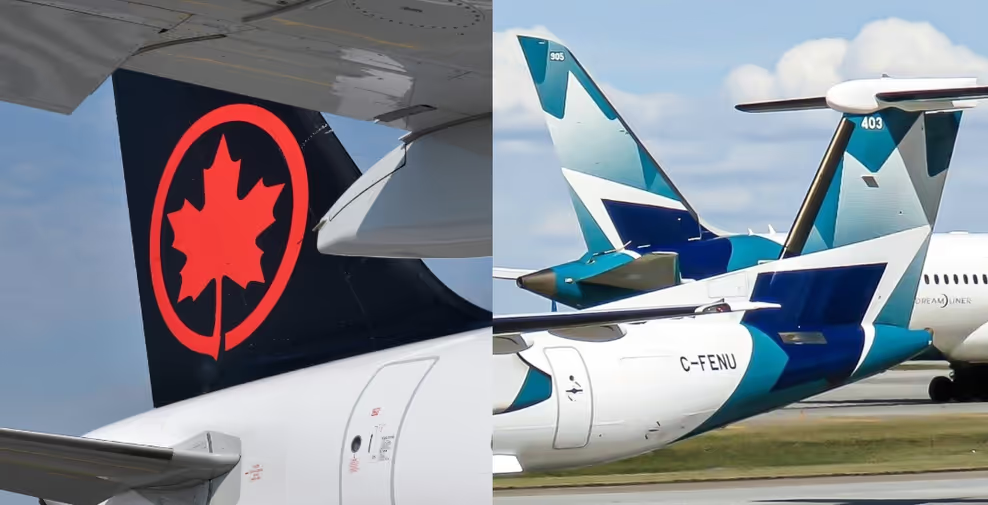
Widespread Canadian Flight Disruptions Leave Hundreds Stranded
A wave of significant flight disruptions swept across Canada recently, creating a ripple effect of delays and cancellations that left hundreds of travelers stranded from coast to coast. Major carriers including WestJet, Air Canada, Porter, Flair, and Canadian North were all impacted, turning travel plans into a logistical nightmare for passengers trying to reach destinations from major hubs to remote communities.
The scale of the disruption was substantial, with data showing a staggering 174 flights delayed and 47 flights canceled in a single day. This event underscores the fragility of air travel networks and the profound impact operational issues can have on passengers, especially in a country as geographically vast as Canada.
A Nationwide Travel Snarl: From Major Hubs to Remote Runways
The disruptions were not confined to a single region or airline, creating a truly nationwide travel snarl. The effects were felt most acutely at some of the country’s busiest airports.
Vancouver International Airport (YVR) and Toronto Pearson International Airport (YYZ), Canada’s two primary global gateways, experienced significant backlogs. Delays and cancellations here created a domino effect, disrupting connecting flights across domestic and international networks.
Perhaps more critically, the disruptions severely affected travel to and from remote and Indigenous communities in Newfoundland and Labrador. Flights to destinations like Goose Bay, Rigolet, and Nain were canceled or severely delayed. For these communities, which often rely heavily on air service for essential travel, medical appointments, and cargo, such cancellations are more than an inconvenience—they represent a critical break in a vital lifeline.
What Caused the Widespread Flight Chaos?
While specific incidents can vary, widespread disruptions of this scale are typically the result of a confluence of factors rather than a single event. In the complex ecosystem of air travel, a problem in one area can quickly cascade across the entire system.
Potential contributing factors to this episode likely included:
- Severe Weather: Unpredictable storms, fog, or high winds in key regions can ground planes and force airlines to implement widespread ground stops for safety.
- Air Traffic Control Constraints: Staffing shortages or technical issues within Canada’s air navigation system, NAV CANADA, can reduce the flow of aircraft, leading to holding patterns and delays.
- Technical Aircraft Issues (Maintenance): Unscheduled maintenance requirements can immediately take an aircraft out of service. With airline fleets operating at high capacity, there is often little slack to absorb these unexpected outages.
- Crew Scheduling Challenges: Strict regulations govern how long pilots and flight attendants can work. If earlier delays cause crews to “time out,” fresh crews must be found, which can be impossible at short notice, leading to cancellations.
- Network Contagion: A major delay early in the day at a hub like Toronto can mean that an aircraft and its crew are out of position for subsequent flights, causing disruptions to snowball across an airline’s entire schedule.
Passenger Rights and Responsibilities During Disruptions
For the hundreds of travelers caught in this web of delays and cancellations, understanding their rights is crucial. Canada’s Air Passenger Protection Regulations (APPR) are designed to hold airlines accountable for disruptions within their control.
Key passenger rights under the APPR include:
- Care and Communication: Airlines must provide timely updates and certain standards of care during lengthy delays, which can include food, drink, and access to communications.
- Rebooking or Refund: If a flight is canceled or delayed by three hours or more, the airline must rebook you on its next available flight or that of a partner airline. If this doesn’t work for you, you are entitled to a refund for the unused portion of your ticket.
- Compensation for Controllable Disruptions: For cancellations or long delays (3+ hours) caused by situations within the airline’s control (not related to safety), passengers may be entitled to monetary compensation ranging from $125 to $1,000, depending on the length of delay and the size of the airline.
It is important to note that compensation is not required for disruptions caused by safety issues or events outside the airline’s control, such as extreme weather.
Proactive Steps for Travelers Facing Cancellations
If your flight is canceled or severely delayed, taking proactive steps can help mitigate the stress:
- Document Everything: Keep all your boarding passes, receipts for unexpected expenses (meals, hotels, taxis), and take screenshots of the airline’s notifications and updated status pages.
- Contact the Airline Immediately: Use their app, website, and call center simultaneously. Be polite but persistent. Often, self-service rebooking via an app can be the fastest option.
- Know Your APPR Rights: Politely reference the Air Passenger Protection Regulations when discussing options with airline staff.
- Submit a Formal Claim: If you believe you are owed compensation or reimbursement for expenses under the APPR, submit a formal claim directly to the airline first. If unresolved, you can escalate your complaint to the Canadian Transportation Agency (CTA).
The Broader Impact on Trust and Travel Planning
Events like this widespread disruption do more than just strand passengers for a day. They erode trust in the air travel system and can have lasting economic impacts. Business trips are missed, family reunions are postponed, and tourism revenue is lost. For remote communities, the consequences are even more direct, potentially affecting the delivery of supplies, medical services, and community connectivity.
The incident highlights the ongoing challenges facing the aviation industry in Canada, including infrastructure pressures, workforce stability, and the need for greater resilience in the face of operational shocks. It serves as a stark reminder for both airlines and regulators that system-wide reliability is paramount.
Looking Ahead: Building a More Resilient System
Preventing such widespread disruptions entirely may be impossible, but mitigating their impact is a critical goal. This requires a multi-faceted approach:
- Increased Transparency: Airlines providing clearer, faster communication about the cause of delays can help passengers make informed decisions.
- Infrastructure Investment: Supporting modernized air traffic control technology and airport facilities can improve efficiency and capacity.
- Robust Contingency Planning: Airlines developing more resilient scheduling and having better resources in place to assist stranded passengers during major meltdowns.
- Passenger Awareness: Travelers educating themselves on their rights and purchasing travel insurance for significant trips can provide a layer of personal protection.
For now, the hundreds of travelers affected from Vancouver to Nain are left navigating the aftermath. Their experiences underscore a universal truth of modern travel: the journey is often the most unpredictable part of the adventure. As the industry works to address its vulnerabilities, passengers are encouraged to plan for the unexpected, know their rights, and advocate for the reliable service they deserve.