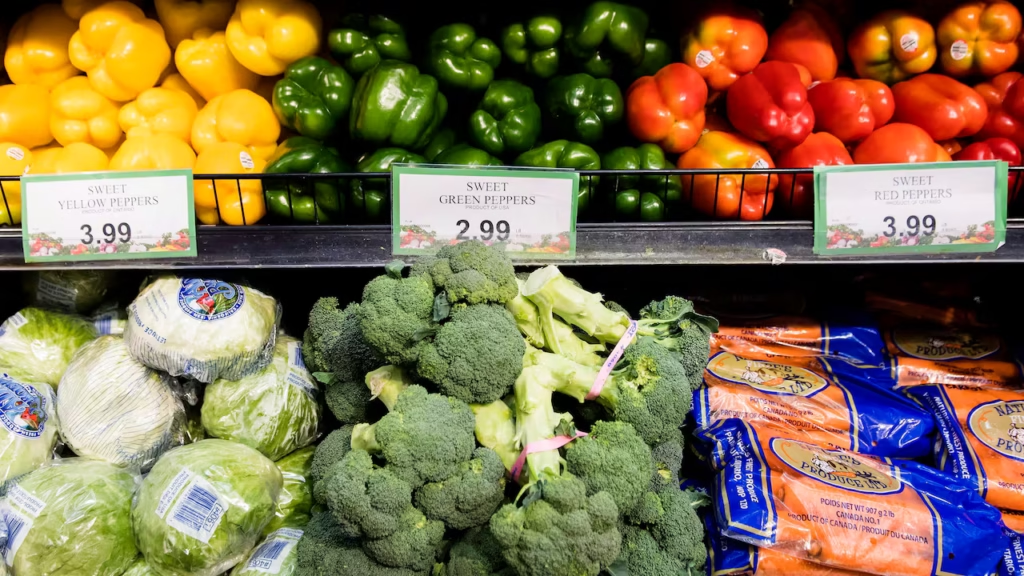
Soaring Fresh Vegetable Prices Squeeze Canadian Grocery Budgets
If you’ve recently found yourself doing a double-take at the total on your grocery receipt, your eyes aren’t deceiving you. A trip down the produce aisle has become a potent reminder of the ongoing cost-of-living crunch. The latest inflation data from Statistics Canada delivers a sobering confirmation: the price of fresh vegetables has surged by 7.8 per cent year-over-year. This isn’t a minor blip on the economic radar; it’s a significant jump that is actively reshaping household budgets and forcing Canadians to rethink their approach to food shopping and meal preparation.
While headlines may focus on easing overall inflation, the reality at the grocery store, particularly in the fresh produce section, tells a different story. The climb in vegetable costs represents a direct hit to one of the most fundamental aspects of a healthy diet, creating a strain that is felt most acutely by families and individuals on fixed incomes. This pressure goes beyond a single costly head of lettuce or a bag of peppers; it’s a widespread trend impacting everything from delicate leafy greens to sturdy root vegetables, turning every dinner recipe into a subtle cost-benefit analysis.
Unpacking the 7.8% Increase: Why Are Our Veggies Costing More?
Understanding the “why” behind the price tag can be a small step toward smarter shopping. The spike in fresh vegetable costs is not attributable to a single cause but is the result of a complex interplay of domestic and global factors converging on our dinner plates.
Climate and Growing Conditions
Canadian agriculture is intimately tied to the weather, and increasingly, to climate volatility. Unpredictable frosts, droughts, or excessive rainfall in key growing regions—both within Canada and in major import sources like California and Mexico—can devastate crop yields. A poor harvest for lettuce or broccoli means lower supply, which inevitably drives up prices. This variable is becoming less of an exception and more of a recurring challenge for growers.
The Persistent Supply Chain Puzzle
While some pandemic-era disruptions have eased, the global supply chain remains fragile. Higher costs for transportation and logistics—from fuel for trucks and ships to shortages of critical components—continue to add layers of expense. These costs are ultimately absorbed somewhere in the chain, often landing on the price sticker at your local supermarket. Every kilometre a tomato travels now carries a heavier financial burden.
Currency Fluctuations and Input Costs
Canada imports a substantial portion of its fresh vegetables, especially during the winter months. When the Canadian dollar weakens against its U.S. counterpart, the price of those American-grown goods rises accordingly. Furthermore, farmers everywhere are grappling with skyrocketing input costs: expensive fertilizer, natural gas for greenhouses, and rising wages. To stay viable, these increased costs of production are passed down the line.
Beyond the Headline: The Ripple Effect on Canadian Households
A 7.8% national average is more than just a statistic; it has tangible, daily consequences. For many, it means making difficult choices. Some households may reduce the variety or quantity of fresh vegetables they buy, potentially compromising nutritional intake. Others may find themselves allocating a larger portion of their weekly food budget to produce, leaving less for other essentials. This economic pressure can also deepen food insecurity, making access to fresh, healthy food even more challenging for vulnerable populations.
The psychological impact is also real. The grocery store, once a place of routine, can become a source of stress and anxiety. The joy of cooking can be dampened by the constant calculation of cost per serving. This shift underscores a broader conversation about food affordability and resilience in the face of interconnected global and economic forces.
Your Action Plan: Smart Strategies to Counteract Rising Produce Prices
While the macroeconomic factors may feel beyond our control, there are numerous practical and effective strategies to navigate this new reality. Facing higher prices doesn’t require abandoning nutritious eating; it calls for becoming a more adaptable, informed, and strategic shopper and cook.
Become a Seasonal Connoisseur
This is the golden rule for cost-effective produce shopping. Fruits and vegetables in their natural harvest season are more abundant, which directly translates to lower prices.
*
- Investigate what’s in season in your province each month. A local seasonal food guide can be a kitchen essential.
*
- Embrace the hearty vegetables of fall and winter—like squash, parsnips, and beets—which are often budget-friendly and incredibly versatile for soups, roasts, and stews.
*
- Plan your weekly meals around these seasonal stars to maximize savings and flavor.
Rethink “Fresh” and Embrace the Freezer Aisle
The freezer section is a secret weapon for nutrition and budget. Modern freezing techniques like flash-freezing lock in nutrients at peak freshness.
*
- Stock up on frozen peas, corn, spinach, broccoli, and mixed vegetable blends. They are perfect for adding to pastas, stir-fries, casseroles, and smoothies.
*
- Frozen vegetables have a dramatically longer shelf life, eliminating the worry of spoilage and waste.
*
- Don’t hesitate to freeze your own fresh produce if you find a good deal or have a surplus from your garden.
Declare War on Food Waste
Throwing away spoiled produce is literally like throwing money in the compost bin. A strategic approach to kitchen management can recoup significant savings.
*
- Plan before you shop: Check your fridge and pantry, make a list, and stick to it to avoid impulse buys that may not get used.
*
- Practice “first-in, first-out”: Store newer items behind older ones and consciously use up the most perishable veggies (like leafy greens) early in the week.
*
- Get creative with scraps: Onion skins, carrot tops, celery ends, and herb stems can be simmered into a flavorful homemade vegetable broth. Stale bread becomes croutons; wilting herbs can be blended into pesto.
Explore Affordable and Versatile Staples
Some vegetables deliver exceptional nutritional bang for your buck, store well, and form the backbone of countless dishes.
*
- Cabbage: Incredibly cheap, lasts for weeks, and can be used in slaws, salads, stir-fries, soups, and ferments like sauerkraut.
*
- Carrots & Onions: These foundational aromatics are almost always affordable and are the start of nearly every great soup, sauce, and stew.
*
- Potatoes & Sweet Potatoes: Filling, nutritious, and incredibly versatile. They can be roasted, mashed, baked, or added to curries and soups for hearty sustenance.
*
- Beans & Lentils: While not fresh vegetables, incorporating more plant-based proteins into meals can stretch your meat budget and free up funds for fresh produce. They are nutritional powerhouses and extremely cost-effective.
Consider Alternative Shopping Venues
Break the habit of shopping at a single store.
*
- Explore local farmers’ markets near closing time for potential deals.
*
- Check out ethnic grocery stores, which often have excellent prices on staple vegetables, herbs, and spices.
*
- If you have the storage space, consider buying certain non-perishable or long-lasting items in bulk from wholesale clubs.
Cooking Through the Crunch: Building a Resilient Kitchen
The current climate is an opportunity to rediscover foundational cooking skills that prioritize value and flavor. Learning to make a big pot of soup, a versatile stir-fry, or a hearty roasted vegetable medley can transform affordable ingredients into satisfying meals. This shift isn’t about deprivation; it’s about empowerment—taking control of your food budget through knowledge and adaptability.
The 7.8% rise in fresh vegetable prices is a clear signal of our interconnected food system’s vulnerabilities. It reinforces that our personal food habits are linked to global supply chains, climate patterns, and economic forces. By becoming more mindful consumers—choosing seasonal, reducing waste, and embracing culinary flexibility—we can buffer our households against these shocks. The goal remains the same: to nourish ourselves and our families with healthy, delicious food. It’s the path to getting there that has become our latest kitchen challenge.
**How are you adapting your grocery shopping with these rising costs? We’re all in this together! Share your best money-saving tips for buying and using fresh produce in the comments below.**