
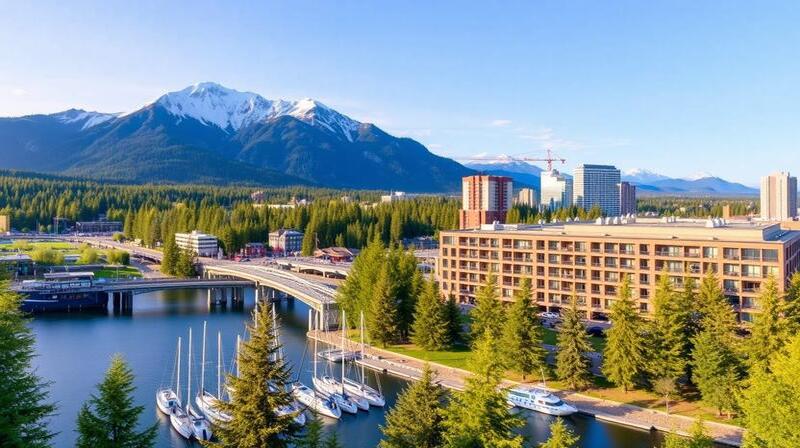
Canada’s 2025 Hotel Boom Led by British Columbia and Ontario
Canada’s hospitality sector is not just recovering; it’s soaring to unprecedented heights. The year 2025 is shaping up to be a landmark period for the nation’s hotel industry, with performance metrics shattering pre-pandemic records and painting a picture of robust economic health and surging traveler demand. While the growth is nationwide, the story is powerfully driven by the stellar performances of British Columbia and Ontario, with Alberta and other regions adding critical depth to a truly national success story.
This record-breaking boom, however, is not uniform. It reveals fascinating regional variations, underscoring diverse economic drivers, tourism strategies, and market dynamics across the provinces. Let’s dive into the data and trends defining Canada’s extraordinary hotel performance in 2025.
A Nationwide Surge: Setting the Stage for Record Performance
The foundation of 2025’s success is built on a powerful confluence of factors. Pent-up demand for travel, both domestic and international, continues to be a primary engine. Major cities are witnessing a strong return of business travel, conferences, and international events, while leisure travel remains resilient, with travelers seeking both iconic urban experiences and pristine natural escapes.
Furthermore, a relatively favorable economic climate and increased air connectivity have made Canada a highly attractive destination for overseas visitors, particularly from the United States, Europe, and Asia-Pacific regions. This has translated directly into higher occupancy rates, increased average daily rates (ADR), and consequently, a significant rise in Revenue Per Available Room (RevPAR)—the key metric of hotel profitability.
The Provincial Powerhouses: A Closer Look at Regional Leaders
The national narrative is compelling, but the true intrigue lies in the provincial breakdown. The growth is led by distinct regional champions, each with its own unique appeal.
British Columbia: The Pacific Coast Juggernaut
British Columbia stands at the forefront of Canada’s hotel boom. The province’s performance is a masterclass in leveraging diverse tourism assets.
- Vancouver’s Allure: The metropolis continues to be a major draw, with its cruise ship terminal, convention center, and vibrant cultural scene driving consistent demand. Major events and a thriving tech sector fuel both leisure and corporate travel.
- Natural Wonders & Resort Destinations: Beyond the city, destinations like Whistler, Victoria, and the Rocky Mountain towns are experiencing phenomenal growth. The global desire for outdoor adventure, wellness retreats, and luxury in nature is perfectly met by BC’s landscape, pushing resort and boutique hotel performance to new peaks.
- Strategic Tourism Marketing: Targeted campaigns promoting Indigenous tourism, culinary experiences, and sustainable travel have broadened BC’s appeal to a more discerning, high-spending traveler.
Ontario: The Economic and Cultural Heartbeat
Ontario’s hotel sector is thriving on the back of its immense economic and cultural gravity.
- Toronto’s Dominance: As Canada’s financial and business capital, Toronto sees relentless demand from corporate travel, international finance, and a packed calendar of global sporting events, concerts, and festivals. Its airport is a crucial international hub.
- Beyond the GTA: Regions like Niagara Falls, Ottawa, and Muskoka are key contributors. Niagara’s enduring tourist appeal, Ottawa’s status as the national capital with its museums and political activity, and Muskoka’s cottage-country luxury market create a well-rounded provincial portfolio that captures every segment of traveler.
Alberta: The Resilient Contender
While often highlighted for its energy sector, Alberta’s tourism and hospitality story is one of powerful resilience and strategic diversification.
- Banff and Jasper’s Global Icon Status: The mountain national parks remain bucket-list destinations for international travelers, commanding premium rates and experiencing extended seasons.
- Calgary’s Event-Driven Economy: The city’s world-famous Stampede and growing reputation as a hub for tech and innovation conferences create significant, high-volume spikes in hotel demand.
- Edmonton’s Diversification: Investments in attractions like the Ice District and a focus on becoming a year-round destination are helping to stabilize and grow the capital city’s hotel market.
Understanding the Driving Forces Behind the Boom
Several key factors are fueling this nationwide performance surge:
- The Return of Major Events: From international sports competitions to large-scale conventions and music festivals, events are back in full force, filling hotel rooms and boosting local economies.
- The Blurring of Travel Segments: “Bleisure” (business + leisure) travel is a major trend. Professionals are extending work trips, and remote workers are engaging in “workations,” often in premium accommodations, driving up length of stay and spend.
- Infrastructure and Investment: Recent years have seen significant investment in airport expansions, new hotel developments (particularly in the upscale and lifestyle segments), and tourism infrastructure, enhancing capacity and appeal.
- Strategic Government Support: Federal and provincial tourism marketing agencies have been aggressive in promoting Canada abroad, while visa facilitation programs have made entry smoother for key markets.
Navigating Challenges and Regional Variations
Despite the glowing numbers, the industry faces headwinds that contribute to regional variations.
- Labor Market Pressures: A tight labor market continues to challenge hotels across the country, impacting service levels and operational capacity, potentially capping growth in some areas.
- Supply Chain and Operating Costs: Inflationary pressures on food, energy, and supplies squeeze profitability, forcing careful management of rate strategies.
- The “Have” and “Have-Not” Dynamic: While BC, Ontario, and Alberta soar, some other regions, particularly those reliant on a single industry or slower to regain air connectivity, may see more modest growth. This highlights the importance of diversified local economies and tourism offerings.
- Sustainability Imperative: Travelers are increasingly valuing sustainable practices. Hotels that invest in green initiatives are not only meeting a moral imperative but are also gaining a competitive marketing edge.
The Outlook: Sustaining Momentum in a Dynamic Market
The question on everyone’s mind is whether this boom is sustainable. The outlook for the remainder of 2025 and beyond remains cautiously optimistic. The fundamental drivers—Canada’s global appeal, economic stability, and diverse offerings—are strong.
However, the industry’s future success will depend on its ability to adapt. This means:
- Continuing to invest in workforce development and retention.
- Embracing technology to enhance guest experience and operational efficiency.
- Doubling down on sustainable and authentic experiences that differentiate Canadian destinations.
- Ensuring tourism growth benefits communities and is managed responsibly to avoid overtourism in delicate areas.
Canada’s 2025 hotel performance is more than a set of impressive statistics; it’s a testament to the country’s resilience and appeal on the world stage. The leadership shown by British Columbia and Ontario, supported by strong showings in Alberta and other regions, creates a powerful national narrative. By understanding the regional variations and proactively addressing challenges, Canada’s hospitality industry is poised not just for a record-breaking year, but for a thriving and sustainable future as a top global destination.

