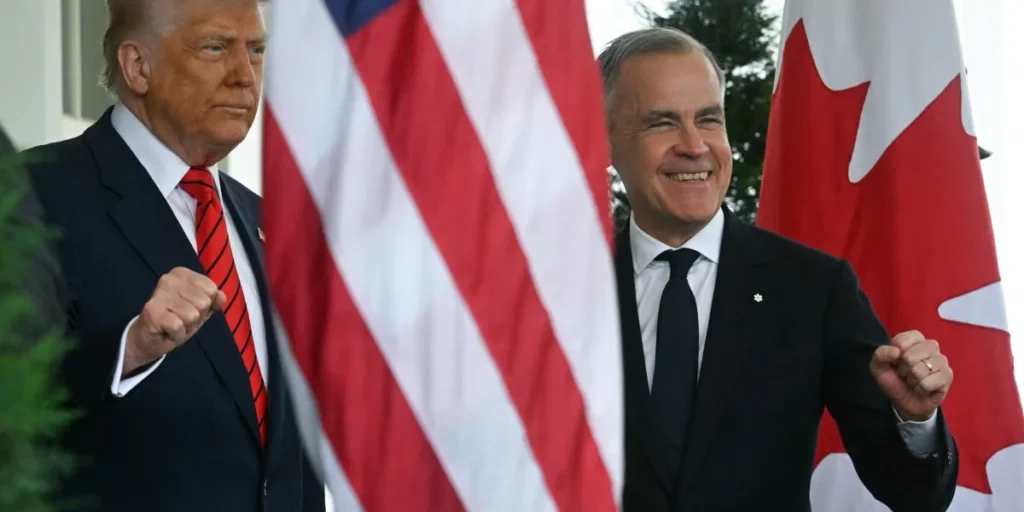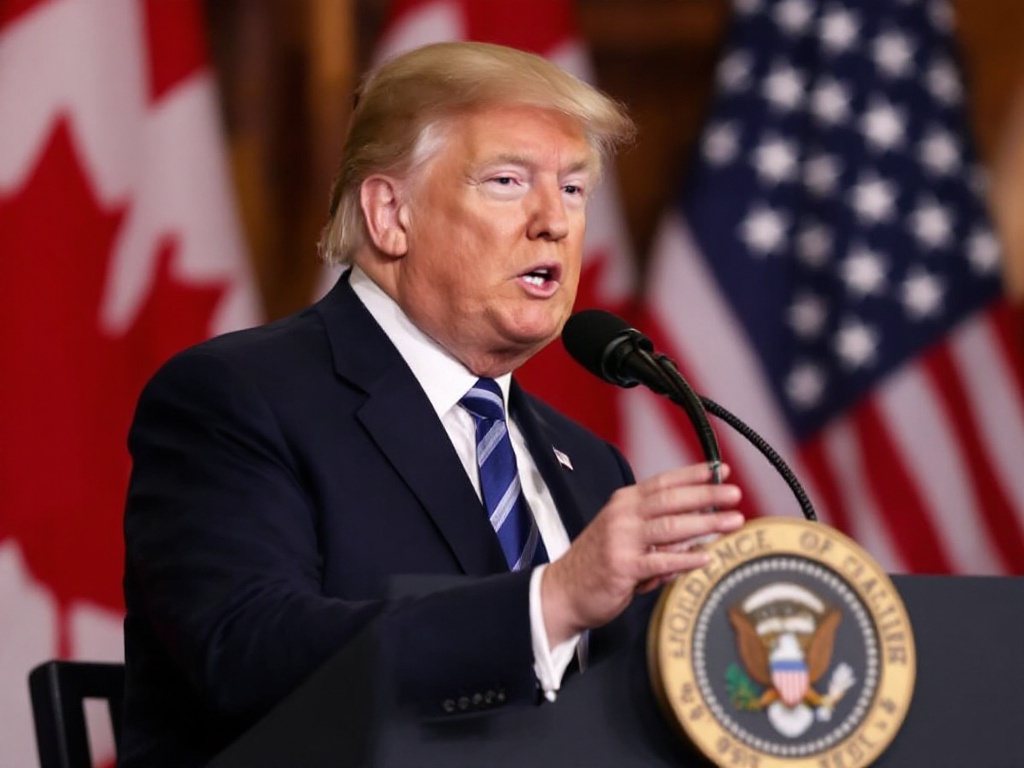
Canada’s commerce strikes face Trump scrutiny
Canadian commerce bulletins usually draw unfavourable reactions from U.S. President Trump, in accordance with analysts monitoring bilateral relations carefully.
Trump commerce tensions
When Canadian bulletins turn out to be American headlines
Each time Canada makes a commerce announcement, officers brace for potential backlash from south of the border. The stress between Canadian coverage strikes and U.S. President Trump’s unpredictable responses has turn out to be a defining characteristic of contemporary bilateral relations.
Commerce consultants say this dynamic creates a fragile balancing act for Canadian policymakers. They have to pursue home pursuits whereas rigorously managing how their choices could be interpreted in Washington.
Why Trump views Canadian commerce strikes negatively
President Trump has constantly framed commerce via a lens of American benefit and drawback. When Canada pronounces commerce offers or coverage shifts, he usually perceives them as strikes that profit Canada at American expense.
This angle stems from Trump’s transactional strategy to worldwide commerce. He views each announcement via the prism of whether or not it helps or hurts U.S. pursuits, leaving little room for diplomatic nuance.
The sample analysts have noticed
Observers monitoring U.S.-Canada relations have seen a constant sample over latest years. Main Canadian commerce bulletins ceaselessly set off essential feedback or threats of retaliatory measures from the American president.
This unpredictability makes long-term planning troublesome for Canadian companies and authorities officers. Corporations cannot at all times predict how Washington will reply to coverage modifications introduced in Ottawa.
What this implies for Canadian technique
Canadian officers now think about potential Trump reactions when crafting commerce coverage. The purpose has turn out to be minimizing unfavourable interpretations fairly than merely pursuing optimum financial outcomes.
This defensive posture displays the fact of coping with an American chief who prioritizes confrontational messaging over consensus-building in commerce relationships.