
The Coming Wave: Why Cancer Diagnoses Are Set to Impact Half of All Canadians
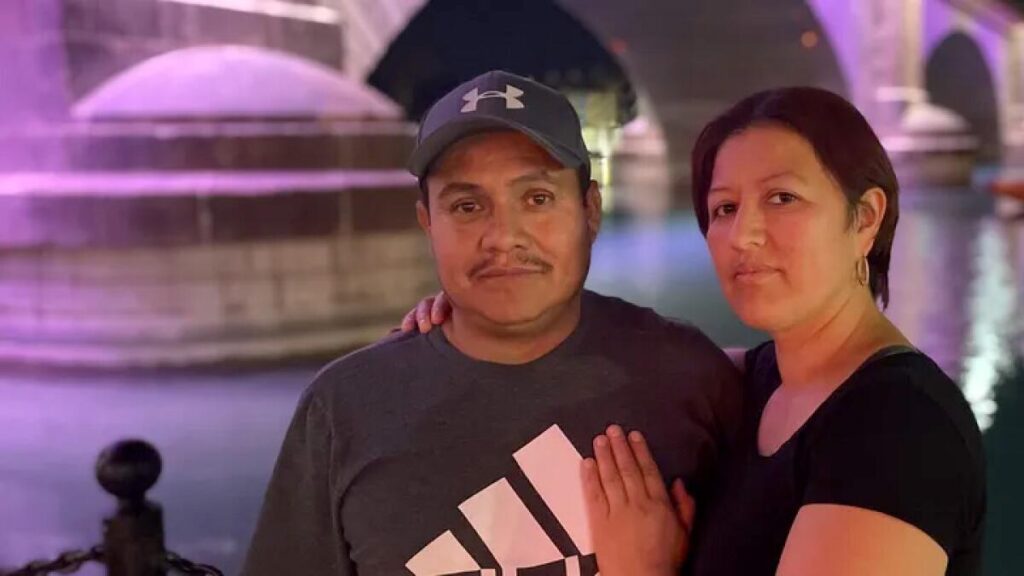
It begins not with a statistic, but with a story. A family, bound by love and shared history, now finds itself navigating a landscape no one would choose. First, a mother receives the news. Then, a wife. Finally, the man himself. A triple cancer diagnosis, a wave of illness crashing over a single household, reshaping their world with each devastating revelation. This is not an abstract medical concept; it is a raw, human experience of pain, resilience, and fear.
And tragically, this family’s story is no longer a rare anomaly. It is a heartbreaking microcosm of a looming national health reality. A powerful new report projects a future where cancer touches almost every Canadian family with a startling new intimacy. The data presents a sobering forecast: by the year 2050, nearly one in every two Canadians can expect to receive a cancer diagnosis in their lifetime.
This projection is more than a number on a page. It is a urgent signal, a clarion call for a nation to look ahead and prepare. While the core message is one of a significant challenge, it is also layered with strands of hope and clear pathways for action. The future of cancer in Canada is being written now, in our research labs, our public health policies, and our daily choices.
The Hard Numbers: Understanding the 2050 Projection
The landmark analysis, which has sent ripples through the Canadian healthcare community, paints a detailed picture of our demographic future. The primary engine driving this increase is unmistakable: Canada’s aging population.
Cancer is largely a disease of aging. As our body’s cells divide over a lifetime, the chance for errors—mutations that can lead to cancer—increases. With the large Baby Boomer generation moving into their senior years, and with Canadians living longer than ever before, the sheer number of people in the high-risk age bracket is growing exponentially.
Consider this: the number of new cancer cases diagnosed annually in Canada is expected to rise dramatically over the next three decades. This isn’t due to a sudden new carcinogen in our environment, but a simple, powerful demographic shift. We are, as a population, getting older. And an older population means more people will face a cancer diagnosis.
However, to attribute the entire projection solely to aging would be to miss critical nuances. The report carefully outlines other contributing factors that intersect with our aging society, creating a complex web of cause and effect that we must untangle.
Beyond Aging: The Contributing Factors
While demographics set the stage, other elements are intensifying the play. These are areas where focused intervention can truly alter the trajectory.
- Prevention Gaps: Known, modifiable risk factors continue to drive incidence rates. Tobacco use, unhealthy diets, physical inactivity, alcohol consumption, and exposure to environmental carcinogens (like UV radiation) remain stubbornly prevalent. Each of these represents a preventable pathway to cancer that we have not yet fully closed.
- Screening Limitations: Early detection saves lives, but access to and uptake of proven screening programs for cancers like breast, cervical, colorectal, and lung cancer are not yet universal. Logistical barriers, awareness gaps, and systemic inequities mean that many cancers are caught at later, more difficult-to-treat stages.
- Healthcare System Capacity: Our systems are already straining. The coming wave of cases will demand more of everything: more oncologists, nurses, and radiologists; more diagnostic imaging machines and operating room time; more supportive care and palliative services. Without significant investment and planning, delays in diagnosis and treatment could worsen, affecting survival outcomes.
A Message of Cautious Hope: Survival Rates Are Improving
Amidst the daunting projections, the report carries a vital, hopeful counter-narrative: more people are surviving cancer today than ever before. This is not a small point; it is the result of decades of relentless effort and innovation.
Advances in treatment are revolutionizing care. From more precise and effective chemotherapy drugs to targeted therapies that attack specific cancer cell mutations, and revolutionary immunotherapies that harness the body’s own immune system, the arsenal against cancer is growing more sophisticated every year.
Furthermore, improvements in early detection through better screening technologies and public awareness campaigns mean cancers are being found when they are most treatable. Investments in research have directly translated into longer, higher-quality lives for patients. This progress proves that the forecast is not a fate, but a framework. It tells us where we must channel our energy and resources to ensure the rising number of diagnoses does not become a rising number of deaths.
The Human Cost: When Statistics Have a Face
This is where we return to the story of the family. The “triple diagnosis” narrative forces us to move beyond the macro view. It personalizes the pressure that will be placed on family caregivers, the emotional toll on loved ones, and the sequential strain on home care and community support networks. It highlights that cancer is never just one patient’s journey; it is a family’s journey, a community’s responsibility.
This story underscores the urgent need for a healthcare system that sees not just the disease, but the whole person and their support network. It calls for integrated care that includes mental health support, financial navigation help, and robust palliative care—services that are as crucial as any surgery or drug.
Answering the Call to Action: A Multifaceted Strategy
The report is ultimately a blueprint for action. To meet the challenge of 2050, we must adopt a aggressive, multi-pronged strategy starting today.
1. Double Down on Prevention: Public health initiatives must be strengthened and innovated.
- Aggressive anti-tobacco and vaping campaigns.
- Policies that make healthy food more accessible and discourage excessive alcohol consumption.
- Urban planning that promotes active lifestyles.
- Clear regulations and public education on environmental risks.
2. Revolutionize Early Detection: We must make screening easier, more accessible, and more advanced.
- Invest in and deploy emerging technologies like liquid biopsies for earlier, less invasive detection.
- Remove barriers to existing screening programs, particularly for rural, remote, and equity-seeking communities.
- Launch public awareness campaigns that address fear and misinformation head-on.
3. Future-Proof Our Healthcare System: Strategic investment is non-negotiable.
- Train and retain more oncology healthcare professionals.
- Expand diagnostic and treatment infrastructure to reduce wait times.
- Integrate artificial intelligence and digital tools to streamline care and support clinical decisions.
- Invest massively in home care and community support to keep people out of hospitals where appropriate.
4. Sustain the Research Engine: Continued funding for basic, clinical, and translational research is the bedrock of future hope. The treatments that will save lives in 2040 are in a lab today.
The story of one family’s struggle with cancer is a powerful reminder of what’s at stake. The projection that half of us will face this diagnosis is a sobering metric of the task ahead. But within that challenge lies our directive. By choosing prevention, championing innovation, and building a system of compassion and capacity, we can change the meaning of that statistic. We can ensure that in 2050, a cancer diagnosis, while common, is far more often a story of survival, support, and hope. The time to act is now.

