
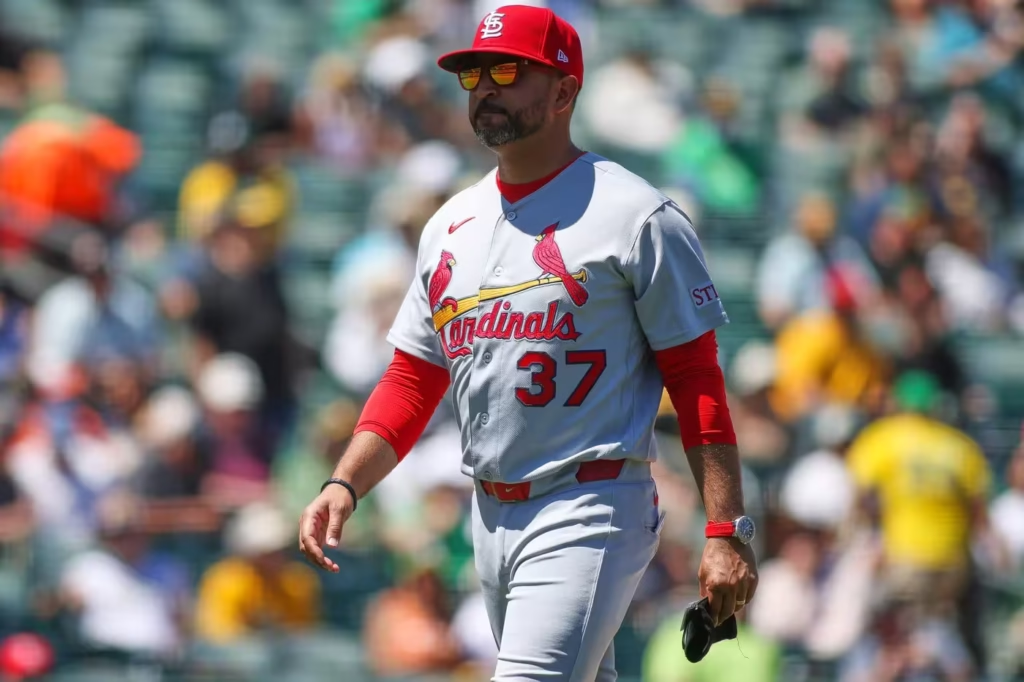
Cardinals Manager Marmol Buys Tickets for Shirtless Fan Celebration
In a moment that perfectly encapsulates the unpredictable charm of Major League Baseball, St. Louis Cardinals manager Oliver Marmol turned a viral wardrobe malfunction into a masterclass in fan engagement.
What began as a spontaneous display of shirtless enthusiasm from a die-hard supporter has evolved into a remarkable gesture of goodwill from the team’s skipper. When a Cardinals fan shed his jersey during a recent game and began waving a cardboard helmet above his head, the moment went viral.
Rather than scold the fan or dismiss the spectacle, Marmol responded with an offer that stunned the baseball world: he would personally purchase tickets for a group of fans to recreate the very same shirtless revelry at a future game.
This is not just a quirky headline. It is a case study in modern sports leadership, organic marketing, and the powerful bond between a franchise and its most passionate supporters.
The Viral Moment That Captured Baseball’s Attention
The incident occurred during a mid-season contest at Busch Stadium. As the Cardinals mounted a rally, cameras caught a male fan in the stands standing tall, shirt removed, using a foam Cardinals batting helmet as an improvised rally cap. He spun it overhead with the fervor of a helicopter rotor, fully committed to the cause.
The broadcast cut to him multiple times, and social media erupted.
Within hours, the clip had been shared across every major platform. Baseball fans debated the etiquette of shirtless cheering, while others celebrated the raw, unfiltered energy. Most managers would have issued a neutral comment or ignored the moment entirely. Marmol chose a different path.
During a post-game press conference, a reporter asked Marmol about the fan. Without hesitation, the manager smiled and said, “I’ll buy tickets for the guy to do it again. I want to see that energy at every game.”
The statement was not rehearsed. It was spontaneous. And it resonated.
Why Marmol’s Move Was a Strategic Masterstroke
As a baseball insider, I have watched countless managers handle fan incidents with a corporate, risk-averse mindset. Marmol broke that mold. His offer was not a PR stunt cooked up by a marketing department. It was an authentic reaction from a leader who understands the soul of the game.
Here is why this matters from a leadership and branding perspective:
- Authenticity drives loyalty: Fans can smell a manufactured moment from a mile away. Marmol’s unscripted response demonstrated genuine appreciation for fan passion.
- Turning a distraction into an asset: What could have been dismissed as a sideshow became a unifying celebration of fandom.
- Building a culture of engagement: When the manager himself acknowledges and rewards fan behavior, it signals that the organization values energy over etiquette.
This was not a calculated decision. It was an emotional, human one. And in the world of sports marketing, that is worth more than any paid advertisement.
The Psychology Behind the Ticket Offer
Let’s step into the mindset of a baseball manager. Marmol has a team to manage, a division to win, and a city of expectations to carry. Yet he paused to recognize a single fan’s joy.
Psychologically, this taps into what sports psychologists call “reciprocal fan investment.” When a fan feels seen and valued by the organization, their emotional attachment deepens. They become not just a ticket buyer, but an ambassador.
Marmol’s offer also creates a powerful social currency for the franchise. The story spreads organically because it feels good. It reinforces the idea that the Cardinals are a family, not a corporation.
- Increased fan engagement: Fans now actively seek ways to get noticed, hoping for similar recognition.
- Positive media coverage: National outlets picked up the story, giving the Cardinals free exposure that money cannot buy.
- Humanizing the manager: Marmol becomes relatable, approachable, and beloved beyond his win-loss record.
Historical Precedents: When Managers Connect With Fans
Marmol is not the first manager to embrace fan passion, but he may be the most creative in recent memory. Compare this to other iconic fan-manager interactions:
- Tommy Lasorda once invited a fan who heckled him to dinner. The fan became a lifelong Dodger supporter.
- Joe Maddon famously brought a magician and a therapy goat to the clubhouse to loosen up his teams. He understood that baseball is entertainment.
- Ozzie Guillén regularly interacted with fans in the stands, blurring the line between player and spectator.
What sets Marmol apart is the financial commitment. He put his own money on the table. That small detail changes the entire narrative. It is one thing to say, “We love our fans.” It is another to reach into your wallet to prove it.
What This Means for the Cardinals Brand
The St. Louis Cardinals have long been known as one of baseball’s most storied franchises. Their brand is built on tradition, class, and community. Some purists might argue that encouraging shirtless behavior undermines that image.
I disagree.
Evolution does not mean abandoning tradition. It means adapting to a new generation of fans without losing your soul. The Cardinals remain a class organization. But they also recognize that modern fandom is loud, visual, and digital.
This gesture signals that the Cardinals welcome all forms of enthusiasm. Whether you wear a suit or a bare chest, you are part of the family.
The Business Side of the Gesture
Ticket sales for the game where the fan will recreate the moment are expected to spike. Merchandise sales for foam helmets and rally caps may follow. The economic ripple effect is tangible.
But the real return is emotional equity. The Cardinals just purchased goodwill at a very low price. A few tickets exchanged for headlines that will last through the offseason.
Fan Reaction: The Internet Weighs In
Social media reaction was overwhelmingly positive. Fans praised Marmol for being “a real one” and “the coolest manager in baseball.” A few detractors argued that the stunt rewarded inappropriate behavior, but they were drowned out by the chorus of approval.
The shirtless fan himself, whose identity has been protected for now, reportedly accepted the offer. The date has not been announced, but anticipation is building.
The Bigger Picture: Lessons for Sports Organizations
Every team in every sport should take notes. Here is what Marmol’s decision teaches us about modern fan relations:
- Listen to the crowd. The best ideas often come from the fans themselves. Marmol saw joy and amplified it.
- Be human first. Corporate responses kill spontaneity. Let your leaders show personality.
- Embrace the absurd. Baseball is a game. It should be fun. Sometimes fun looks like a shirtless man waving a helmet.
- Spend money on memories. A few hundred dollars on tickets can generate millions in goodwill.
Final Verdict: A Home Run for Fan Relations
Oliver Marmol did not set out to make headlines. He set out to acknowledge a fan who loved his team. The result was a story that transcends baseball and speaks to the power of genuine connection.
In a world where sports executives often seem distant and inaccessible, Marmol reminded us that managers are people too. They laugh. They appreciate. They buy tickets for strangers.
The shirtless fan will likely cherish that moment for the rest of his life. But the real winner here is the St. Louis Cardinals. They gained a reputation as an organization that celebrates its fans—shirts or no shirts.
As the baseball season continues, I will be watching to see how this story unfolds. Will the fan attend? Will others join him? Will this become a new Busch Stadium tradition?
One thing is certain: Marmol bought more than tickets. He bought a memory, a story, and a lasting bond between a team and its people. That is the kind of leadership that builds dynasties, both on and off the field.
Let the helmet spin.

