
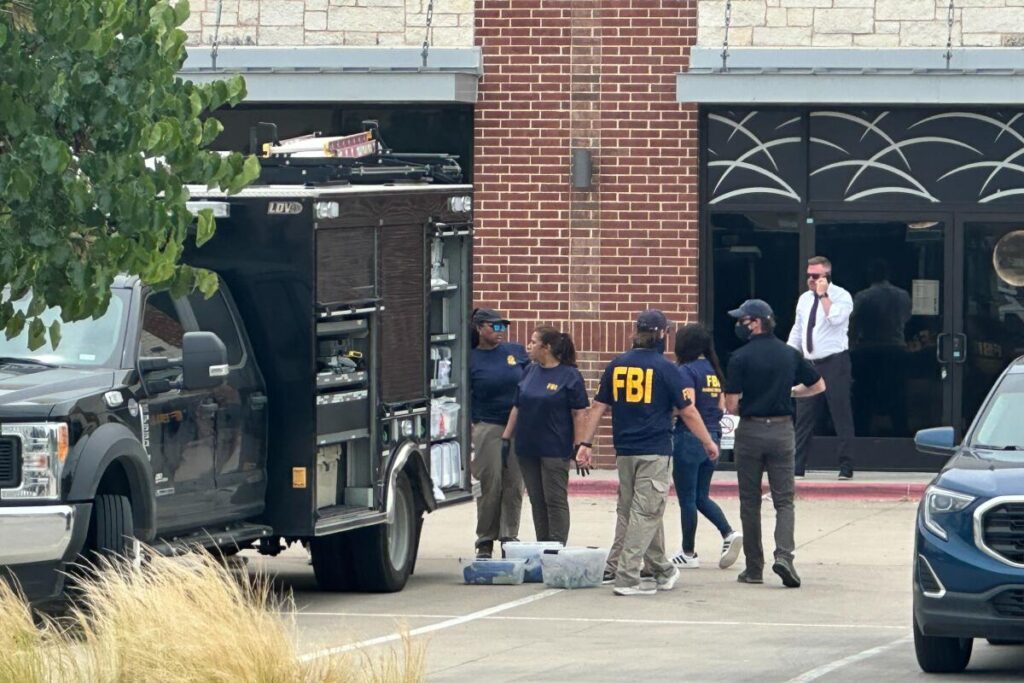
North Dallas Mall Shooting: 2 Dead, Multiple Injured in Latest Public Space Tragedy
A quiet afternoon near a bustling retail corridor in North Dallas erupted into chaos this week, leaving two people dead and at least three others injured in a shooting incident that has sent shockwaves through the local community. Law enforcement officials from the Dallas Police Department have confirmed that the violence occurred in the vicinity of a major shopping mall, a location typically associated with family outings and routine errands, not violent crime.
While the investigation is still in its early stages, the incident raises pressing questions about public safety, the efficacy of rapid response protocols, and the recurring pattern of gun violence spilling into America’s commercial hubs. For residents and consumers, this event serves as a grim reminder that vigilance is not optional—it is a necessity.
What We Know About the Incident
According to preliminary reports from the Dallas Police Department, officers responded to multiple calls of shots fired near a shopping mall in the northern sector of the city. The call came in during what is typically a peak traffic period for retail areas.
Key facts confirmed by authorities as of the latest briefing:
- Casualties: Two individuals were pronounced dead at the scene. Three additional victims were transported to local hospitals. Their conditions have not been fully released, but sources indicate at least one is in critical condition.
- Location: The shooting occurred in a parking area adjacent to a major retail complex, not inside the mall itself. This is a crucial distinction for security assessments.
- Suspect Status: As of this writing, no arrests have been made. Police are actively searching for at least one suspect, though the motive remains under investigation.
- Response Time: First responders arrived on scene within minutes of the initial 911 calls, a testament to the high-density patrol coverage in the North Dallas area.
The Immediate Aftermath
Witnesses described scenes of panic as shoppers and employees scrambled for cover. The sound of gunfire in a parking lot—an open, semi-public space—creates a uniquely dangerous environment because it offers limited cover and multiple exit points for a potential assailant.
Expert Analysis: Why Malls and Retail Zones Are Vulnerable
From a security perspective, the perimeter of a shopping mall presents a significant challenge. Inside a building, security teams can control access points, monitor hallways, and enforce bag checks if protocols are in place. Outside, however, the environment is fluid. Parking lots, sidewalks, and adjacent roadways are public spaces that cannot be fully secured without militarizing the area.
Three factors make retail zones particularly susceptible to this type of violence:
- High traffic density: Large numbers of people in a concentrated area mean a higher probability of an incident occurring during a routine day.
- Open access: Unlike an office building or a secured campus, a mall parking lot has multiple entry and exit points that cannot be monitored by a single security checkpoint.
- Emotional volatility: Public spaces often serve as arenas for personal disputes, road rage, or targeted confrontations that escalate into gunfire.
Security Gaps in Public Spaces
The North Dallas shooting underscores a structural gap in modern public safety: the transition zone between the street and the store. Many retail establishments have invested heavily in internal security—cameras, alarms, and uniformed guards—but the perimeter often relies solely on local law enforcement patrols, which are stretched thin.
Security experts recommend that mall operators consider implementing “active shooter” training for parking lot attendants and that local law enforcement increase visible patrols during peak hours. However, these measures are reactive rather than preventive.
The Human Toll: Victims and Community Response
Behind the statistics are real people. The two deceased victims have not yet been publicly identified pending family notification, but the community has already begun to mobilize.
Local churches and community centers have established support hotlines for witnesses and family members. Trauma specialists note that individuals who witness a shooting—even if unharmed—often experience symptoms of acute stress disorder. For children present in the area, the psychological impact can be long-lasting.
Resources that have been activated include:
- Victim advocacy services through the Dallas County District Attorney’s Office.
- Counseling services provided by local non-profits specializing in trauma recovery.
- Anonymous tip lines for anyone who may have recorded video or witnessed suspicious activity before the shooting.
Law Enforcement Response and Investigation
The Dallas Police Department has deployed additional resources to the area, including homicide detectives and crime scene analysts. The Bureau of Alcohol, Tobacco, Firearms and Explosives (ATF) has also been notified, as incidents involving multiple casualties in public spaces often trigger federal collaboration.
What Investigators Are Looking For
Detectives will focus on several critical pieces of evidence:
- Surveillance footage: Both from the mall’s external cameras and from nearby businesses. This is often the most reliable source for identifying suspects and vehicles.
- Witness statements: Eyewitness accounts can be inconsistent, but multiple interviews help triangulate the sequence of events.
- Shell casings and ballistic evidence: These items can link the weapon to past crimes or confirm the caliber and number of shots fired.
At this stage, police have not confirmed whether the shooting was a random act or a targeted incident. This ambiguity is common in the first 48 hours of an investigation.
The Broader Pattern: Gun Violence in Commercial Districts
This latest shooting is not an isolated event. Data collected by the Gun Violence Archive and the FBI shows a concerning trend: public mass shootings and targeted shootings in commercial areas have increased over the past decade. While the overall rate of violent crime has fluctuated, the lethality of incidents in public spaces has risen sharply.
Factors contributing to this trend include:
- The proliferation of high-capacity firearms.
- Increased social tensions manifesting in public confrontations.
- A lack of cohesive mental health intervention for at-risk individuals.
Practical Advice for the Public
While no one should live in constant fear, situational awareness is a skill that can save lives. In the wake of this incident, safety professionals recommend the following protocols for anyone visiting a mall or retail center:
When entering a mall parking lot:
- Avoid distractions like texting while walking to your vehicle.
- Park in well-lit areas close to entrances whenever possible.
- Scan your surroundings before exiting your car.
If you hear gunfire:
- Do not run toward the sound. Move away laterally or find hard cover.
- If inside a vehicle, stay low and exit the area if safe to do so.
- Call 911 only when you are in a secure location.
For Business Owners and Mall Operators
This incident should serve as a catalyst for reviewing security protocols. Conducting regular drills with tenants, improving lighting in parking structures, and establishing direct communication lines with local precincts can reduce response times and potentially save lives.
Conclusion: A Community in Mourning, A System Under Scrutiny
The North Dallas mall shooting is a tragedy that will have ripple effects far beyond the immediate victims. Families are grieving. Witnesses are traumatized. And the broader public is left to wonder when and where the next incident will occur.
As investigators work diligently to bring the perpetrator to justice, the responsibility falls on all stakeholders—law enforcement, retail operators, and individual citizens—to engage in a serious conversation about preventing violence in the spaces where we live, work, and shop.
For now, the community’s focus remains on supporting the injured, mourning the deceased, and ensuring that those lost are remembered not just as statistics, but as individuals whose lives were cut short in a moment of senseless violence.

