
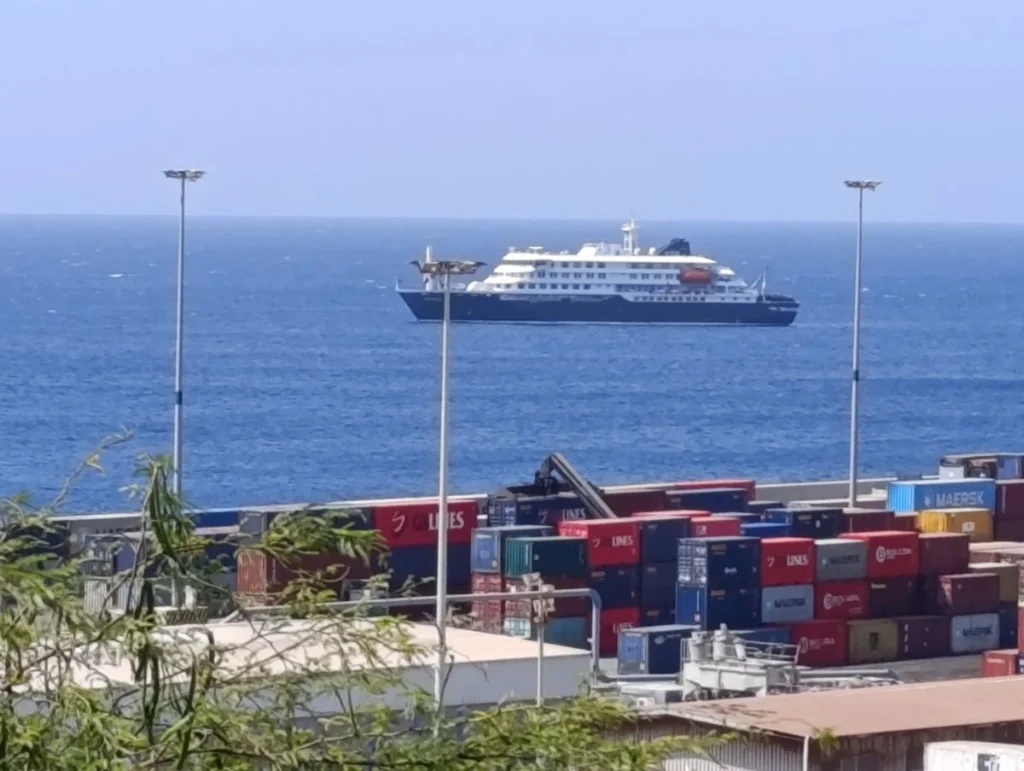
Hantavirus Outbreak on Cruise Ship: WHO Confirms Two Cases, Five Suspected
The World Health Organization has officially confirmed a serious health incident aboard a cruise ship. Two passengers have tested positive for hantavirus, a life-threatening zoonotic disease typically associated with rural and wilderness exposure. Five additional individuals are now under medical observation as suspected cases, prompting an urgent investigation by international health authorities.
This development, first reported by Hurriyet Daily News, has sent shockwaves through the maritime travel industry. Hantavirus is rarely—if ever—linked to cruise ships. Its appearance in a confined, controlled environment suggests a significant breach in sanitation and pest management protocols. For travelers and crew alike, this is a wake-up call about the hidden risks of rodent infestations on large vessels.
Understanding Hantavirus and the Unique Threat on a Cruise Ship
Hantavirus is not transmitted from person to person. Instead, humans contract it through direct or indirect contact with rodent urine, droppings, or saliva. Inhalation of aerosolized particles from contaminated dust is the most common route. Once inside the body, the virus can lead to a severe respiratory condition known as Hantavirus Pulmonary Syndrome (HPS).
On a cruise ship, the risks are significantly amplified. Dense passenger populations, large-scale food storage, continuous waste handling systems, and complex ventilation networks create ideal conditions for rodents to thrive undetected. An outbreak in this setting points to a systemic infestation rather than isolated incidents.
Why This Outbreak is Unprecedented
- Setting: Hantavirus outbreaks are typically associated with rural cabins, barns, or wilderness campsites—not luxury cruise vessels with strict cleaning protocols.
- Transmission dynamics: Since there is no human-to-human transmission, each case likely indicates direct or indirect rodent exposure, suggesting a broader contamination source.
- Incubation period: Symptoms may take one to five weeks to appear. This delay makes containment and contact tracing especially difficult, as passengers may disembark before becoming ill.
Key Symptoms Every Traveler Must Recognize
Hantavirus Pulmonary Syndrome progresses in distinct stages. Early symptoms can resemble the flu, but the illness can rapidly escalate to severe respiratory failure. Medical experts stress that early detection is critical.
Stage 1: Prodromal Phase (Days 1–5)
- Fatigue and general weakness
- Fever above 38°C (100.4°F)
- Muscle aches, especially in the thighs, hips, and back
- Headache and dizziness
- Nausea, vomiting, or abdominal pain
Stage 2: Cardiopulmonary Phase (Days 5–10)
- Shortness of breath
- Rapid onset of coughing
- Fluid buildup in the lungs (pulmonary edema)
- Low blood pressure (hypotension)
The mortality rate for HPS is approximately 38%, according to CDC data. However, early hospitalization and intensive care significantly improve survival chances.
What Passengers and Crew Should Do Right Now
If you were aboard this vessel—or any ship where rodent activity has been reported—the following actions are critical. Health authorities are actively monitoring exposed individuals, but self-monitoring remains essential.
Immediate Actions
- Monitor symptoms for at least six weeks after potential exposure. The incubation period can exceed 30 days.
- Seek emergency medical care immediately if you experience breathing difficulties or sudden shortness of breath.
- Inform healthcare providers about your cruise history, as hantavirus is often misdiagnosed as influenza or COVID-19.
- Avoid cleaning areas suspected of rodent contamination, as disturbing droppings can release infectious particles into the air.
For Future Cruises: Prevention Checklist
- Inspect your cabin upon boarding for droppings, gnaw marks, or unusual odors.
- Report any signs of rodents to ship management immediately.
- Store food in sealed containers and avoid leaving snacks exposed overnight.
- Keep cabin doors closed when not in use, particularly on lower decks near storage or service areas.
Cruise Industry Response: Challenges and Accountability
The cruise line involved has not yet issued a public statement. However, industry experts note that rodent control aboard large vessels is inherently complex. Cruise ships operate continuously, carry thousands of passengers, and transport large volumes of food and supplies from multiple ports, increasing exposure risks.
While international sanitation standards are enforced by health authorities, pest management effectiveness ultimately depends on consistent implementation.
Common Problem Areas
- Galleys and food storage: Frequent supply deliveries from various ports increase the risk of rodent entry.
- Waste management systems: Improperly sealed food waste can attract pests if not handled daily.
- Ventilation networks: Rodents may move through duct systems, spreading contamination across multiple decks.
The WHO and port health authorities are conducting full inspections. Passengers may see enhanced sanitation measures, cabin relocations, and potential fumigation before the ship returns to service.
Should You Cancel Your Cruise? An Expert Perspective
Panic is not necessary, but caution is reasonable. A single outbreak does not indicate a systemic failure across the cruise industry. Most major cruise lines maintain strict sanitation and pest control programs.
However, travelers with respiratory conditions such as asthma or COPD should consult a physician before booking future trips. For healthy individuals, the overall risk remains low when proper hygiene and pest control protocols are in place.
Questions to Ask Before Booking Your Next Cruise
- What is the ship’s pest control record?
- How frequently are cabins inspected?
- What procedures exist for reporting rodent sightings?
- Does the cruise line offer refunds or rebooking during health emergencies?
Conclusion: Vigilance, Not Fear
The hantavirus outbreak aboard this cruise ship is a rare but serious reminder that even highly controlled environments are not immune to biological risks. The WHO’s confirmation should push the industry to strengthen rodent prevention and sanitation systems.
For passengers, the priority is awareness: report concerns early, monitor symptoms, and seek medical attention if needed. The situation remains under investigation, with affected individuals receiving care and exposure tracing ongoing.
At this stage, vigilance is the appropriate response—not panic. Travelers planning cruises should verify sanitation records, while those exposed should closely monitor their health for several weeks.
Ultimately, this incident highlights the need for stronger transparency and stricter hygiene enforcement across the global cruise industry.

