Israeli Navy Intercepts Gaza Flotilla: What the Blockade Breach Means for Regional Security
The eastern Mediterranean is once again at the center of geopolitical tension.
In a calculated operation, Israeli naval forces intercepted a small convoy of activist vessels attempting to breach the long-standing Gaza blockade. This is not just another maritime incident—it reflects a policy that has shaped the Israeli-Palestinian conflict for nearly two decades.
The Interception: A Tactical Breakdown
During a routine patrol in international waters, Israeli Navy commandos moved to intercept several boats that refused orders to change course.
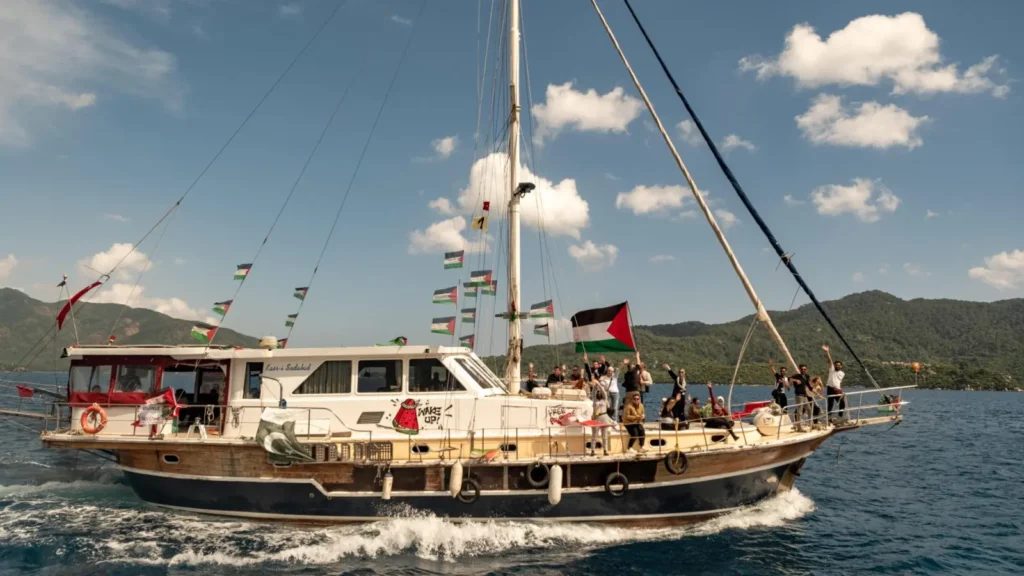
The flotilla, organized by pro-Palestinian groups, aimed to deliver humanitarian aid directly to Gaza—bypassing the official inspection system at the Kerem Shalom crossing.
What stands out is how controlled the operation was.
Unlike the 2010 Mavi Marmara incident, which led to fatalities and a diplomatic crisis with Turkey, this interception was carried out with minimal escalation. Reports indicate that Israeli forces used non-lethal methods, and resistance from those on board was limited.
The Strategic Context
Israel’s position remains unchanged: the blockade is a security measure.
The rationale is based on several key concerns:
- Weapons smuggling
Maritime routes have historically been used to transport rockets and other military equipment. - Control of dual-use materials
Items like concrete and steel can be diverted for tunnels or weapons production. - Maintaining precedent
Allowing even a single breach could weaken the entire blockade framework.
Why the Gaza Blockade Exists
To understand the significance of this event, it’s important to look beyond the immediate incident.
Israel, alongside Egypt, imposed the blockade in 2007 after Hamas took control of Gaza. The objective was to contain a hostile governing entity—not simply restrict trade.
The Security Argument
From a defense standpoint, the blockade is intended to:
- Limit Hamas’s ability to rearm
- Prevent the import of rocket components
- Block the development of naval capabilities that could threaten Israeli infrastructure
The Humanitarian Dimension
Critics argue the blockade comes at a high human cost.
Key concerns include:
- High unemployment — exceeding 45%
- Dependence on aid — over 80% of residents
- Limited infrastructure — frequent power outages and restricted access to clean water
For activist groups, flotilla missions are framed as a response to these conditions—a direct challenge to what they consider an unjust policy.
Historical Context: From Mavi Marmara to Today
The 2010 Mavi Marmara incident still shapes how these operations are handled.
That confrontation resulted in nine deaths and a major diplomatic fallout with Turkey. Since then, Israel has adjusted its approach:
- Earlier interceptions to avoid escalation
- Greater use of non-lethal tactics
- Stronger legal positioning under international maritime law
Despite these changes, legal debate continues. Some experts view the blockade as a legitimate security measure, while others argue it violates international humanitarian law.
What Happens Next
The intercepted vessels have been redirected to the port of Ashdod.
From there, standard procedures typically include:
- Processing of passengers — questioning and eventual deportation
- Inspection of cargo — humanitarian goods cleared through land crossings
- Seizure of restricted items — materials classified as dual-use
Broader Implications
This incident carries wider significance.
- For Israel: it reinforces control and deterrence
- For activists: it highlights ongoing resistance efforts
- For Gaza residents: it underscores continued isolation
Activist groups have already indicated that more flotilla missions are likely. With growing use of media and legal channels, the issue is increasingly globalized.
The Bottom Line
The interception represents a tactical success for Israel’s blockade policy—but it also highlights its long-term challenges.
At its core, the issue remains unresolved:
security versus humanitarian access.
The Mediterranean may be geographically small, but its strategic importance is immense. As long as the blockade remains in place, attempts to challenge it—whether through diplomacy or direct action—will continue.
And with each new incident, the stakes for regional stability grow higher.