
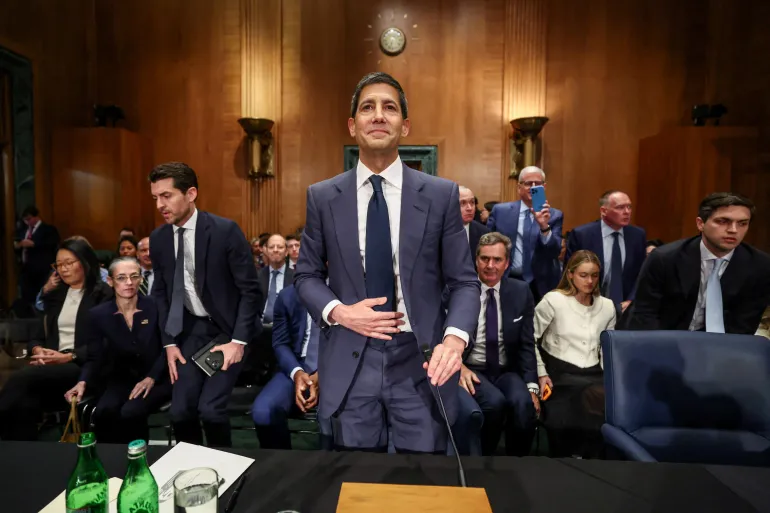
The New Era at the Fed: Kevin Warsh Confirmed as Chair – A Deep Dive into Policy Shifts
The U.S. Senate has officially confirmed Kevin Warsh as the next Chair of the Federal Reserve, a decision that sends a powerful signal to global markets. This confirmation, which took place following a contentious nomination battle, represents more than just a changing of the guard at the Eccles Building. It signals a potential philosophical pivot in how the world’s most influential central bank will manage inflation, regulate markets, and engage with fiscal policy.
For the average investor, homeowner, or business owner, the question is immediate: What changes are coming to interest rates, and how will this affect the cost of borrowing money?
Who Is Kevin Warsh? Beyond the Political Headlines
To understand where the Fed is heading, you have to understand the person at the helm. Kevin Warsh is not a career politician. He is a legal and financial expert whose experience during the 2008 financial crisis earned him a reputation as a pragmatist willing to break traditional central banking rules.
A Crisis-Tested Veteran
Warsh served as a Federal Reserve Governor from 2006 to 2011. He was on the Fed Board when the housing bubble burst. Unlike many career economists, Warsh became known for his hands-on role in the bank bailouts and the rescue of Bear Stearns. He worked directly with Treasury Secretary Hank Paulson and then-Fed Chair Ben Bernanke.
This background is critical. It suggests that Warsh is not an ideologue. He understands that in moments of severe market stress, the traditional playbook (raising rates to fight inflation) must sometimes be put aside to avoid systemic collapse.
The “Hoover Institution” Influence
After leaving the Fed, Warsh became a Distinguished Visiting Fellow at Stanford’s Hoover Institution. Here, he advocated for rule-based monetary policy as opposed to discretionary intervention. This philosophy suggests that the Fed should be more predictable and less reactive to short-term political pressure.
Why This Confirmation Matters Now
The timing of this confirmation is critical. The United States is navigating a delicate economic environment.
- Sticky Inflation: Core inflation remains above the Fed’s 2% target in certain sectors.
- Labor Market Tightness: Employment remains high, which typically keeps wage pressure elevated.
- Geopolitical Risk: Global supply chain disruptions continue to pose upside risks to prices.
Warsh’s confirmation suggests the Senate believes a shift in leadership is necessary to finish the fight against inflation without causing a severe recession.
The “Trump Connection” and Market Perception
While Warsh is technically an independent economist, his nomination came from President Trump. Markets are watching closely to see if Warsh will maintain the Fed’s independence. Historically, Warsh has argued that the Fed should not be influenced by political cycles. However, during his previous tenure, he was known to be a “hawk” who preferred higher rates to prevent bubbles.
Key Policy Shifts to Watch Under Chair Warsh:
- Interest Rate Trajectory: Expect a more cautious approach to rate cuts. Warsh has warned against prematurely declaring victory over inflation.
- Quantitative Tightening (QT): Warsh may accelerate the unwinding of the Fed’s massive balance sheet, pulling liquidity out of the system faster.
- Banking Regulation: A potential rollback of stricter capital requirements imposed after the 2023 regional banking crisis.
What This Means for Interest Rates and Inflation
This is the most practical question for consumers. Will mortgage rates drop? Will credit card debt become cheaper?
The “Wait and See” Approach
In his early public statements since the nomination, Warsh has signaled that he wants to see more data before committing to a path. This is a classic “data-dependent” stance. However, experts analyzing his writing suggest he is concerned about the “last mile” of inflation.
For homeowners: Do not expect a sudden pivot to low rates. Warsh is likely to keep rates high enough to ensure inflation is fully vanquished. This could mean mortgage rates remain elevated for the remainder of the year.
For savers: This is good news. High-yield savings accounts and CDs will likely continue to offer attractive returns if Warsh keeps the federal funds rate restrictive.
Implications for Investors and the Stock Market
Wall Street has a mixed relationship with Warsh. On one hand, he is seen as credible and experienced. On the other hand, his “hawkish” reputation can spook markets that are addicted to low rates.
Sector-Specific Impacts
- Banks: Likely to benefit from a flatter yield curve and less regulatory burden.
- Tech and Growth Stocks: May face headwinds. If Warsh keeps rates high, the discount rate on future cash flows increases, making high-valuation tech stocks less attractive.
- Real Estate: A mixed bag. Commercial real estate, which relies on cheap debt, could struggle further.
The Verdict: A Steady Hand or a Market Disruptor?
Kevin Warsh is not a radical. He is a product of the elite financial establishment. However, his confirmation signals a shift away from the “dovish” tendencies that characterized the post-COVID era.
For the consumer, this means the era of easy money is officially over. We are entering a phase of normalization where the Fed Chair is willing to let the economy slow down slightly to ensure price stability.
The next few months will be crucial. Watch for Warsh’s first official press conference. His tone will dictate market direction for the quarter. For now, the consensus is clear: The Fed is in good hands, but those hands will not be open to handing out free liquidity.

