
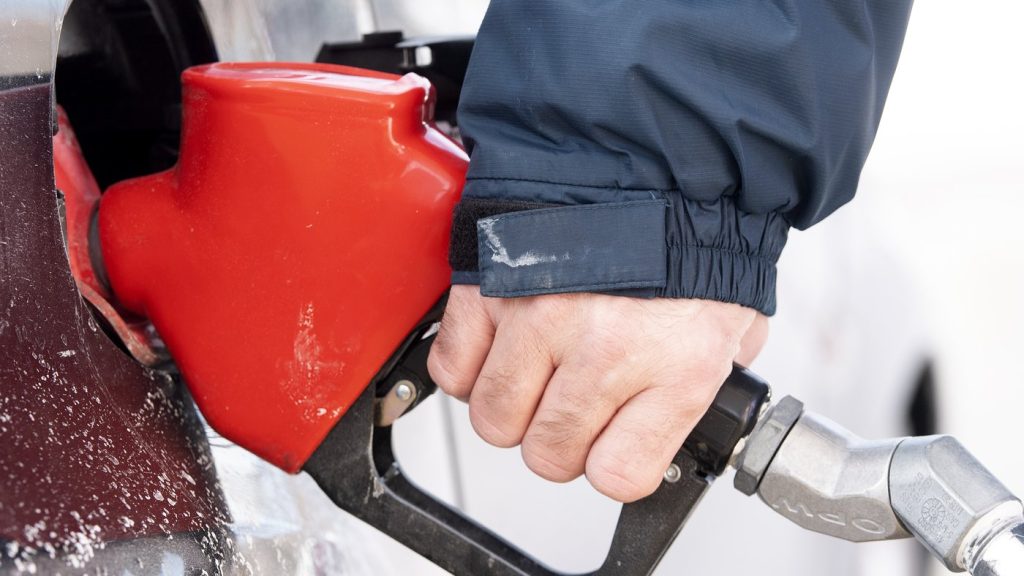
Drivers Breathe a Sigh of Relief: Federal Fuel Tax Pause Offers Summer Savings
For months, filling up the tank has felt like a financial gut punch. But in a move that will directly impact the wallets of millions of Canadians, the federal government has announced a temporary suspension of the excise tax on gasoline and diesel. Effective immediately, this measure will provide relief at the pumps until after the Labour Day weekend.
This significant intervention aims to ease the ongoing cost-of-living pressures that have been dominated by soaring fuel prices. Whether you’re commuting to work, planning a long-awaited summer road trip, or running a business reliant on transportation, this tax holiday is designed to put money back in your pocket during the peak driving season.
What the Federal Fuel Tax Suspension Means for You
At its core, the excise tax is a federal levy applied to gasoline and diesel fuel. Its suspension means a direct reduction in the price you pay per litre. Specifically, the removal of the tax translates to a decrease of 14 cents per litre for gasoline and 17 cents per litre for diesel.
The mechanics are straightforward: the federal government has instructed the Canada Revenue Agency (CRA) to stop collecting this tax from oil companies and importers. The expectation, and a condition of the policy, is that these savings are passed down the supply chain directly to consumers at the pump. Officials have stated that compliance will be monitored to ensure this happens.
Calculating Your Potential Savings
While savings per fill-up will vary, the relief will be tangible for most drivers. Consider a driver with a 60-litre tank filling up with gasoline:
- Before the suspension: Tax cost = 60L x $0.14 = $8.40 per fill-up.
- After the suspension: That $8.40 stays in the driver’s wallet.
For frequent drivers, families with multiple vehicles, or industries like trucking and agriculture that consume vast amounts of diesel, the cumulative savings over the summer months could amount to hundreds, if not thousands, of dollars. This interim measure provides a cushion, allowing households and businesses to reallocate funds to other pressing needs.
The Driving Forces Behind the Tax Holiday
This policy did not emerge in a vacuum. It is a direct response to a potent mix of economic anxiety and political pressure. With inflation persistently chipping away at purchasing power, necessities like fuel, groceries, and housing have become central battlegrounds in the public discourse on affordability.
Responding to the Affordability Crisis
Persistently high global oil prices, exacerbated by international instability, have kept pump prices volatile and often painfully high. For many Canadians, especially those in rural and suburban areas where driving is non-negotiable, the cost of fuel is a major line-item in the monthly budget. The temporary tax cut is the government’s most visible tool to provide immediate, measurable relief.
A Political Landscape in Flux
The announcement also arrives at a critical political juncture. With a shifting political landscape and an official opposition that has consistently hammered the government on carbon pricing and affordability, this move can be seen as a strategic effort to address a key vulnerability. It represents a pragmatic policy shift aimed at demonstrating responsiveness to widespread public concern.
Broader Implications and Expert Reactions
The suspension of the fuel tax is more than just a line on a receipt; it has broader implications for the economy and the environment.
Economic Ripple Effects: Lower fuel costs can have a deflationary effect on the broader economy. Transportation is a key cost input for virtually all goods. Cheaper diesel can reduce shipping and logistics expenses, which could, in turn, put downward pressure on the price of consumer goods. However, economists caution that the effect may be modest and temporary, as other inflationary forces remain at play.
Environmental Policy Considerations: This move creates a complex dialogue around climate policy. The federal carbon price, a separate mechanism, remains in place. Critics of the tax suspension argue that it sends a conflicting signal, undermining the “polluter pays” principle designed to incentivize a shift toward cleaner energy and transportation. Proponents counter that in a acute cost-of-living crisis, providing direct financial relief must take precedence, and the long-term climate framework remains intact.
Industry and Stakeholder Response: Reactions have been mixed but generally positive from driver advocacy groups and industry associations. The Canadian Trucking Alliance welcomed the diesel tax relief, noting it provides crucial breathing room for owner-operators and fleets. Tourism associations have also cheered the move, anticipating that lower gas prices will encourage more Canadians to explore their country this summer.
Navigating the Summer: Tips for Maximizing Your Savings
While the tax cut automates savings at the pump, drivers can take additional steps to stretch their fuel budget even further this summer.
- Shop Around: Use fuel price comparison apps to find the best deals in your area. Prices can still vary significantly between stations.
- Drive Efficiently: Aggressive acceleration and speeding are major fuel wasters. Adopting a smoother driving style can improve your fuel economy by up to 30% on the highway.
- Mind Your Maintenance: A well-tuned engine, properly inflated tires, and clean air filters can collectively boost your vehicle’s mileage.
- Plan Your Trips: Combine errands to avoid multiple short trips with a cold engine, which uses more fuel.
- Lighten the Load: Remove unnecessary heavy items from your trunk and roof racks to reduce drag and weight.
The Road Ahead: What Happens After Labour Day?
The government has been clear that this is a temporary, targeted measure set to expire on Tuesday, September 3rd. The excise tax is scheduled to be reinstated at that point. This creates a defined window for savings but also a future decision point.
The state of the global oil market and domestic inflation in the late summer will heavily influence the political calculus. There will likely be calls from some quarters to extend the suspension if economic pressures persist. The government will have to weigh those calls against fiscal responsibilities and long-term climate commitments.
For now, the message to Canadian drivers is simple: enjoy the relief while it lasts. This summer, the open road might feel a little less costly. As you plan your journeys, from daily commutes to cross-country adventures, the missing excise tax will be a small but welcome companion, offering a temporary respite in a season where every penny counts. The ultimate destination for Canada’s fuel and climate policy, however, remains a journey still unfolding.

