
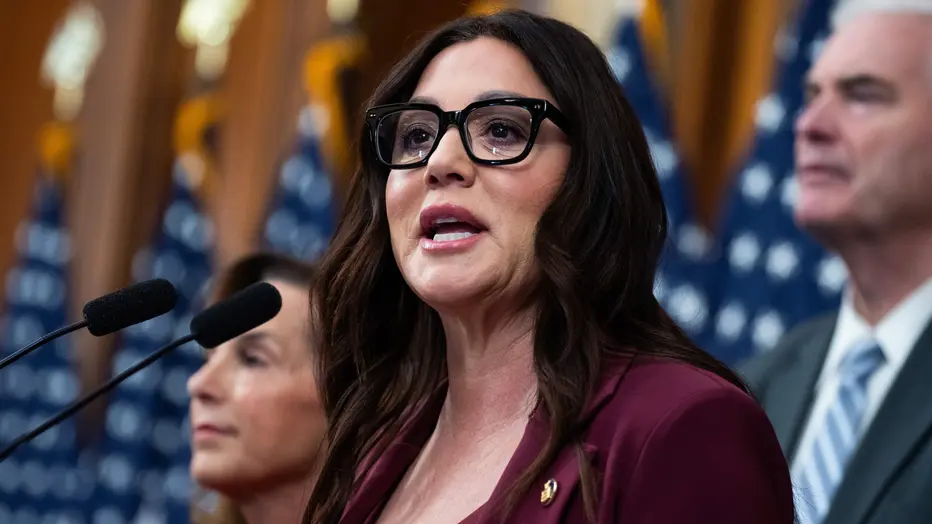
Oregon Labor Secretary Lori Chavez-DeRemer Abruptly Resigns
In a sudden and unexpected move, Oregon Labor Commissioner Lori Chavez-DeRemer has resigned from her position, effective immediately. The announcement, confirmed by Governor Tina Kotek’s office, has sent ripples through the state’s political and labor communities, leaving many to speculate about the reasons behind the abrupt departure and what it means for the future of the Bureau of Labor and Industries (BOLI).
Governor Kotek’s office released a brief statement acknowledging the resignation but offered no specific details on the catalyst for the decision. The governor expressed gratitude for Chavez-DeRemer’s service and indicated that steps to ensure continuity in the agency’s critical work are already underway.
A Tenure Marked by Controversy and Transition
Lori Chavez-DeRemer, a former mayor of Happy Valley, was appointed to the role by former Governor Kate Brown in 2022. Her tenure, though relatively short, was not without its significant challenges and controversies.
Navigating High-Profile Cases and Public Scrutiny
One of the most defining moments of her time as Labor Commissioner was her office’s handling of the high-profile Portland Public Schools (PPS) strike in late 2023. BOLI’s role in mediating and enforcing labor laws during the contentious negotiations placed Chavez-DeRemer squarely in the public eye. While some praised the agency’s efforts, others were critical of the process and outcomes.
Furthermore, Chavez-DeRemer oversaw BOLI during a period of intense focus on wage theft enforcement and workplace safety, particularly in the wake of the pandemic. The agency faced pressure to aggressively pursue violations while also managing a complex portfolio that includes civil rights investigations, apprenticeship programs, and prevailing wage determinations.
Internal and External Pressures
The resignation comes amid what sources describe as a period of internal adjustment within BOLI and shifting expectations from the new gubernatorial administration. Transitioning from the leadership of Governor Brown to Governor Kotek likely involved aligning priorities and operational styles, a process that can be difficult for any appointed official.
While no official reason has been given, such abrupt resignations often point to a combination of factors, including:
- Differences in policy or management vision with the current administration.
- Personal or professional considerations.
- The intense and unrelenting pressure associated with leading a high-stakes regulatory agency.
Immediate Aftermath and Leadership Continuity
With Chavez-DeRemer’s immediate exit, Governor Kotek has moved swiftly to appoint an interim leader. Deputy Commissioner has been named as the interim Labor Commissioner. This appointment is crucial for maintaining stability within BOLI, ensuring that ongoing investigations, enforcement actions, and public services experience minimal disruption.
The interim commissioner will be tasked with steering the agency until a permanent successor is named. This process will involve:
- Managing day-to-day operations and critical agency functions.
- Working with the Governor’s office to identify priorities for the bureau.
- Potentially beginning the search for a permanent commissioner, which may involve a public application and interview process.
What This Means for Oregon Workers and Employers
The sudden change in leadership at BOLI raises important questions for the constituencies the agency serves. The Bureau of Labor and Industries is a cornerstone of Oregon’s worker protection framework, and its direction has a direct impact on the state’s economic climate.
For Workers and Advocates
Worker advocacy groups will be watching closely to see how the transition affects the agency’s enforcement posture. Key areas of concern include:
- The pace and rigor of wage theft investigations and the collection of owed wages.
- Enforcement of anti-discrimination and harassment laws.
- Support for apprenticeship programs and workforce development initiatives.
The hope among many advocates will be for a seamless transition that does not slow down the agency’s mission to protect worker rights.
For the Business Community
Employers across Oregon rely on BOLI for clarity on compliance with complex state labor laws. A leadership change can create uncertainty regarding regulatory focus and interpretation. The business community will be seeking:
- Clear and consistent communication from the interim and future leadership.
- Continuity in the consultative services BOLI provides to help businesses comply with regulations.
- A balanced approach to enforcement that supports both fair workplaces and a healthy business environment.
Looking Ahead: The Search for a Permanent Successor
Governor Tina Kotek now faces an important decision in selecting a new permanent Labor Commissioner. This role requires a unique blend of skills: a deep understanding of labor law, proven management ability, and a capacity to navigate the often-competing interests of workers, employers, and political stakeholders.
The governor’s choice will send a strong signal about her administration’s priorities for labor and employment in Oregon. Will she seek a candidate from the labor movement, the legal field, or the realm of public administration? The selection process and the eventual appointee’s background will be parsed for clues about the future direction of BOLI.
The Lasting Impact of an Abrupt Exit
Lori Chavez-DeRemer’s resignation is a reminder of the demanding nature of public leadership, particularly in roles that sit at the intersection of law, economics, and social justice. Her departure opens a new chapter for the Oregon Bureau of Labor and Industries at a time when issues of wage equity, workplace safety, and workers’ rights remain at the forefront of public discourse.
As the state moves forward, the focus will shift to the interim leadership’s stewardship and the governor’s next move. The stability and effectiveness of BOLI are too critical to the state’s well-being for this transition to be anything but managed with the utmost care and transparency. Oregon’s workers and employers alike will be awaiting answers and assurances in the weeks to come.

