
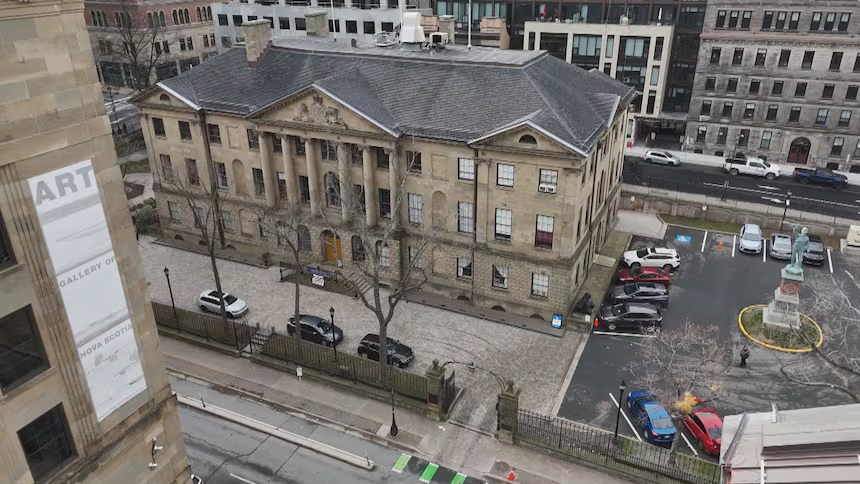
Nova Scotia Legislature Concludes Temporary Session
The Nova Scotia Legislature wrapped up its session with minimal exercise. Study what occurred throughout this quiet sitting and what it means.
Nova Scotia Legislature session
Understanding Nova Scotia’s Temporary Legislative Break
Provincial legislatures throughout Canada function on schedules that may generally shock observers. The Nova Scotia Home of Meeting just lately concluded a notably quick session, leaving many residents questioning what really transpires when lawmakers convene for such abbreviated durations. This specific sitting serves as a window into how provincial governments handle their legislative calendars and prioritize their work.
When a legislature rises after only a few days of sitting, it usually indicators that pressing enterprise has been addressed or that the federal government has strategically timed its work round different priorities. The quiet nature of this session means that groundbreaking laws wasn’t on the agenda, however administrative and procedural issues nonetheless required formal consideration.
What Constitutes a “Quiet” Legislative Session
A quiet session does not essentially imply nothing occurred—it means the exercise lacked the drama, debate, or main legislative initiatives that sometimes seize headlines. Members nonetheless gathered to conduct Home enterprise, move required laws, and tackle constituency issues, however the proceedings remained notably subdued in comparison with longer sittings.
Throughout temporary classes, legislatures sometimes concentrate on important features: passing provide payments to maintain authorities operations funded, addressing time-sensitive administrative issues, and permitting opposition members to boost considerations via query interval. These classes keep democratic accountability even once they do not introduce sweeping new insurance policies.
The Strategic Timing of Legislative Calendars
Provincial governments rigorously plan once they name legislatures into session. A brief sitting usually displays strategic decision-making about when to introduce new laws and when to permit committees to do their work. In Nova Scotia’s case, this temporary session probably allowed the federal government to deal with fast wants whereas holding the longer legislative agenda for future sittings.
This method is not unusual in Canadian provincial governance. Legislatures stability the necessity for normal parliamentary oversight with the sensible realities of legislative drafting, committee work, and authorities operations. Brief classes function essential checkpoints on this course of.
How Query Interval Features Throughout Temporary Classes
Even briefly sittings, query interval stays a crucial mechanism for democratic accountability. Members of the opposition use these valuable minutes to interrogate authorities selections, search clarification on insurance policies, and lift constituent considerations. Throughout a quiet session, the absence of heated exchanges would possibly point out broad settlement on present instructions or a dearth of freshly controversial points requiring fast parliamentary consideration.
The Nova Scotia Home of Meeting, like all provincial legislatures, reserves particular time for this every day trade. Opposition members put together completely to maximise their alternatives, making certain that authorities selections face scrutiny no matter how lengthy the session lasts.
Provide and Monetary Enterprise in Brief Classes
One main motive legislatures convene, even briefly, entails approving authorities spending. Provide payments be sure that authorities departments can proceed operations, paying workers and delivering providers to Nova Scotians. With out common legislative approval, the equipment of presidency grinds to a halt.
These monetary issues require formal parliamentary votes, making them important enterprise no matter what number of different agenda objects exist. A legislature would possibly rise shortly as soon as provide is permitted and different fast issues are dealt with, permitting members to return to their constituencies and committee duties.
The Position of Parliamentary Committees
Fashionable legislatures more and more delegate detailed work to specialised committees. When a legislature rises after a short session, it usually means committees will reconvene to look at coverage proposals, research laws intimately, and listen to from stakeholders. This distributed method permits for extra thorough examination of points than ground debate alone can present.
Nova Scotia’s committees work on training, well being, financial improvement, and different crucial areas. A brief legislature session does not diminish committee work—it’d really allow extra targeted committee exercise as members return to this detailed legislative scrutiny.
What Constituents Ought to Know About Temporary Classes
When your provincial legislature rises shortly, it doesn’t suggest your representatives have deserted their duties. Members nonetheless keep constituency places of work, reply to constituent considerations, and put together for future legislative work. The sitting itself represents just one dimension of parliamentary exercise.
When you’ve got considerations about provincial points, contacting your MLA stays efficient no matter whether or not the legislature is presently sitting. Most legislators keep common workplace hours and reply to constituent correspondence, as this represents a basic a part of consultant democracy. Your elected consultant does not solely work throughout legislative classes.
Understanding the Distinction Between “Rising” and “Proroguing”
When a legislature “rises,” it quickly concludes its sitting however stays technically in session. Members could be referred to as again shortly if pressing enterprise emerges. This differs from “proroguing,” which formally ends a session and successfully resets parliamentary enterprise, requiring the lieutenant governor to open a brand new session earlier than work can resume.
A legislature rising after a brief interval is an easy parliamentary process. It permits the federal government flexibility whereas sustaining the choice for speedy recall if circumstances demand it. Understanding this distinction helps residents recognize how provincial governance really features.
Transparency and Public Entry Throughout All Classes
No matter session size, Nova Scotia’s Home of Meeting maintains transparency via Hansard—the official file of all parliamentary debates and votes. Residents can evaluate precisely what transpired throughout any sitting by consulting public data. This documentation ensures democratic accountability and permits residents to trace how their representatives voted on particular issues.
Many Canadians do not understand how accessible these data are. If you wish to know what occurred through the current session, visiting the Nova Scotia Home of Meeting web site gives full entry to transcripts, voting data, and legislative paperwork. This transparency types a cornerstone of accountable authorities.
Planning Forward: When to Count on the Subsequent Session
Provincial legislatures sometimes observe established schedules, although governments retain flexibility to regulate timing primarily based on circumstances. If you wish to keep knowledgeable about upcoming sittings, the Nova Scotia Home of Meeting pronounces session dates publicly properly prematurely. Subscribing to legislative updates or bookmarking the parliament web site ensures you will know when representatives reconvene.
Residents engaged with provincial governance profit from figuring out when legislatures sit. In case you care about particular points—well being coverage, training funding, financial improvement—monitoring legislative sitting dates helps you time advocacy efforts and monitor committee work successfully.
The Greater Image of Provincial Governance
Temporary legislative classes characterize regular parliamentary observe, not an indication of dysfunction or apathy. Governments stability the necessity for normal parliamentary oversight with sensible realities of legislative work. Brief sittings permit formal parliamentary processes to operate whereas enabling the detailed committee work that shapes provincial coverage.
Understanding how your provincial legislature operates strengthens democratic participation. The following time you hear that the Nova Scotia Home of Meeting has risen, you will acknowledge this as a routine parliamentary process somewhat than a trigger for concern. Keep engaged along with your representatives, monitor legislative developments, and stay conscious that provincial authorities exercise extends far past formal sitting days.

