
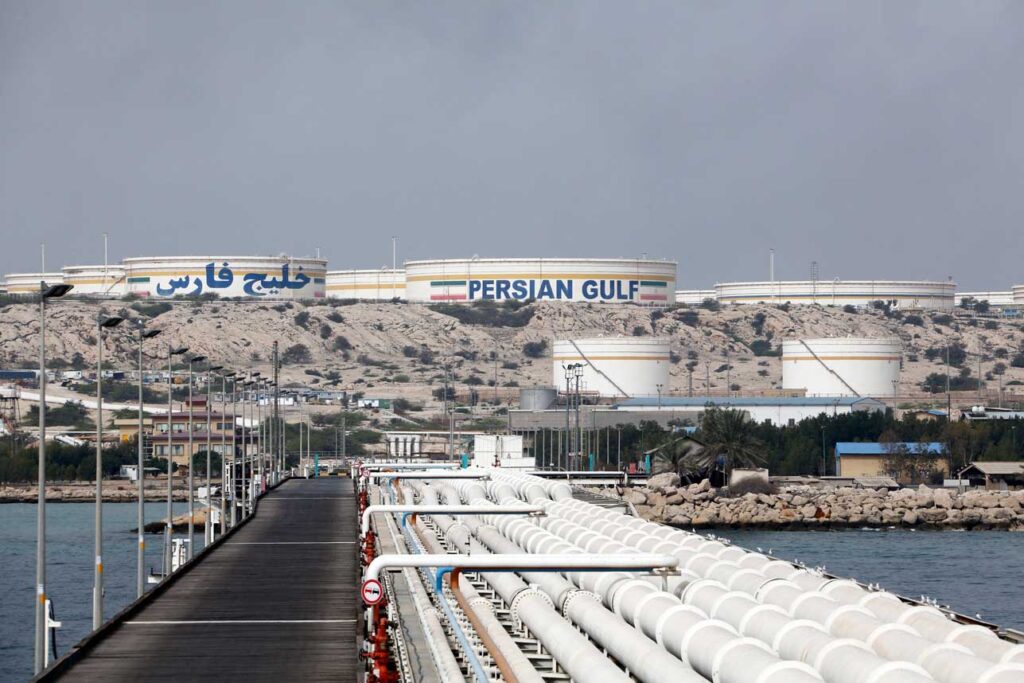
Navigating the Surge in Oil Prices Amidst Strait of Hormuz Tensions
The global energy market is on edge. A sudden and sharp spike in oil prices has sent shockwaves through financial centers and raised alarms for governments and consumers worldwide. This latest surge isn’t tied to traditional supply-demand economics or OPEC+ decisions alone. Instead, the spotlight is firmly fixed on a narrow, 21-mile-wide waterway: the Strait of Hormuz. Recent escalations in this critical maritime chokepoint have reignited fears of a major supply disruption, pushing Brent crude prices to multi-month highs and forcing the world to confront the fragile nature of its energy security.
The World’s Most Critical Oil Artery: Why the Strait of Hormuz Matters
To understand the current price volatility, one must first grasp the unparalleled importance of the Strait of Hormuz. This passage between Oman and Iran is not just another shipping lane; it is the lifeblood of global oil and gas trade.
A Chokepoint of Global Proportions
The statistics are staggering. Approximately:
- One-fifth of the world’s total oil consumption flows through the Strait daily.
- Roughly 30% of all seaborne traded oil passes through this narrow channel.
- For key producers like Saudi Arabia, Iraq, the United Arab Emirates, and Qatar, it is the primary export route, with some nations relying on it for nearly 90% of their shipments.
Any threat to the free and safe passage of tankers through the Strait doesn’t just affect regional players; it immediately threatens the energy supplies of economies across Asia, Europe, and beyond. The market’s reaction to tension there is not an overreaction—it’s a rational response to a genuine systemic risk.
Igniting the Flame: The Recent Escalations Driving Fear
The simmering tensions have boiled over due to a series of recent incidents and geopolitical maneuvers. The core of the issue lies in the longstanding adversarial relationship between Iran and the West, particularly the United States and its allies.
A Cycle of Seizures and Strikes
The situation has deteriorated into a cycle of action and retaliation. On one side, Iran’s Islamic Revolutionary Guard Corps (IRGC) has been accused of harassing, seizing, or attempting to seize commercial vessels. Tehran often frames these actions as responses to violations or as leverage in broader negotiations. On the other side, the United States and its allies have bolstered their military presence and, in a significant escalation, have conducted direct strikes on Houthi targets in Yemen. The Houthis, who are backed by Iran, have been attacking shipping in the Red Sea, creating a parallel crisis that compounds market fears.
This tit-for-tat dynamic creates a perfect storm. Each seizure raises insurance premiums for tankers (known as war risk premiums). Each military strike raises the specter of a wider regional conflict that could directly target Hormuz traffic. Traders are now pricing in a new and persistent “geopolitical risk premium,” an added cost reflecting the heightened chance of a sudden supply cut.
The Ripple Effect: How Oil Price Spikes Impact Everything
When the price of a barrel of oil jumps, the consequences cascade through the entire global economy with startling speed. This isn’t just about paying more at the pump.
- Transportation Costs Skyrocket: From airlines to shipping companies to everyday commuters, fuel is a primary expense. Higher oil prices directly increase operational costs, leading to more expensive plane tickets, higher prices for shipped goods, and strained household budgets.
- Inflationary Pressure Returns: Central banks worldwide have been battling inflation. Energy is a fundamental input for almost every industry. Rising oil prices can re-ignite inflationary pressures, potentially delaying or reversing interest rate cuts, which affects mortgages, business loans, and economic growth.
- Corporate Profits and Investment Suffer: Companies facing higher energy and transportation costs see their profit margins squeezed. This can lead to reduced hiring, postponed expansions, and lower stock market valuations.
- Global Growth at Risk: For oil-importing developing nations, a price surge can be devastating, worsening trade deficits and depleting foreign currency reserves, potentially leading to social and political instability.
Charting a Course: Strategies for Mitigation and Resilience
In the face of such volatility, nations and companies are not powerless. Navigating this crisis requires a multi-pronged approach focused on both immediate response and long-term strategy.
Short-Term Tactical Responses
Releasing Strategic Petroleum Reserves (SPRs): Major consuming nations, like the United States and members of the International Energy Agency (IEA), hold billions of barrels of oil in emergency stockpiles. A coordinated or unilateral release can temporarily flood the market with extra supply, helping to cap price spikes and calm trader panic during acute crises.
Diversifying Shipping Routes: While no alternative can match Hormuz’s capacity, some producers are investing in pipelines that bypass the Strait entirely. However, these projects are costly, long-term endeavors and cannot offer an immediate solution.
The Long-Term Strategic Shift
The current crisis is a stark reminder of the risks of over-reliance on a single geographic region for a critical resource. This is accelerating two fundamental shifts:
- The Accelerated Energy Transition: The volatility of fossil fuels strengthens the economic and security case for investing in renewable energy sources like wind, solar, and green hydrogen. Reducing dependence on oil for transportation and power generation is the ultimate form of energy security.
- Supply Chain and Diplomatic Re-evaluation: Countries are reassessing their energy partnerships and seeking more stable, diverse suppliers. This doesn’t mean abandoning the Middle East, but it does mean deepening ties with producers in the Americas, Africa, and elsewhere to build a more resilient supply web.
Navigating an Uncertain Future
The Strait of Hormuz remains the world’s most volatile fuse. The recent surge in oil prices is a direct thermometer of the geopolitical fever in the region. While diplomatic efforts to de-escalate tensions are paramount, they offer no guaranteed quick fix. For the foreseeable future, the market will remain jittery, reacting to every naval incident and rhetorical flare-up.
The path forward requires a clear-eyed view of the risks. For businesses, this means building stronger contingency plans and hedging strategies. For consumers, it means bracing for periods of higher energy costs. And for the global community, the events unfolding around this narrow waterway serve as the most urgent possible argument for diversifying energy sources and accelerating the transition to a more secure and sustainable energy future. The stability of the global economy may very well depend on it.

