
Ottawa labour legislation strikes end timeline
Federal minister addresses uncertainty around strike termination under new proposed labour law changes
Ottawa labour legislation
What Ottawa’s New Labour Laws Mean for Future Strikes
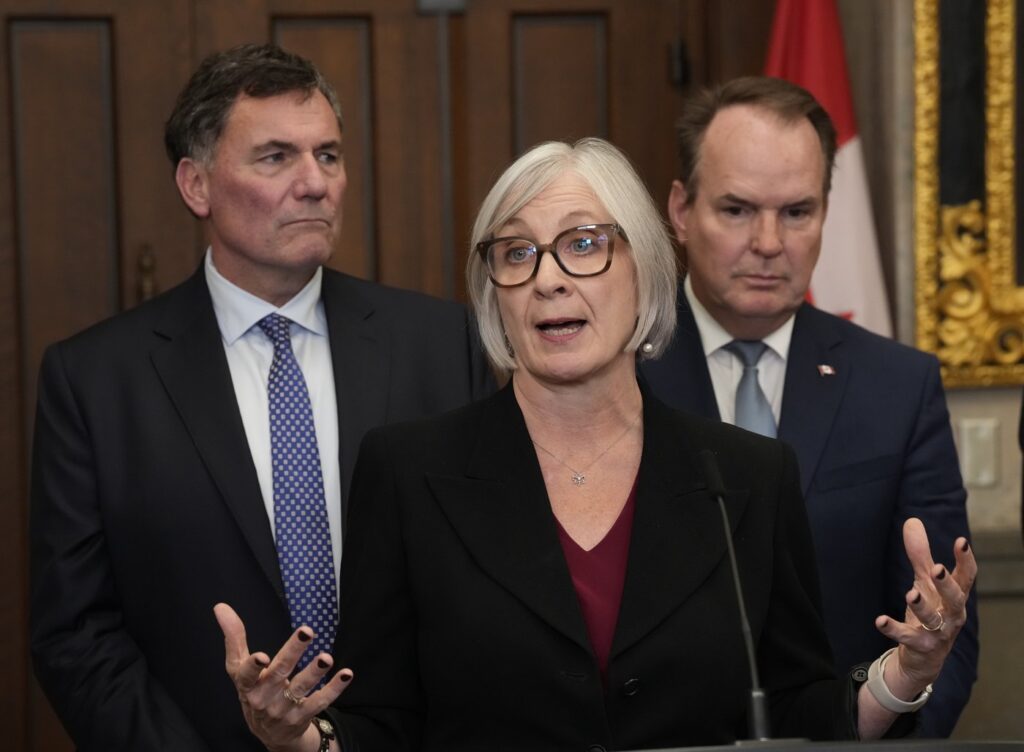
Canada’s labour landscape is about to shift in significant ways. On Monday, the federal government tabled new labour legislation that could reshape how strikes and lockouts are handled at the federal level. But as Federal Jobs Minister Hajdu explained this week, there won’t be a simple timeline for when the government would step in to end labour disputes.
This announcement has sparked considerable debate among employers, unions, and workers across the country. The proposed changes suggest a more flexible approach to labour disputes, but flexibility doesn’t always translate to clarity. For anyone who depends on federal services or works in federally regulated industries, understanding these changes matters.
The Challenge of Creating Blanket Answers
Hajdu was straightforward about one thing: the government cannot offer a “blanket answer” on when it would intervene in strikes or lockouts under the new framework. This statement reveals a fundamental tension in labour policy—every dispute is different, and cookie-cutter solutions rarely work well.
Some strikes involve essential services that directly impact public health and safety. Others affect specific sectors or smaller groups of workers. A one-size-fits-all approach could either leave the public vulnerable or unnecessarily restrict workers’ rights to negotiate fairly. The proposed legislation attempts to account for these nuances, but it creates uncertainty for all parties involved.
For employers in federally regulated industries, this ambiguity presents a real challenge. Without a clear timeline, it’s harder to plan for potential disruptions. For workers, the lack of a defined endpoint might seem worrying at first, but it could actually provide more bargaining room during negotiations.
How the New Framework Would Work
The legislation tabled Monday introduces a more discretionary approach to labour disputes. Rather than relying on predetermined thresholds or automatic triggers, the government would evaluate each situation individually. This means the Minister of Labour would need to assess various factors before deciding whether to invoke back-to-work legislation.
Factors likely under consideration would include the impact on essential services, the duration of the dispute, public health and safety concerns, and the progress of negotiations. The government would also probably examine whether both parties are genuinely attempting to reach a settlement or simply stonewalling.
This approach mirrors how other democracies handle labour disputes. Countries like Germany and Sweden have successfully used situation-specific interventions rather than rigid timelines. However, the success of such a system depends heavily on transparent decision-making and consistent application of principles.
Why Specificity Matters in Labour Policy
One of the persistent complaints about previous federal labour legislation has been its inflexibility. When Parliament sets hard deadlines or automatic triggers for ending strikes, it can shortchange workers who are still negotiating in good faith. Conversely, without any framework at all, disputes can drag on indefinitely, harming the public and businesses alike.
The proposed changes attempt to split the difference. By giving the government discretion, while presumably requiring transparent criteria, the legislation aims to protect public welfare without unnecessarily undermining collective bargaining rights. The trick is ensuring that discretion doesn’t become arbitrary.
Hajdu’s acknowledgment that there’s no “blanket answer” is actually a sign of intellectual honesty. It suggests policymakers recognize the complexity of labour relations. But it also means stakeholders need to prepare for greater uncertainty in how disputes will be resolved.
What This Means for Federally Regulated Workers
Federal public servants, airline employees, postal workers, and others in federally regulated sectors should pay attention to how this legislation develops. The removal of a predetermined timeline could work either in their favour or against it, depending on how the government applies the new discretionary powers.
During negotiations, union representatives will likely argue that removing hard deadlines strengthens their position—they won’t face artificial time pressure from an automatic back-to-work date. Employers, conversely, may worry about extended disruptions without a clear endpoint visible to them.
The practical takeaway here: if you work in a federally regulated industry, now is the time to understand your union’s strategy for negotiations under these new rules. Ask your union representatives how they plan to adapt to the more flexible framework. Knowing what tools your bargaining unit will use could help you understand potential outcomes in future disputes.
The Role of Parliamentary Oversight
One crucial question about the proposed legislation is how much parliamentary oversight will accompany ministerial discretion. Will decisions to invoke back-to-work orders require parliamentary debate? Will there be reporting requirements that make the government’s reasoning transparent?
These procedural details matter enormously. A discretionary system that operates behind closed doors risks becoming a tool for political favoritism. A discretionary system with robust transparency requirements could actually enhance fairness by allowing public scrutiny of government decisions.
Parliament should expect pressure from both labour advocates and business groups to clarify these oversight mechanisms. The legislation tabled Monday will likely undergo significant amendment during the committee process, and these amendments could determine whether the new framework genuinely improves labour relations or simply shifts power around without solving underlying problems.
Comparing This to Previous Approaches
Canada has experimented with different labour dispute resolution methods over the decades. The current approach—which relies on automatic back-to-work legislation after a specified period—was meant to protect the public while respecting collective bargaining. But critics argued it gave too much power to the government and too little room for genuine negotiation.
The proposed changes represent a philosophical shift toward treating each dispute as unique. This aligns more closely with modern labour relations theory, which emphasizes that context matters. A strike affecting air travel is genuinely different from one affecting postal services, which is different from one affecting federal office workers.
However, this flexibility also introduces new risks. Without clear guidelines, decisions could become inconsistent. A government that favours particular unions or industries might apply the new discretionary powers unevenly. This is why transparency and clear criteria become essential safeguards.
What Comes Next
The legislation tabled Monday will now move through the parliamentary process. Expect hearings from unions, employer associations, and public interest groups. Various stakeholders will push for amendments that reflect their priorities and concerns.
For Canadians who work in federally regulated sectors, the months ahead will be important for monitoring how this debate unfolds. If your workplace could be affected by these changes, consider submitting feedback during public consultation periods. Many parliamentary committees hold public hearings, and ordinary citizens can participate.
The federal government’s acknowledgment that there’s no simple “blanket answer” to labour disputes is both honest and challenging. It means future disputes will be evaluated case-by-case, without predetermined timelines. This could lead to fairer outcomes if applied thoughtfully, or it could introduce inconsistency if not carefully managed.
Keep watching how the legislation develops and what specific criteria the government establishes for intervention decisions. Those details will ultimately determine whether this new approach genuinely improves Canada’s labour relations framework.

