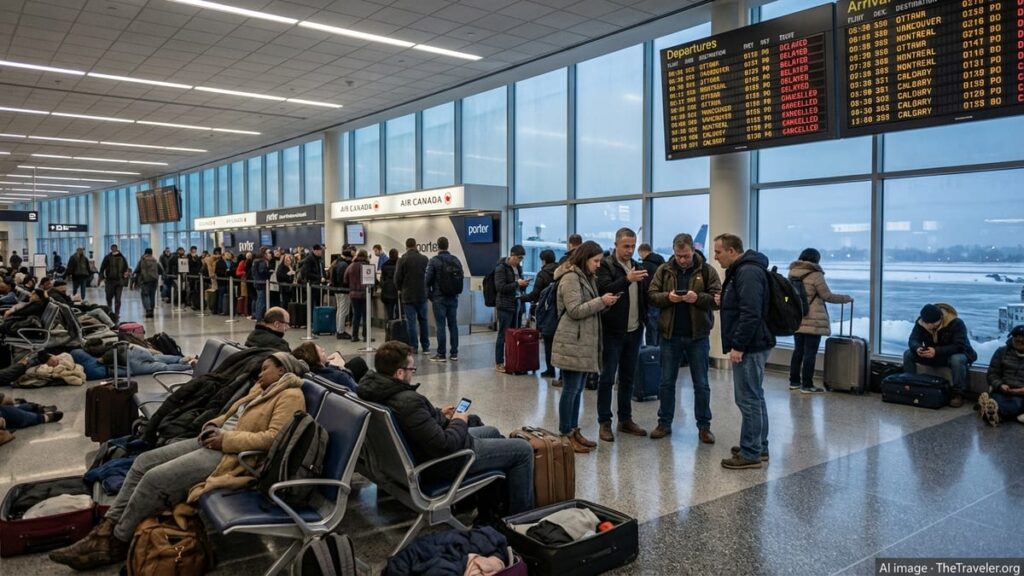
Travel Chaos at Toronto Pearson: Major Flight Delays and Cancellations
A perfect storm of operational challenges has descended upon Toronto Pearson International Airport (YYZ), creating a weekend of significant travel disruption for thousands of passengers. What was meant to be a busy period for international and domestic travel quickly turned into a scene of frustration as dozens of flights faced extensive delays and a notable number were cancelled outright.
The ripple effects of this disruption are being felt across key global routes, particularly to major hubs like London, highlighting the fragile nature of post-pandemic air travel recovery.
A Snapshot of the Disruption
The scale of the issue became clear as flight status boards across Terminals 1 and 3 lit up with delays and cancellations. Data from flight tracking services and airline announcements painted a stark picture for a single disruptive day:
Key Disruption Figures:
- Over 54 flights experienced significant delays, many exceeding three hours.
- At least 11 flights were fully cancelled, stranding passengers.
- Major carriers like Air Canada, Virgin Atlantic, and Air India were among the most affected.
- Primary impact was on lucrative transatlantic routes, especially services to London Heathrow (LHR).
This concentration of issues on premium international routes suggests systemic pressures rather than isolated, carrier-specific problems.
The Major Players and Affected Routes
The disruption did not discriminate, ensnaring both full-service network carriers and long-haul specialists. Passengers on some of the most popular routes out of Toronto found their travel plans in disarray.
Air Canada’s Widespread Challenges
As the airport’s home carrier and largest operator, Air Canada felt the brunt of the issues. Multiple flights to domestic destinations, U.S. cities, and international points were delayed. Most notably, their flagship services to London Heathrow faced major setbacks. Given Air Canada’s extensive network, these delays had a cascading effect, disrupting aircraft and crew rotations for subsequent flights throughout the day and into the evening.
Transatlantic Turbulence for Virgin Atlantic and Air India
The problems extended deeply into the operations of international partners. Virgin Atlantic, which operates competitive daily service between Toronto and London, was forced to delay its departure significantly, leaving passengers bound for the UK facing long waits at the gate.
Similarly, Air India saw its service from Toronto delayed. This disruption is particularly impactful for connecting passengers, as Air India’s flight often carries travelers connecting to destinations across India and the broader subcontinent, multiplying the inconvenience.
Unpacking the Causes of the Chaos
While severe weather is often the primary culprit for airport meltdowns, this event appears to be the result of several converging factors, a phenomenon industry experts are calling a “travel conundrum.”
1. Severe Weather and Air Traffic Control (ATC) Constraints:
The weekend saw a mix of convective weather, including thunderstorms, in the Toronto region and along key flight paths over the North Atlantic. This necessitated ground stops, flow control, and rerouting, which immediately reduces the number of aircraft an airport can handle per hour. The resulting backlog takes hours to clear.
2. Crew Scheduling and Legalities:
When initial delays push crew members close to or beyond their legally mandated duty hours, airlines have no choice but to cancel flights. Finding replacement crews at short notice, especially for international routes, is often impossible. This regulatory safety measure, while essential, is a direct driver of cancellations once delays reach a certain threshold.
3. Lingering Systemic Pressures:
The aviation industry has been grappling with tight margins since the pandemic. While demand has roared back, resources haven’t always kept pace. Staffing shortages, though improved, still leave airlines and airports with little buffer to handle irregular operations. A single day of bad weather can overwhelm the system in a way it might have absorbed more readily pre-2020.
Passenger Fallout and Response
For travelers, the disruption translated into real hardship: missed connections, ruined vacations, urgent business meetings postponed, and anxious hours spent in terminal queues. Social media filled with images of crowded departure halls and stories of frustration.
Passenger Rights: The APPR in Action
In Canada, passengers have specific protections under the Air Passenger Protection Regulations (APPR). For disruptions within airline control (like crew scheduling), but not related to safety (like weather), passengers on cancelled flights or very long delays are entitled to:
- Rebooking on the next available flight on any airline, at no extra cost.
- Compensation ranging from $125 to $1000, depending on the delay length and flight distance.
- Meals, drinks, and hotel accommodation with transportation if an overnight stay is required.
Airlines like Air Canada began issuing travel advisories, advising passengers to check their flight status before heading to the airport and outlining rebooking options. However, the volume of affected travelers meant that customer service lines were overwhelmed, adding to the stress.
Navigating the New Normal of Air Travel
Incidents like this weekend’s chaos at Pearson are a stark reminder of the complexities of modern air travel. For passengers, a proactive approach is more critical than ever.
Traveler Tips for Resilience:
- Monitor Your Flight Proactively: Use airline apps and independent flight tracker apps for real-time updates, often faster than gate announcements.
- Understand Your Rights: Familiarize yourself with the APPR (for travel from Canada) or relevant regulations for your jurisdiction.
- Consider Travel Insurance: Comprehensive insurance can cover unexpected hotel costs, meals, and rebooking fees not covered by the airline.
- Build in Buffer Time: For critical international connections or events, consider flying a day early when possible.
- Stay Connected: Ensure your contact information is updated in your airline reservation to receive automated alerts.
Looking Ahead: Can the System Improve?
The recurring nature of these disruptions at major hubs like Toronto Pearson points to a need for systemic evaluation. While weather is uncontrollable, the industry’s resilience to it can be improved. This includes continued investment in staffing, more robust contingency planning, and potentially revising scheduling practices during peak travel periods to create more realistic buffers.
For now, the travel conundrum continues. The weekend’s events at Canada’s busiest airport serve as a case study in how interconnected and vulnerable global aviation remains. As passengers pick up the pieces of their disrupted journeys, the call for greater reliability and accountability in air travel grows louder. The path to smoother skies will require collaboration between airlines, airports, regulators, and air traffic services to build a network that can withstand the inevitable storms, both meteorological and operational.