Phone Evidence Links Colombian Mercenaries to RSF in Sudan War
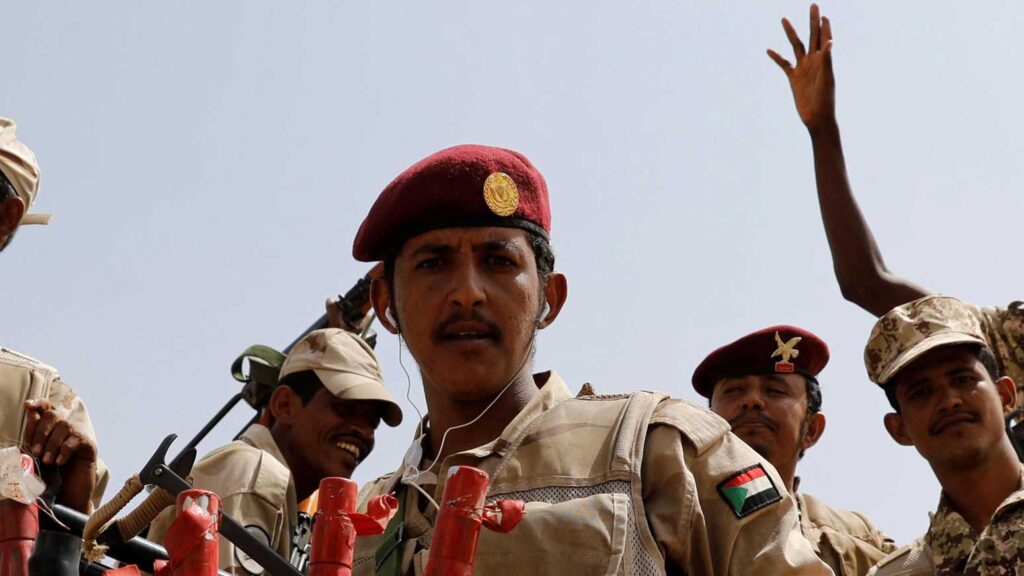
The brutal conflict in Sudan has drawn in fighters from across the globe, but a new investigation has uncovered a direct and damning link between elite Colombian soldiers and the Rapid Support Forces (RSF). According to a BBC report, phone evidence and insider testimony reveal a covert pipeline of experienced mercenaries, raising serious questions about the internationalization of the war and potential violations of Colombian law.
The Digital Trail: From Colombia to the Sudanese Desert
The investigation centers on a trail of digital breadcrumbs. Reporters identified that a senior Colombian commander, actively recruiting for the RSF, used a phone registered in the United Arab Emirates. This same number was used to contact a wounded Colombian mercenary recovering in a Sudanese hospital. This digital link provides a concrete connection between the recruiter on the ground and the fighters in the field.
Furthermore, the analysis of satellite phones and other communication devices paints a picture of an organized operation. The evidence suggests these are not isolated individuals seeking adventure, but part of a structured recruitment network funneling specialized military talent into a conflict marked by widespread atrocities.
Who Are the Recruits?
The mercenaries in question are not ordinary soldiers. They are primarily former members of Colombia’s special forces, veterans of the decades-long fight against guerrilla groups and drug cartels. Their skills in mobile warfare, intelligence gathering, and operating in difficult terrain are highly sought after in the world of private military contracting.
These individuals possess expertise in:
- Urban and desert warfare tactics
- Drone operation and reconnaissance
- Training local militia forces
- Secure communications and logistics
This makes them valuable, if controversial, assets for a paramilitary force like the RSF, which is engaged in a fierce battle for control of Sudan against the national army.
The RSF’s International Recruitment Drive
The Rapid Support Forces, born from the notorious Janjaweed militias, have been accused of ethnic cleansing, war crimes, and crimes against humanity in Darfur and beyond. To bolster their ranks and technical capabilities, the group has reportedly cast a wide net for foreign fighters.
The Colombian connection appears to be a significant part of this strategy. Testimony from the mercenaries themselves indicates they were offered lucrative contracts, sometimes reaching into six figures, to train RSF units and participate in combat operations. The investigation points to the UAE as a likely financial and logistical hub for this recruitment, given the country’s established ties to the RSF leadership.
Violations and Legal Gray Zones
This mercenary pipeline places the Colombian government in a difficult position. Colombian law explicitly prohibits its citizens from serving as mercenaries in foreign conflicts. The defense ministry has stated it is investigating the allegations, but the phenomenon highlights the challenges of policing former soldiers who operate in the shadowy world of international private military companies (PMCs).
The legal and ethical implications are severe:
- Potential prosecution of Colombians under national law
- Complicity in a conflict with documented human rights abuses
- Violations of international arms embargoes and sanctions
- The erosion of global norms against mercenary activities
Broader Implications for the Sudan Conflict
The influx of foreign fighters, especially those with advanced training, risks prolonging and intensifying the Sudanese war. It provides the RSF with enhanced military capacity, potentially shifting battlefield dynamics. This external support complicates peace efforts and makes the conflict even more intractable.
Moreover, it signals a dangerous trend of the conflict becoming a proxy battleground. The involvement of mercenaries linked to third countries, even if not officially sanctioned, suggests external actors are deepening their investment in the war’s outcome, often at the expense of Sudanese civilians.
A Pattern of Global Mercenary Activity
The Colombia-Sudan link is not an isolated case. It fits a pattern where veterans from conflicts in Latin America, the Balkans, and Southern Africa are recruited for wars in the Middle East and beyond. These fighters operate in a nebulous space between private contractors and outright mercenaries, often hired by PMCs that serve as intermediaries for governments or powerful non-state actors.
This global “soldier-for-hire” market thrives on instability, offering high pay to skilled veterans while allowing conflict parties to bypass official military support and the scrutiny that comes with it.
Unanswered Questions and the Path Forward
While the phone evidence is compelling, many questions remain. To what extent is the Colombian state aware of or able to control this outflow of personnel? Who is ultimately financing these contracts? And what is the full scope of the mercenaries’ activities on the ground in Sudan?
Addressing this issue requires concerted action:
- Strengthened National Legislation: Countries like Colombia may need to enforce stricter penalties and monitoring of former special forces personnel.
- International Scrutiny: The UN and regional bodies must investigate violations of mercenary bans and sanction entities involved in recruitment.
- Financial Tracking: Disrupting the flow of money through hubs like the UAE is critical to dismantling these networks.
The phone records linking Colombian fighters to the RSF are more than just a technical finding. They are a stark revelation of how modern warfare is increasingly outsourced, how local conflicts are internationalized, and how the brutal war in Sudan is being fueled by a global trade in violence. As the world watches the humanitarian catastrophe unfold, understanding and cutting off these covert lines of support is not just a matter of law, but of conscience.