
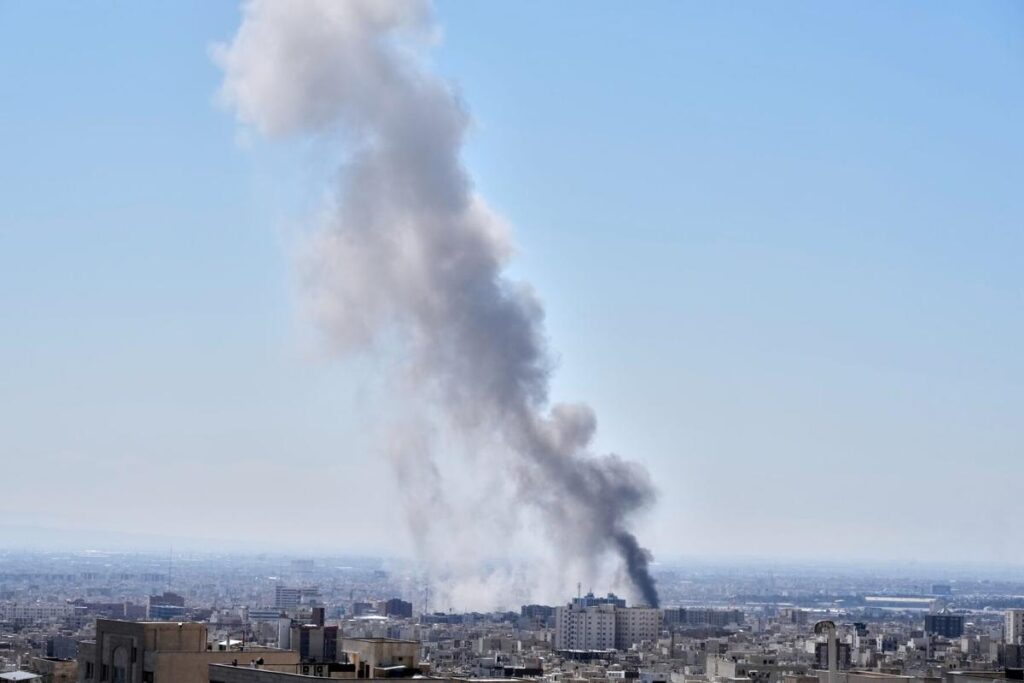
U.S. Deploys Troops While Proposing New Middle East Ceasefire Plan
In a dramatic and dual-pronged move, the United States has simultaneously initiated a significant military deployment to the Middle East while presenting a new, high-stakes proposal for a ceasefire. This contrasting strategy, unfolding in late March 2026, underscores the complex and volatile nature of the region’s conflicts and the Biden administration’s attempt to navigate a path between deterrence and diplomacy. The deployment signals a clear commitment to regional security and the protection of allies, even as American diplomats work furiously behind the scenes to halt the ongoing violence.
A Two-Sided Strategy: Force and Diplomacy
The U.S. approach can be seen as a classic “carrot and stick” strategy, though executed with heightened urgency. On one side, the Pentagon is mobilizing a substantial number of troops and assets. While exact figures remain classified, military analysts confirm the movement involves:
- Several thousand personnel from rapid-response units.
- Enhanced naval patrols, including carrier strike group positioning.
- Advanced air defense systems being forwarded to key partner nations.
- Increased intelligence, surveillance, and reconnaissance (ISR) flights over conflict zones.
This show of force is explicitly framed as a defensive and stabilizing measure. Official statements emphasize the goal is to prevent further escalation, protect critical international shipping lanes, and assure regional partners of America’s security commitments. The shadow of past conflicts and the ever-present threat to global energy supplies make this deployment a powerful, tangible message to state and non-state actors alike.
Concurrently, and with equal vigor, Secretary of State Antony Blinken has unveiled a detailed ceasefire roadmap. This plan, reportedly developed in close consultation with regional powers and European allies, goes beyond a simple halt in fighting. It aims to address several core grievances that have fueled the latest cycle of violence.
Inside the Proposed Ceasefire Roadmap
The proposed plan is not merely a call for silence on the battlefield. Informed sources suggest it contains multiple phased components designed to build confidence and create a pathway to more substantive talks.
Immediate Humanitarian and Security Measures
The first phase would mandate an immediate, comprehensive cessation of hostilities across all fronts. Critically, it would also include:
- A guaranteed corridor for the delivery of critical humanitarian aid to civilian populations, overseen by an international monitoring body.
- A mutual pullback of heavy weaponry from designated buffer zones.
- A temporary freeze on further military mobilization by all involved parties.
Foundations for Long-Term Discussion
The second, more ambitious phase of the proposal lays the groundwork for political dialogue. Key elements on the table are believed to include:
- Hostage and prisoner exchanges as a key confidence-building measure.
- Commitments to restart economic cooperation projects that benefit the broader population.
- The initiation of multilateral working groups to discuss underlying security concerns, from missile proliferation to militia activities.
The success of this plan hinges on its acceptance by all warring factions, a hurdle that has doomed previous initiatives. The U.S. is reportedly applying significant diplomatic pressure, leveraging relationships and potential economic incentives to gain buy-in.
Regional and Global Reactions: A Spectrum of Responses
The international reaction to Washington’s twin actions has been mixed, reflecting the deep divisions surrounding the conflict.
Allied nations in the Gulf and Europe have largely welcomed the troop deployment as a necessary step to restore deterrence. They have also cautiously endorsed the ceasefire proposal, though some have privately expressed skepticism about its enforceability.
Key regional powers directly involved in the conflict have offered predictable, polarized responses. One side has labeled the troop movement as “provocative escalation” but has not outright rejected the diplomatic proposal. The other has praised the U.S. military commitment as a sign of solidarity but has raised serious objections to certain terms of the ceasefire, calling them unbalanced.
At the United Nations, the Security Council remains deadlocked. The U.S. is expected to circulate its plan formally, setting the stage for what will likely be contentious debates. Russia and China have criticized the unilateral nature of the troop deployment, calling for all actions to be channeled through the UN.
The High-Stakes Calculus Behind the Move
Analysts point to several critical factors driving the U.S. to pursue this risky, simultaneous strategy.
- Preventing a Regional Conflagration: Intelligence assessments likely warned of an imminent, broader war that could draw in multiple state actors. The deployment acts as a circuit breaker.
- Protecting Economic Stability: With global markets still fragile, securing vital shipping routes like the Strait of Hormuz and the Bab el-Mandeb is a non-negotiable economic imperative.
- Reasserting Leadership: After years of calls for reduced U.S. presence in the region, this move reasserts Washington’s role as the primary security guarantor, a position challenged by rivals.
- Creating Diplomatic Leverage: The military posture provides crucial leverage for diplomats. It signals that if the ceasefire fails, the U.S. and its allies are prepared for more robust intervention.
An Uncertain Path Forward
The coming weeks will be decisive. The immediate questions are stark: Will the warring parties agree to even temporary terms? Can humanitarian aid begin flowing to besieged areas? Will the presence of additional U.S. forces calm the situation or become a flashpoint itself?
History in the Middle East teaches that ceasefires are fragile and deployments can become open-ended. The Biden administration is betting that the combined weight of military preparedness and a detailed diplomatic offer can create a rare window of opportunity. The strategy is a high-wire act—attempting to project enough strength to compel negotiation without triggering the very escalation it seeks to avoid.
The world now watches to see if this dual-track approach can succeed where others have failed, or if the complex tides of Middle Eastern conflict will once again overwhelm the best-laid plans of outside powers. The stakes for regional stability and global security have rarely been higher.

