American Military Action Near the Strait of Hormuz
A military operation involving the United States and Iran can have consequences far beyond the immediate location of an attack. The Strait of Hormuz, one of the world’s most important energy shipping routes, remains a critical point of concern as Washington and Tehran navigate military confrontation and diplomatic negotiations.
On Monday, November 2, 2026, American forces reportedly carried out strikes against targets on Iran’s Qeshm Island. The operation was part of a series of limited military actions that US forces had conducted against Iranian targets in recent weeks, according to a Wall Street Journal report citing American officials.
The latest operation came at a time when President Donald Trump was publicly expressing confidence that negotiations with Tehran could produce an agreement. However, the reported military activity suggested that Washington continued to respond to security threats in the region.
US officials described the strikes as defensive operations intended to prevent Iranian forces from threatening American military assets and commercial shipping.
Why Did the United States Target Qeshm Island?
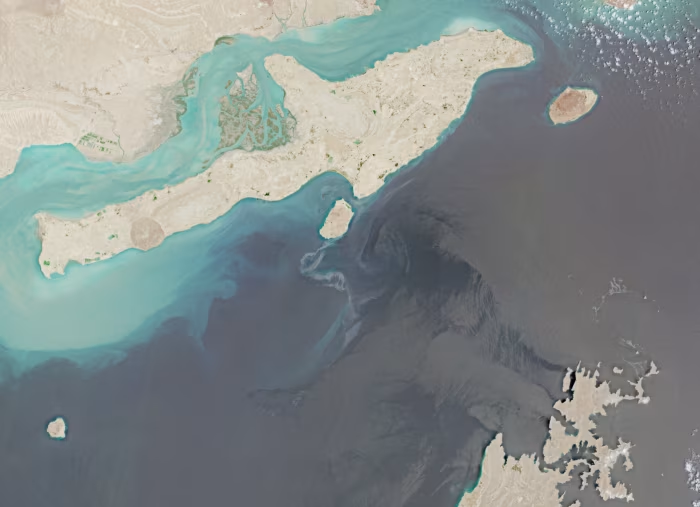
Qeshm Island is strategically positioned near the entrance to the Strait of Hormuz in the Persian Gulf. Its geographical location makes it important to military operations, maritime security and regional energy transportation.
The island hosts several significant facilities, including an underground missile installation, a naval base and a major desalination plant. Its proximity to international shipping routes also makes developments there particularly important to regional security.
According to the Wall Street Journal, American officials described the latest strikes as an effort to limit Iran’s ability to attack commercial vessels passing through the Strait of Hormuz.
The operation reportedly followed an incident involving an Iranian missile targeting a US fighter aircraft. The American aircraft returned fire, while US forces also intercepted another missile launched from Qeshm toward commercial shipping.
These reported incidents formed part of the security concerns surrounding the latest American military action.
US Military Operations Were Kept Away From Public Attention
One significant detail in the Wall Street Journal report was that the latest operation was not an isolated incident. American forces had reportedly conducted additional limited strikes against Iranian targets during the preceding weeks.
Unlike earlier military operations, Washington had not publicly announced these actions. An American official explained that keeping the operations out of public view was intended to avoid creating the impression that the United States was restarting a major military campaign against Iran.
This approach allowed the administration to describe the incidents as responses to specific security threats rather than announcements of a broader offensive.
The distinction is important because the United States and Iran have remained involved in a complicated confrontation involving military activity, maritime security and diplomatic negotiations.
The reported operations also demonstrate that limited military responses can continue even when political leaders are publicly discussing ways to prevent a wider conflict.
Trump Plays Down the Possibility of Renewed War
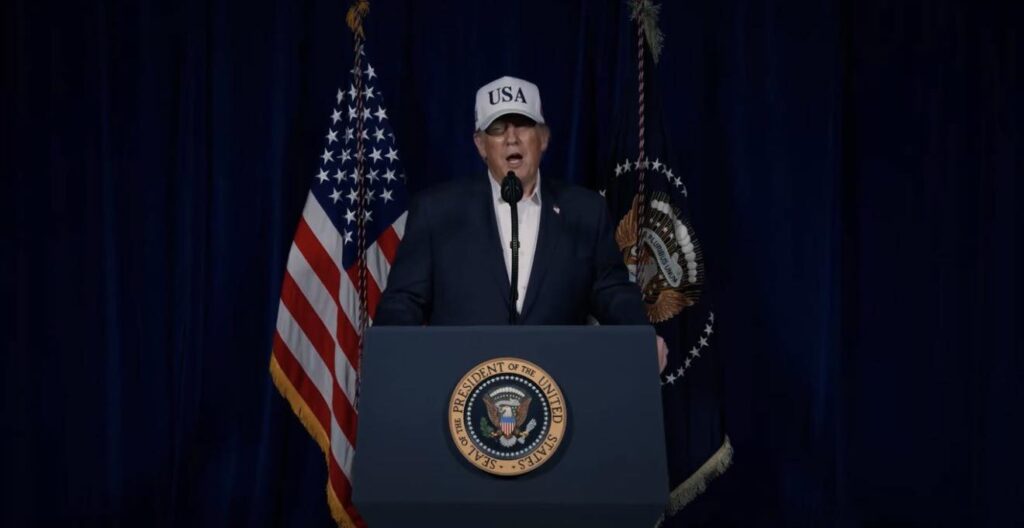
President Donald Trump addressed the situation on Monday, November 2, while speaking to reporters ahead of the US midterm elections scheduled for November 3.
His public comments suggested that he believed the previous military confrontation had already achieved its main objectives. He also indicated that the United States was not necessarily preparing to return to large-scale combat operations.
When asked whether he was considering another strike against Iran after the midterm elections, Trump answered no.
However, the Wall Street Journal reported that administration officials said Trump continued to consider different military and diplomatic options.
This distinction between the president’s public statements and the options being discussed within the administration became an important part of the developing story.
Although Trump expressed optimism about reaching an agreement with Tehran, American military planners continued monitoring Iranian activities and evaluating potential responses.
Strait of Hormuz Remains Central to the Conflict
The Strait of Hormuz is one of the most important maritime passages for international energy markets. It connects the Persian Gulf with the Gulf of Oman and provides a major route for oil and other energy shipments.
Any disruption to commercial shipping in this narrow waterway can create uncertainty for oil producers, shipping companies, energy traders and importing countries.
Iran’s geographical position gives it considerable influence over security conditions around the passage. Military activity involving missile systems, naval forces and commercial vessels can therefore affect international concerns about the movement of energy supplies.
The reported American strikes were connected to efforts to prevent Iran from threatening commercial vessels using the waterway.
For countries that depend on imported oil, including Canada, developments in the Strait of Hormuz are worth monitoring. Changes in shipping security can influence transportation expenses, insurance costs and international energy prices.
However, the effects on individual countries depend on the duration of disruptions, available alternative supplies and developments in international oil markets.
Qeshm Island’s Military and Strategic Importance
Qeshm is the largest island in the Persian Gulf and has an important position along Iran’s southern coastline.
Its proximity to the Strait of Hormuz makes it relevant to military surveillance, maritime operations and the country’s coastal defense network.
The underground missile installation identified in reporting about the island is particularly important because missile systems can threaten aircraft and vessels operating in surrounding waters.
The island’s naval facilities also contribute to Iran’s ability to monitor maritime activity in the region.
Its desalination infrastructure represents another important feature. Desalination plants convert seawater into freshwater, supporting communities and other activities in areas where freshwater resources are limited.
The presence of military and civilian infrastructure on the island makes developments there important to both security assessments and regional infrastructure concerns.
Diplomatic Negotiations Continue Despite Military Activity
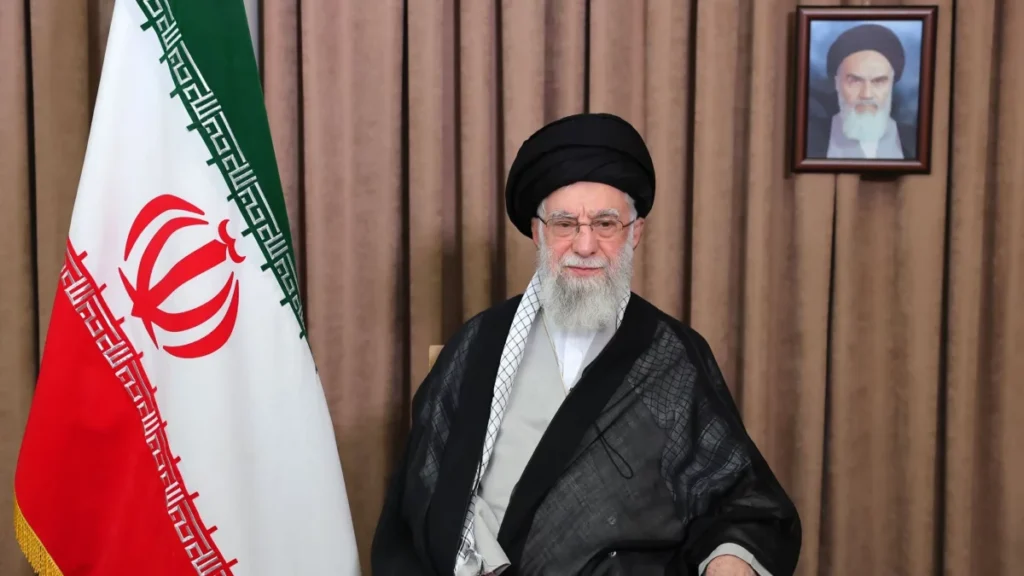
The latest strikes came while the Trump administration was continuing to consider a diplomatic agreement with Iran.
President Trump publicly indicated that negotiations could produce an agreement, suggesting that a political solution remained possible despite the military tensions.
However, reaching an agreement would require both governments to address the disagreements that have contributed to their confrontation.
These include security concerns, military capabilities, maritime access and the broader relationship between Washington and Tehran.
For the United States, maintaining freedom of navigation through the Strait of Hormuz is an important security objective. Iran, meanwhile, has maintained that Washington must address its stated conditions before an agreement can be reached.
The continued military activity adds complexity to diplomatic efforts because both sides must consider the possibility of further confrontation while negotiating.
Why the November 3 Midterm Elections Matter
The timing of the Qeshm Island operation attracted additional attention because it occurred one day before the November 3, 2026 US midterm elections.
Midterm elections determine the composition of the US Congress and can influence the political environment surrounding the president’s domestic and foreign policy decisions.
Foreign military operations can also become subjects of political discussion, particularly when they involve the possibility of renewed conflict and significant economic consequences.
Trump’s comments about avoiding another immediate strike came as voters prepared to participate in the elections. At the same time, administration officials reportedly continued considering different approaches to Iran.
The relationship between the election schedule and military decision-making remains an important part of the political context surrounding the latest developments.
Potential Effects on Oil Prices and International Shipping
Military tensions around the Strait of Hormuz can affect global energy markets because the waterway is an important route for international oil transportation.
When commercial shipping faces increased security risks, companies may encounter higher insurance premiums, additional transportation expenses and uncertainty about delivery schedules.
Oil traders also monitor military developments because concerns about supply disruptions can influence market expectations and prices.
For energy-importing economies, prolonged instability could create additional pressure on fuel costs and transportation-related expenses.
Businesses involved in shipping, logistics and energy distribution should therefore monitor developments around the Persian Gulf and the Strait of Hormuz.
Nevertheless, a limited military operation does not automatically mean that international oil supplies will be disrupted. The actual economic consequences depend on whether shipping routes remain operational and whether further military incidents occur.
What Happens Next Between Washington and Tehran?
The reported American strikes on Qeshm Island leave several important questions about the next stage of relations between the United States and Iran.
One issue is whether Tehran will respond militarily to the latest operation. Another is whether Washington will continue conducting limited strikes while diplomatic discussions remain possible.
The extent of any additional American military activity will also depend on developments involving Iranian missile systems, US aircraft and commercial shipping in the Strait of Hormuz.
For readers following the situation, several developments deserve attention:
- Official US statements: Monitor announcements from the White House, the Pentagon and US Central Command concerning military operations.
- Iranian responses: Watch for statements from Tehran and the Islamic Revolutionary Guard Corps regarding possible retaliation.
- Maritime security: Follow developments affecting commercial vessels and shipping movements through the Strait of Hormuz.
- Diplomatic negotiations: Look for announcements indicating whether Washington and Tehran are making progress toward an agreement.
- Energy markets: Monitor oil prices and shipping insurance developments for signs of changing regional risk.
Readers should prioritize verified announcements from government agencies and established international news organizations rather than relying on unconfirmed reports circulating on social media.
A Delicate Balance Between Military Pressure and Diplomacy
The November 2 operation illustrates the complicated relationship between military action and diplomatic negotiations in the Middle East.
American officials described the strikes as limited defensive measures intended to address threats involving US aircraft and commercial shipping. At the same time, President Trump publicly emphasized the possibility of avoiding another major confrontation with Iran.
Qeshm Island’s position near the Strait of Hormuz makes it an important location in this continuing dispute. Any additional military activity around the island could have implications for regional security and international maritime transportation.
The immediate priority will be determining whether the latest incidents lead to further military responses or whether both governments can maintain a path toward negotiations.
As developments unfold after the November 3 US midterm elections, attention will remain on official military announcements, shipping conditions and diplomatic contacts between Washington and Tehran. These developments will help establish whether the reported limited operations remain contained or become part of a wider confrontation.
Sources: The Wall Street Journal, ABC News and Reuters. The Wall Street Journal+3