NATO Alliance on the Brink: What Trump’s Threat to Withdraw U.S. Troops From Germany Means for Global Security
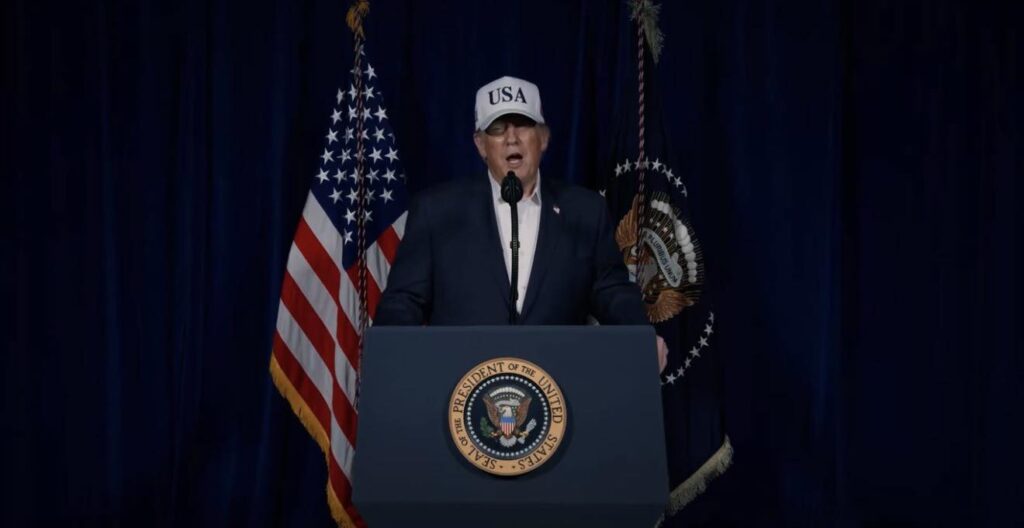
The transatlantic partnership, long considered the foundation of Western security, is facing one of its most serious stress tests in decades. A recent report from The Guardian highlights renewed tensions after former President Donald Trump again raised the possibility of significantly reducing U.S. troop presence in Germany, intensifying long-standing disagreements within NATO.
This is not merely rhetorical pressure. It touches the core of Europe’s defense structure, America’s global military posture, and the long-term cohesion of the alliance itself.
The Core of the Conflict: Defense Spending and Strategic Trust
At the center of the dispute is a persistent question: who carries the financial burden of European security?
Trump’s criticism of NATO allies, particularly Germany, has been consistent for years. His position is built around NATO’s agreed target of defense spending reaching 2% of GDP among member states.
Key points in the argument include:
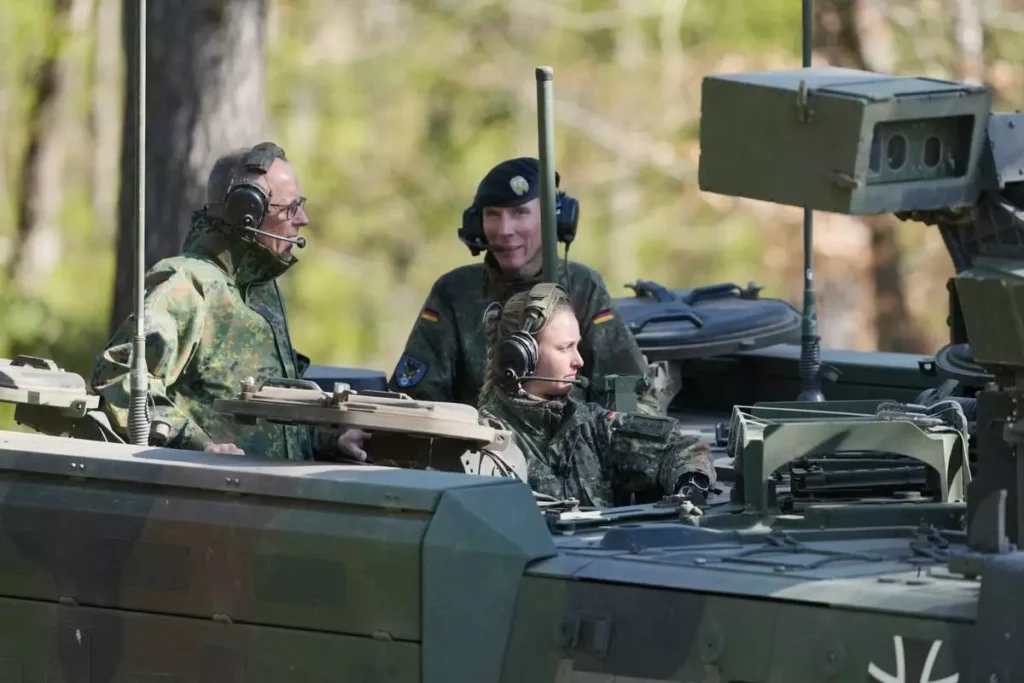
- The United States carries a disproportionate share of NATO’s military burden, with around 35,000 troops stationed in Germany.
- Germany benefits from U.S. protection while allocating more of its budget toward domestic priorities rather than defense.
- The cost of maintaining overseas bases, logistics, and deployments places a long-term strain on the U.S. defense budget.
Critics argue this view overlooks the strategic value of forward-deployed U.S. forces. Germany is not just hosting troops—it serves as a critical operational hub for American military activity across Europe, Africa, and the Middle East.
What’s Really at Stake With a Troop Drawdown
A reduction in U.S. forces in Germany would have consequences that extend far beyond personnel relocation.
Weakening NATO’s Rapid Response Capability
Germany functions as a central logistical and operational hub for NATO and U.S. missions in Europe.
A drawdown could:
- Disrupt supply chains for military equipment and logistics
- Slow response times during crises in Eastern Europe
- Reduce the effectiveness of joint NATO training and coordination
The Ramstein Air Base, in particular, plays a central role in coordinating U.S. air operations across the region.
Strengthening Strategic Opportunities for Russia
A visible reduction of U.S. military presence in Europe would likely be interpreted as a weakening of NATO cohesion.
Potential impacts include:
- Increased confidence in Moscow regarding NATO divisions
- Greater pressure along NATO’s eastern border regions
- Enhanced effectiveness of Russian information and influence campaigns
Even limited troop reductions could be leveraged politically by Russia as evidence of declining Western unity.
Economic Impact on Germany
U.S. military bases in Germany are deeply integrated into local economies.
Effects of withdrawal could include:
- Loss of thousands of civilian support jobs
- Economic downturns in communities surrounding military installations
- Reduced local spending tied to U.S. personnel and operations
These bases are not isolated military zones—they function as long-term economic anchors in several regions.
Why This Dispute Feels Different Now
While NATO has faced disagreements before, this episode is shaped by broader structural tensions.
Key factors include:
- Trade disagreements, particularly surrounding energy dependence on Russia and projects like Nord Stream 2
- Diverging strategic priorities between the U.S. and Germany regarding China
- Increasing pressure within NATO to define clearer burden-sharing expectations
These overlapping issues make compromise more difficult than in previous disputes.
Possible Scenarios Going Forward
Several potential outcomes could emerge depending on political decisions in both Washington and Berlin.
Scenario One: Increased European Defense Spending
Germany and other NATO members increase defense budgets to meet agreed targets.
- U.S. maintains most of its troop presence
- NATO cohesion is preserved
- Underlying political tensions remain unresolved
Scenario Two: Partial U.S. Withdrawal
The U.S. reduces troop levels while maintaining strategic presence.
- Europe accelerates its own defense integration
- NATO shifts toward greater European responsibility
- Transitional risks increase during restructuring
Scenario Three: Major NATO Disruption
A deeper withdrawal leads to structural strain within the alliance.
- Eastern European states seek stronger bilateral ties with the U.S.
- NATO’s unity is questioned publicly and politically
- Global adversaries test alliance cohesion
This scenario represents the highest level of strategic uncertainty.
What This Means for Global Stability
NATO is not only a military alliance—it underpins global economic and political stability. Any weakening of its structure can influence:
- Energy markets
- Trade security routes
- Regional conflict dynamics
- Investor confidence in global markets
Even political signaling around troop levels can affect international risk calculations.
A System Under Pressure
The debate over U.S. forces in Germany reflects a deeper transformation in transatlantic relations. It is no longer just about troop numbers or budgets, but about how responsibility, strategy, and global leadership are shared between allies.
Whether this becomes a temporary political dispute or a long-term structural shift will depend on decisions made in both Washington and European capitals in the near future.