
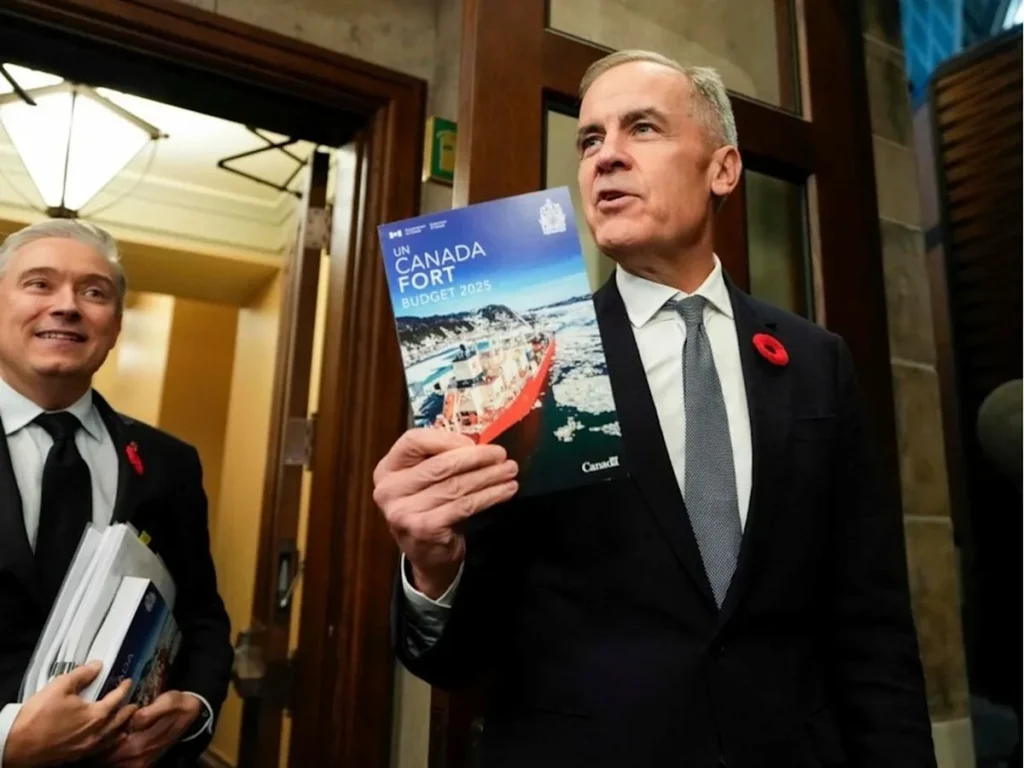
The Looming Storm: Canada’s Federal Deficit and the $100 Billion Warning
A chilling forecast is cutting through the usual political noise, revealing a potential fiscal iceberg on Canada’s economic horizon. According to a stark new analysis, the federal deficit is on a trajectory to surpass a staggering $100 billion annually within the next decade. This isn’t just a statistic for policymakers to debate; it’s a flashing red indicator of a profound shift that could reshape the financial landscape for every Canadian, from seniors on fixed incomes to young families just starting out.
This projection acts as a crucial stress test, forcing a national conversation we can no longer afford to postpone. It’s time to move beyond abstract numbers and understand the real-world forces driving this crisis and, more importantly, what it means for your wallet, your services, and your future.
Decoding the $100 Billion Deficit Projection
The path to a triple-digit billion-dollar deficit is not the result of a single policy misstep, but a convergence of powerful, structural trends. Leading economists point to a perfect storm of demographic shifts and fiscal pressures that, if left unaddressed, will push the annual shortfall into previously unthinkable territory by 2035.
The Core Drivers of Canada’s Fiscal Challenge
1. The Silver Tsunami: Healthcare and Demographic Pressures
Canada’s aging population is the single most powerful force straining the federal budget. As the large baby boomer cohort moves into retirement, two major fiscal pressures intensify:
- Skyrocketing healthcare costs
- Slower growth in the tax base as a proportion of the population retires
This creates a double bind: demand for expensive public services surges while the pool of working-age taxpayers contributing to them grows relatively smaller.
2. The Debt Spiral: Soaring Interest Costs
Years of accumulated debt, compounded by a period of higher interest rates, have created a new and growing budget line: debt servicing. Money spent on interest payments is money not spent on healthcare, infrastructure, or tax relief. As deficits grow, so does the debt, which in turn increases interest costs—a dangerous feedback loop that can consume an ever-larger portion of annual revenues.
3. The Spending Framework: Committed Costs and Program Delivery
Current government spending commitments, from major social programs to defence and infrastructure pledges, are built on existing fiscal frameworks. Without significant economic growth to boost revenues or a rigorous re-evaluation of program efficiency and effectiveness, these commitments are set to outpace the growth of the nation’s income.
Why This Isn’t a “Government Problem”—It’s Your Problem
The implications of a $100 billion deficit extend far beyond the confines of Ottawa’s balance sheets. It translates into tangible consequences for economic stability and individual prosperity.
The Direct Impact on Your Pocketbook and Public Services
Future governments will be cornered by this fiscal reality, likely forced to choose from a menu of difficult options that directly touch your life:
- Higher Taxes: To bridge the gap, increases to personal income tax, consumption taxes like the GST, or new targeted levies could become inevitable, reducing disposable income for households and capital for businesses.
- Reduced or Restructured Services: The alternative to higher taxes is often cuts or “efficiency gains” in public services. This could mean longer wait times for healthcare, larger class sizes, crumbling infrastructure, and scaled-back support for seniors and low-income families.
- Economic Stagnation: Massive public deficits can “crowd out” private investment by keeping interest rates higher than they would be otherwise. This stifles business expansion, innovation, and job creation, leading to a slower-growing, less dynamic economy for everyone.
The Intergenerational Burden: Passing the Bill Forward
Perhaps the most profound injustice of unchecked deficit spending is the burden it places on the future. Today’s deficit is tomorrow’s debt. By consistently spending more than we collect, we are actively choosing to pass the financial and social costs onto our children and grandchildren. They will inherit a country with less fiscal flexibility to handle its own crises, higher taxes to service our debts, and potentially a lower standard of living. This is the antithesis of sustainable, responsible governance.
Charting a Sustainable Course: Is There a Way Out?
The $100 billion figure is a projection, not a predetermined fate. It is a warning siren designed to spur action. Avoiding this future requires deliberate, strategic, and politically courageous choices focused on two pillars: growing the economy and ensuring spending wisdom.
Pillar One: Fueling Growth and Expanding the Pie
A larger, more productive economy generates more tax revenue without raising rates. This is the most painless path to fiscal sustainability. Key strategies must include:
- Boosting Productivity: Canada’s chronic productivity gap is a handbrake on growth. Policies must encourage investment in technology, streamline regulatory barriers, and foster a culture of innovation and scale-up among Canadian businesses.
- Strategic Infrastructure Investment: Smart, targeted investments in ports, digital infrastructure, and energy grids can enhance economic capacity and efficiency for decades, providing a long-term return that outweighs the initial cost.
- Workforce Development for the Future: Aligning education and immigration systems with the needs of a modern, competitive economy ensures we have the skilled workers to drive growth.
Pillar Two: Rigorous Spending Review and Efficiency
Growth alone may not be enough. A thorough, non-partisan examination of government spending is essential to ensure every dollar delivers maximum value. This isn’t necessarily about deep cuts, but about smarter allocation:
- Leveraging technology to improve service delivery and reduce administrative costs.
- Applying evidence-based metrics to evaluate program effectiveness.
- Ensuring that new spending is clearly tied to measurable outcomes and is sustainable within a long-term fiscal framework.
The Bottom Line: A Nation at a Crossroads
The warning of a $100 billion deficit by 2035 is Canada’s critical wake-up call. It moves the conversation from short-term political cycles to long-term national stewardship. Ignoring this trajectory risks consigning future generations to a diminished country with fewer opportunities and heavier burdens.
This moment demands more than alarm; it demands engagement. It requires citizens to be informed, to hold leaders of all stripes accountable for credible fiscal plans, and to participate in a sober discussion about our collective priorities and responsibilities. The choices made—or avoided—in the coming years will determine whether 2035 is remembered as the year of a crippling fiscal crisis or the year Canada courageously secured its prosperous and sustainable future. The power to alter that trajectory lies in the decisions we make today.

