
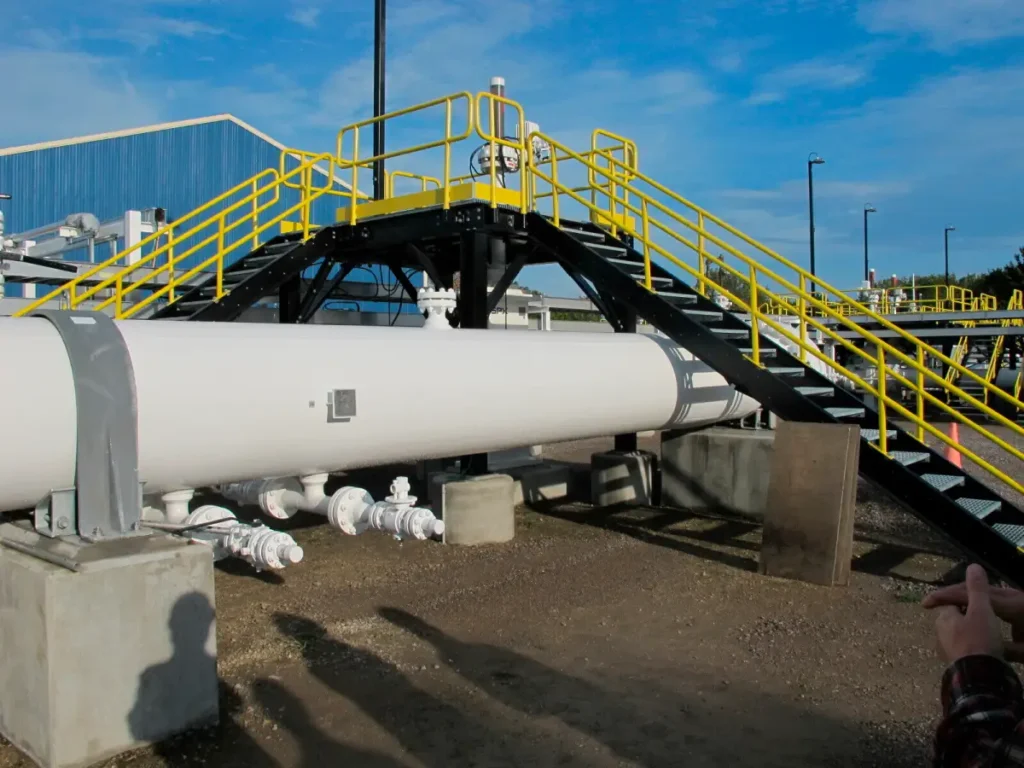
# Trump’s Pipeline Permits: A Strategic Boost for Cross-Border Oil Transport
In a decisive move with far-reaching implications for the continent, recent executive actions have fast-tracked critical energy infrastructure, directly impacting the flow of oil between Canada and the United States. This push to accelerate permits for key pipeline projects, notably those operated by Canadian energy giant Enbridge, marks a significant shift in North American energy policy. The focus is squarely on enhancing cross-border oil transport, reinforcing economic ties, and stirring a familiar debate pitting energy security against environmental imperatives.
This development is not merely about infrastructure; it’s a geopolitical signal underscoring the deep interconnection between U.S. political currents and Canada’s resource-based economy. For an industry often constrained by export bottlenecks, the move promises greater market access and stability. Yet, it simultaneously reignites long-standing legal and ethical battles over land, water, and the future of energy on the continent.
## The Central Artery: Enbridge’s Line 5 in the Spotlight
At the core of this policy shift is the fate of the Enbridge Line 5 pipeline. This 70-year-old infrastructure workhorse transports over half a million barrels of oil and natural gas liquids daily from Western Canada through the U.S. Midwest. Its most contentious segment runs beneath the ecologically sensitive Straits of Mackinac, which connect Lake Michigan and Lake Huron.
For years, Line 5 has been a flashpoint of conflict. The State of Michigan, citing an unacceptable risk of a catastrophic spill in the heart of the world’s largest freshwater system, has moved to revoke the pipeline’s easement and order its shutdown. Enbridge and the Canadian government have argued this action is not only economically disruptive but also oversteps state authority, as the pipeline is a matter of international commerce and federal concern.
The recent permit push represents a powerful federal intervention aimed at resolving this impasse. The strategy involves facilitating the construction of a new, state-of-the-art utility tunnel beneath the straits. This protected tunnel would house the pipeline, theoretically mitigating environmental risk and ensuring its continued operation for decades to come. By fast-tracking permits for this and related infrastructure, the action seeks to bypass state-level opposition and assert a national priority for the project.
### Why Accelerating Pipeline Permits Matters Now
The push to unlock pipeline capacity arrives at a critical juncture for North American energy. Proponents highlight several key motivations behind the move:
* Enhanced Energy Security: In an era of global volatility, securing a reliable and predictable flow of energy from a stable ally like Canada is framed as a national security imperative. It reduces dependence on sources from less stable regions.
* Economic Reinforcement: The integrated North American energy market supports millions of jobs on both sides of the border. Smoother transport keeps refineries operating, supports energy-intensive industries, and maintains a competitive edge.
* Addressing Bottlenecks: Canada’s oil sector has historically suffered from a lack of export capacity, leading to discounted prices for its resources. Improved pipeline access is seen as vital for the economic health of the sector.
* Strategic Alignment: The move aligns with a broader philosophy of achieving “energy dominance” through maximizing domestic and allied production and infrastructure.
## The Two Sides of the Coin: Economic Gain vs. Environmental Risk
As with most major energy projects, this permit push is met with vehement opposition, creating a clear dichotomy of perspectives.
### The Proponents’ Case: Security and Interdependence
Advocates, including industry groups, labor unions, and many policymakers, frame the decision as a pragmatic win for both nations. They argue that modern pipelines are the safest and most efficient method for transporting the large volumes of energy that economies currently require. The focus is on:
* Job Creation: Construction of new infrastructure like the Great Lakes Tunnel project promises thousands of skilled labor jobs.
* Consumer Stability: Reliable supply chains help stabilize fuel and heating costs for millions of households and businesses in the Midwest and Ontario.
* International Partnership: It reaffirms the robust trade relationship between the U.S. and Canada, treating energy as a shared asset.
### The Opposition’s Concerns: Sovereignty and Sustainability
Environmental organizations, Indigenous communities along the route, and the Michigan state government present a starkly different view. Their opposition is rooted in profound environmental and legal concerns:
* Unacceptable Risk: The threat of a spill in the Great Lakes, which hold 21% of the world’s surface freshwater, is considered an existential risk to ecosystems, drinking water, and tourism. Opponents believe no engineering safeguard can fully eliminate this danger.
* Climate Policy Inconsistency: Critics argue that investing in long-term fossil fuel infrastructure contradicts international climate commitments and slows the essential transition to renewable energy.
* States’ Rights vs. Federal Overreach: Michigan officials view the federal permit push as an infringement on their authority to protect their natural resources and citizens from potential harm.
## The Ripple Effects: Markets, Politics, and Legal Frontiers
The implications of fast-tracking these permits extend far beyond the immediate pipeline routes.
For Canada’s Energy Sector: The move is a double-edged sword. While it offers a potential lifeline for oil exports and underscores the importance of the U.S. market, it also highlights the sector’s persistent vulnerability to American political shifts. It reinforces the urgent need for Canada to diversify its export options.
For U.S. Politics: The action solidifies energy infrastructure as a hyper-partisan issue. It ensures that projects like Line 5 will remain pawns in the broader political battle, with future administrations likely to reverse or reinstate policies based on the prevailing ideology.
The Inevitable Legal Onslaught: This is perhaps the most certain outcome. The permit fast-tracking is not a final victory but the opening of a new chapter in legal warfare. Lawsuits challenging the federal authority, the environmental reviews, and the permitting process itself are guaranteed to wind through the courts for years.
### Looking Ahead: An Uncertain Path for North American Energy
The struggle over Enbridge’s pipelines is a microcosm of the global energy transition. It encapsulates the intense conflict between present-day economic needs and long-term environmental sustainability. The permit push may clear an administrative hurdle, but it does not resolve the underlying societal debate.
The future of these projects will be determined not just in government offices, but in courtrooms, in public protests, and at the ballot box. It will depend on evolving energy technologies, market forces, and the growing pressure for climate action.
Ultimately, the fast-tracking of pipeline permits is more than an industry story. It is a defining narrative about how two neighboring nations navigate shared resources, conflicting values, and the complex path toward a secure energy future. The decisions made today will resonate through the North American economy and its environment for generations to come. The flow of oil is set to continue, but the currents of controversy around it show no sign of abating.

